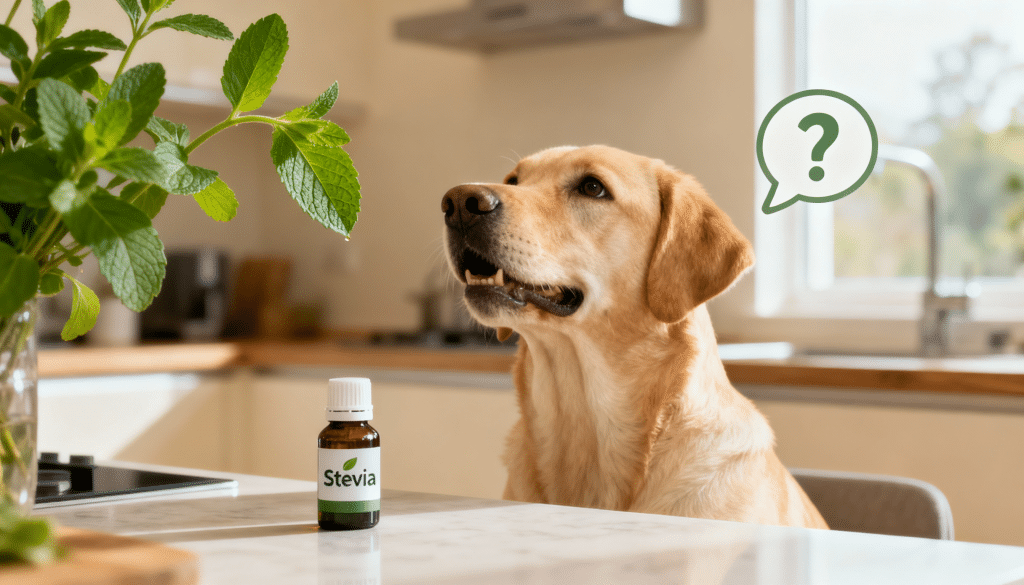
Caught your pup licking your stevia-sweetened coffee? You’re not alone.
As sugar-free products flood our kitchens, more dog owners are asking, can dogs have stevia without getting sick?
While some sweeteners can kill your dog within hours, stevia sits in a different category. Let’s cut through the confusion and get you real answers, because your dog’s health matters.
What is Stevia?
Stevia is a natural sweetener extracted from the leaves of the Stevia rebaudiana plant, native to South America.
It’s intensely sweet, up to 300 times sweeter than regular sugar, but it contains zero calories and doesn’t raise blood sugar levels.
That’s why it’s become a go-to sugar substitute for people watching their weight or managing diabetes. You’ll find it in everything from diet sodas and protein shakes to baked goods and even some pet products.
But just because it’s natural and plant-based doesn’t automatically make it necessary or beneficial for your dog.
Can Dogs Eat Stevia? Breaking Down the Research
The straight answer is yes, but there’s no good reason for them to. Here’s what you need to know:
1. Stevia won’t kill your dog.
Unlike xylitol, it doesn’t cause seizures or liver failure. It’s non-toxic to dogs.
If your pup steals a lick of your stevia-sweetened coffee, you can relax. No emergency vet trip needed.
2. “Non-toxic” doesn’t mean “beneficial.”
Your dog’s body wasn’t designed to process sweeteners.
They don’t have the taste receptors that make humans crave sugar. Evolution didn’t prepare them for stevia-laden treats.
3. There’s zero upside.
No nutritional value. No health benefits. Just unnecessary ingredients in their diet that serve no purpose.
4. The real danger is what comes with stevia.
Many “stevia” products contain blends with xylitol, chocolate, or other toxins hidden in the ingredients.
5. Natural alternatives are better.
Feed your dog real food: meat, vegetables, and dog-safe fruits. Their tail wags just as hard for a plain carrot as it does for anything artificially sweetened.
So, can dogs have stevia? Technically yes. Should you give it to them? Almost never. Keep their diet simple, natural, and sugar-free.
What to do If Your Dog Ate Stevia?

Don’t panic. Unlike xylitol emergencies, situations in which dogs can eat stevia rarely require a vet visit. But follow these steps carefully.
Step 1: Secure the Product
Grab the package immediately, keep your dog from eating more, and bring it with you if you need to visit the vet
Step 2: Read the Ingredient Label
Check for xylitol (also called birch sugar, wood sugar, or birch bark extract), chocolate, caffeine, or other toxins. If xylitol is listed, call your vet NOW, as this is an emergency
Step 3: Assess the Amount
Determine how much your dog ate (a lick or the whole container), note their weight, and record the time of ingestion
Step 4: Monitor for Symptoms (Next 12-24 Hours)
Watch for loose stools or temporary appetite loss; these are normal reactions. But call your vet immediately if you see persistent vomiting, severe diarrhea, lethargy, weakness, tremors, or collapse.
The Xylitol Connection: Why Confusion Exists
Here’s where things get serious. Many pet owners confuse stevia with xylitol, a mistake that can be deadly.
Both are sugar substitutes found in sugar-free products, but that’s where the similarities end. Stevia is generally safe for dogs. Xylitol is lethal.
| Factor | Stevia | Xylitol |
|---|---|---|
| Origin | Plant-based (Stevia rebaudiana leaves) | Sugar alcohol (from birch bark or corn) |
| Safety for Dogs | Generally safe in small amounts | DEADLY even in tiny amounts |
| Effects | May cause mild diarrhea if overeaten | Causes hypoglycemia, seizures, and liver failure |
| Toxic Dose | No established toxic dose | As little as 0.1 g/kg is dangerous |
| Other Names | Sweetleaf, Sugar leaf, Reb-A | Birch sugar, Wood sugar, Birch bark extract |
| Common Products | Diet drinks, yogurt, and some dog treats | Sugar-free gum, peanut butter, baked goods |
| Emergency Level | Monitor for digestive upset | Call the vet immediately, life-threatening |
What happens inside your dog’s body:
- Xylitol causes a massive insulin spike within 10-60 minutes
- Blood sugar plummets dangerously low (hypoglycemia)
- Seizures, collapse, and coma can follow
- Liver failure develops at higher doses
Xylitol goes by other names too birch sugar, wood sugar, and birch bark extract. Always read labels.
Risks and Side Effects of Stevia in Dogs
While stevia won’t kill your dog like xylitol, it’s not completely risk-free. Here’s what can go wrong:
Digestive Upset
The most common issue when dogs consume stevia is osmotic diarrhea—stevia pulls water into the colon, causing loose, watery stools, stomach gurgling, gas, and bloating.
Dehydration Concerns
Persistent diarrhea causes rapid fluid loss, especially in small breeds and puppies. Watch for dry gums, lethargy, and reduced urination as warning signs.
Appetite Changes
Some dogs temporarily lose interest in food due to stomach discomfort. This usually resolves within 24 hours, but it can be concerning for picky eaters.
Allergic Reactions (Rare)
Though uncommon, sensitive dogs may develop itching, skin redness, hives, or facial swelling. Stop stevia immediately if these symptoms appear.
Hidden Ingredient Danger
The real risk isn’t always stevia itself; many products blend it with xylitol or other toxins. “Stevia-sweetened” labels can be misleading, so always read the complete ingredient list.
No Established Safe Dosage
What’s fine for a Great Dane might wreck a Chihuahua. Individual tolerance varies wildly, and there’s no veterinary guideline for “safe amounts.”
The takeaway? Even “safe” substances cause problems when unnecessary. Your dog gains nothing from stevia, but it may face potential digestive issues and hidden dangers.
Artificial Sweeteners & Pet Health
Stevia isn’t alone. The sugar-free boom filled our homes with dozens of sweeteners, and your dog can’t tell which ones are dangerous.
Sweeteners That Are Generally Safe for Dogs
These won’t kill your dog but may cause stomach upset:
- Common safe options: Erythritol, Aspartame, Sucralose (Splenda), Monk Fruit, Saccharin (Sweet’N Low), and Sorbitol
- The catch: All are non-toxic but provide zero nutritional value to your dog
- Side effects: Large amounts can trigger diarrhea or digestive discomfort
Sweeteners That Should Never Be Given
Xylitol is lethal to dogs.
- Found in: Sugar-free gum, peanut butter, baked goods, medications, and toothpaste.
- Why it kills: Triggers rapid insulin release, causing severe hypoglycemia within 30-60 minutes. Higher doses destroy the liver.
- Also called: Birch sugar, wood sugar, birch bark extract.
Zero tolerance, no safe amount exists.
What Veterinarians Say About Sweeteners
The veterinary consensus is clear: dogs don’t need sweeteners.
- Dogs have fewer taste receptors for sweetness
- Even safe options cause stomach problems
- Product formulations change without warning, increasing xylitol risks
Recommendation: Keep all artificial sweeteners out of reach of your dog. Stick to whole foods, plain proteins, and dog-safe vegetables.
How Much Stevia is Safe for Dogs?
There’s no official safe dosage for stevia in dogs because veterinarians don’t recommend giving it to them at all.
Unlike medications with precise dosing guidelines, stevia has never been studied enough to establish “safe amounts” for canine consumption.
What might cause mild stomach upset in a large breed could trigger more severe diarrhea in a toy breed. Size matters, but so does individual sensitivity.
If your dog accidentally consumes a small amount, like licking your stevia-sweetened drink, they’ll likely be fine.
But intentionally adding stevia to their diet? That’s unnecessary risk with zero reward.
When in doubt, less is always better, and none is best.
The Final Takeaway
Stevia is technically safe for dogs in small amounts, but there’s no good reason for them to have it. Your pup gains nothing from sweeteners.
The relationship between stevia and dogs can be safe, but it’s unnecessary.
Stick to natural, dog-safe foods. Your dog will be healthier, and you’ll have one less thing to worry about.