
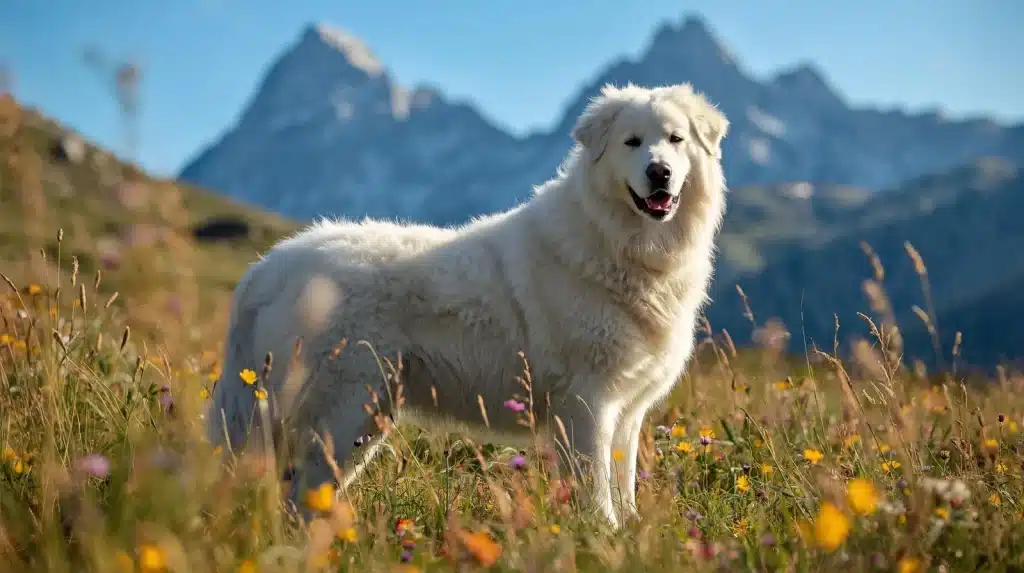
Great Pyrenees are big, fluffy dogs, but their behavior might confuse you.
If you’ve ever wondered why your Pyr barks at night or ignores commands, we are here to answer those questions for you.
This blog breaks down their personality traits, instincts, and quirks so you can understand what makes them tick.
Great Pyrenees Size and Physical Characteristics
The Great Pyrenees is a striking breed known for its impressive size and strong build.
Their physical characteristics are perfectly adapted to protect them in cold mountain climates and give them a commanding presence.
| Attribute | Male Size | Female Size | Notes |
|---|---|---|---|
| Height (inches) | 27 – 32 | 25 – 29 | Males are generally larger |
| Weight (pounds) | 85 – 115 | 80 – 100 | Individual variation exists |
| Coat | Thick, double-layer | Thick, double-layer | Requires regular grooming |
| Common Colors | White, cream, gray | White, cream, gray | Some may have markings |
| Growth Duration | Up to 2 years | Up to 2 years | Full size is reached by about 2 years |
Great Pyrenees Behavior and Temperament
Great Pyrenees behavior is shaped by their history as flock guardians. They are calm, gentle, and patient, which makes them excellent family dogs.
This breed is independent and sometimes stubborn, requiring patience, consistency, and early and easy training.
While independent, they are affectionate with family and children but reserved around strangers.
Their vocal nature is part of their guardian heritage.
They often bark to alert to unusual activity, making them excellent watchdogs, but may surprise those unprepared for their protective streak.
By establishing clear boundaries and using positive reinforcement, you can effectively manage your dogs’ independent nature, ensuring they grow into loyal and well-behaved companions.
Are Great Pyrenees Good Family Dogs?
Yes, but with a few things to keep in mind.
Great Pyrenees are gentle, patient, and naturally protective. They watch over the people they love, especially kids.
That calm, steady presence makes them a great fit for families.
They are big dogs, though. So early training matters. Teach them boundaries young, and they’ll be well-mannered around children and guests alike. With strangers, they take their time heating up. That’s just their nature.
But with their own family? They’re devoted, affectionate, and surprisingly gentle for their size
Grooming Needs of the Great Pyrenees
Maintaining their thick double coat is vital to prevent mats, reduce shedding, and keep your dog comfortable and healthy throughout the year.
- Weekly brushing removes loose fur and prevents tangles before they become mats.
- Seasonal shedding demands more frequent grooming to manage increased hair loss.
- Regularly check the skin for signs of irritation, infections, or parasites.
- Bathe as needed, ensuring the coat is completely dry to avoid dampness-related skin issues.
- Trim nails regularly to maintain proper foot health and prevent discomfort.
- Incorporate dental care into the routine to promote overall health and prevent oral problems.
Regular grooming maintains and supports well-being, especially in hotter months when thick coats trap heat.
Understanding the Intelligence and Training of Great Pyrenees
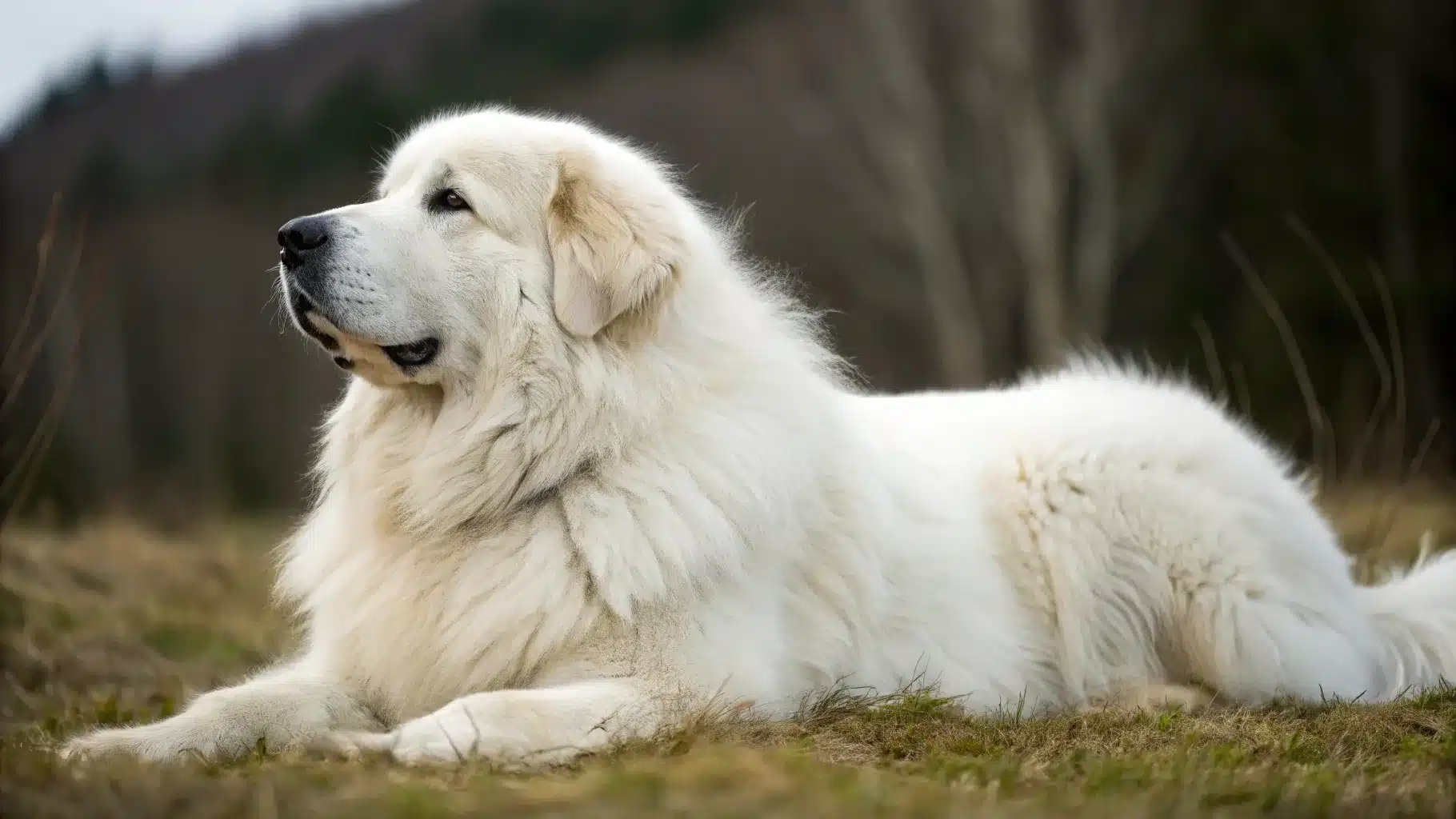
Great Pyrenees are intelligent, independent dogs with strong problem-solving skills, developed from their history as flock guardians.
Unlike breeds eager to please, they show their smarts through independence and decision-making. They may seem stubborn during training, but they are wired to think for themselves.
Early socialization and gentle training are crucial for managing their protective instincts and fostering cooperation.
They learn quickly from their environment and other dogs, but may not always follow traditional obedience rules.
You can expect a smart, strong-willed companion that is patient and consistent with unwavering loyalty.
Health Concerns and Preventive Care
The Great Pyrenees, like many large breeds, is susceptible to several health issues that require careful monitoring and proactive care to ensure a long and healthy life.
- Hip dysplasia and joint problems are common, leading to arthritis and mobility challenges.
- Bloat is a life-threatening emergency involving stomach twisting, requiring immediate veterinary attention.
- Some cancers and genetic disorders, including chondrodysplasia (a form of dwarfism), affect this breed.
- Early veterinary screenings, including genetic testing, help detect problems before they worsen.
- Responsible breeding and vet visits are key to reducing health risks and managing conditions.
- Eye conditions such as entropion, in which the eyelid rolls inward, can cause irritation and require surgical correction.
Staying informed and working with a vet helps provide preventive care, ensuring a full, happy life for their dogs.
Is a Great Pyrenees Right for You?
Choosing a Great Pyrenees means comprehending their unique needs to ensure a happy relationship. They need large homes with spacious yards to roam comfortably.
Their thick double coat requires high-maintenance grooming, with weekly brushing to prevent mats and shedding.
This breed suits experienced owners familiar with strong-willed dogs, as they can be independent and stubborn.
Great Pyrenees are gentle and devoted companions, especially with early socialization. Known as vocal watchdogs, they can be loud when alerting to strangers.
With the right space and care, they thrive as loyal and protective pets.
Pros and Cons of Great Pyrenees Behavior
Every dog breed has its strengths and its challenges. The Great Pyrenees is no different. Here’s a quick look:
| Pros | Cons |
|---|---|
| Naturally protective of family | Barks a lot, especially at night |
| Gentle and patient with kids | Strong independent streak |
| Calm and steady indoors | Needs a lot of space |
| Loyal and devoted to their people | Slow to warm up to strangers |
| Great with other animals | Heavy shedding year-round |
| Low energy inside the home | Needs consistent, firm training |
| Rarely aggressive without reason | Can be hard to recall off-leash |
Wrapping it Up
So, is a Great Pyrenees the right dog for you?
If you have space, patience, and time for consistent training and grooming, honestly, yes.
These dogs are large, smart, and protective. But more than that, they’re calm and deeply loyal.
Give them the loving guidance, and in return, they’ll give you protection, affection, and companionship.
Frequently Asked Questions (FAQ’s)
1. How Much Space Does a Great Pyrenees Need?
They need large, secure yards to roam, reflecting their mountain guardian heritage with room to patrol.
2. Are Great Pyrenees Good Therapy Dogs?
Yes, their gentle, nurturing, and strong bond with owners makes them excellent therapy and emotional aid dogs.
3. How Much Do Great Pyrenees Typically Live?
They have an average lifespan of 10-12 years, with proper care and health monitoring extending their longevity.
4. Are Great Pyrenees Good with Other Pets?
Generally Yes, Especially if Socialized Early. Their Protective Instincts May Prompt Caution with Unfamiliar Animals.
5. Do Great Pyrenees Require a Lot of Exercise?
They need moderate daily exercise to stay healthy, but aren’t overly energetic, enjoying walks and open spaces.


