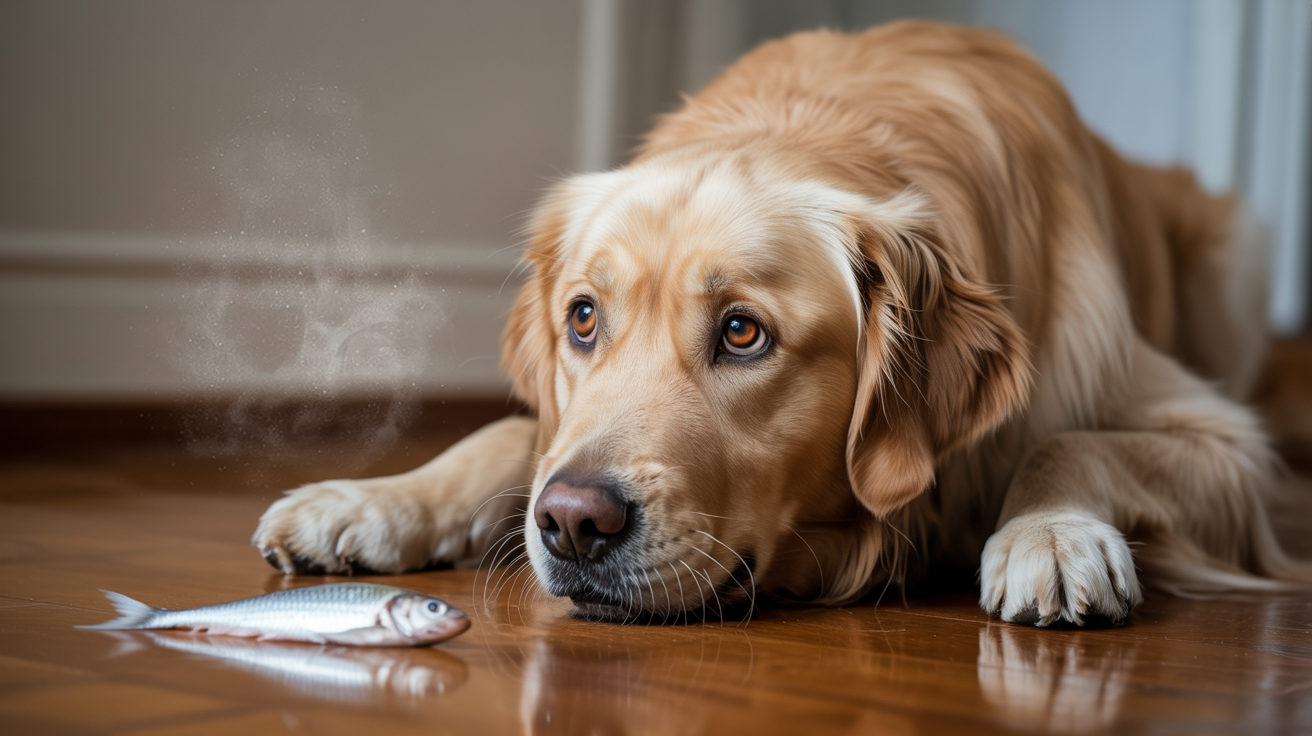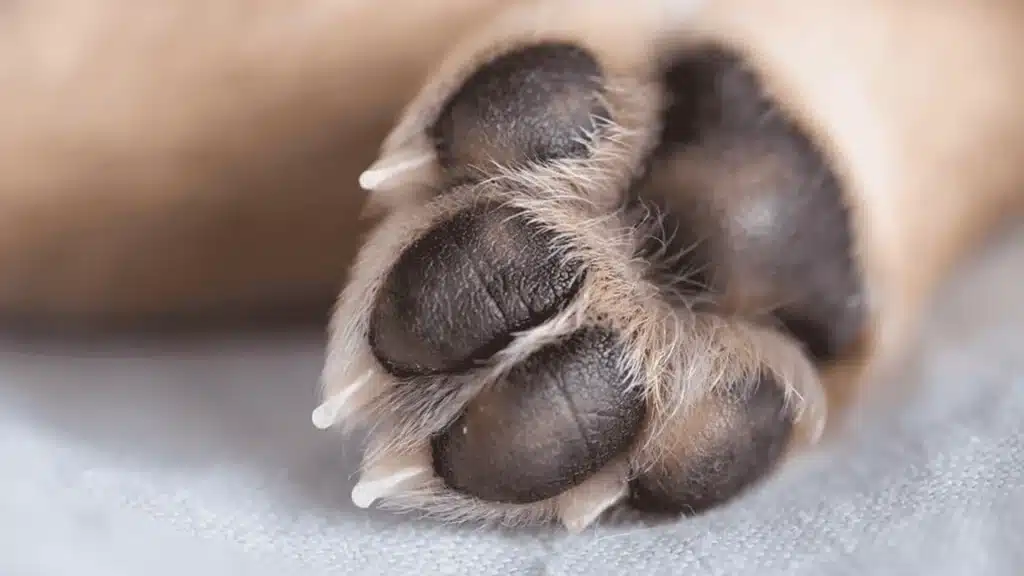
Your dog keeps licking, chewing, and limping around the house. It’s hard to watch.
Those red paws can mean anything from allergies to infections, and ignoring the signs can make things worse fast.
Once you know what to look for, helping your dog feels a whole lot less overwhelming.
This blog breaks down the most common reasons behind red dog paws and what you can actually do about them.
Why are my Dog’s Paws Red?
Red paws signal inflammation, your dog’s body responding to irritation, infection, or injury.
It’s a symptom pointing to an underlying problem, not a disease itself.
Several factors can trigger red paws, and they sometimes overlap.
A dog with allergies might lick excessively, creating the perfect environment for a yeast infection.
Understanding the root cause is crucial because treatment varies; what works for allergies won’t fix a bacterial infection.
Let’s break down what’s causing those red paws.
Dogs Paws are Red: Common Causes
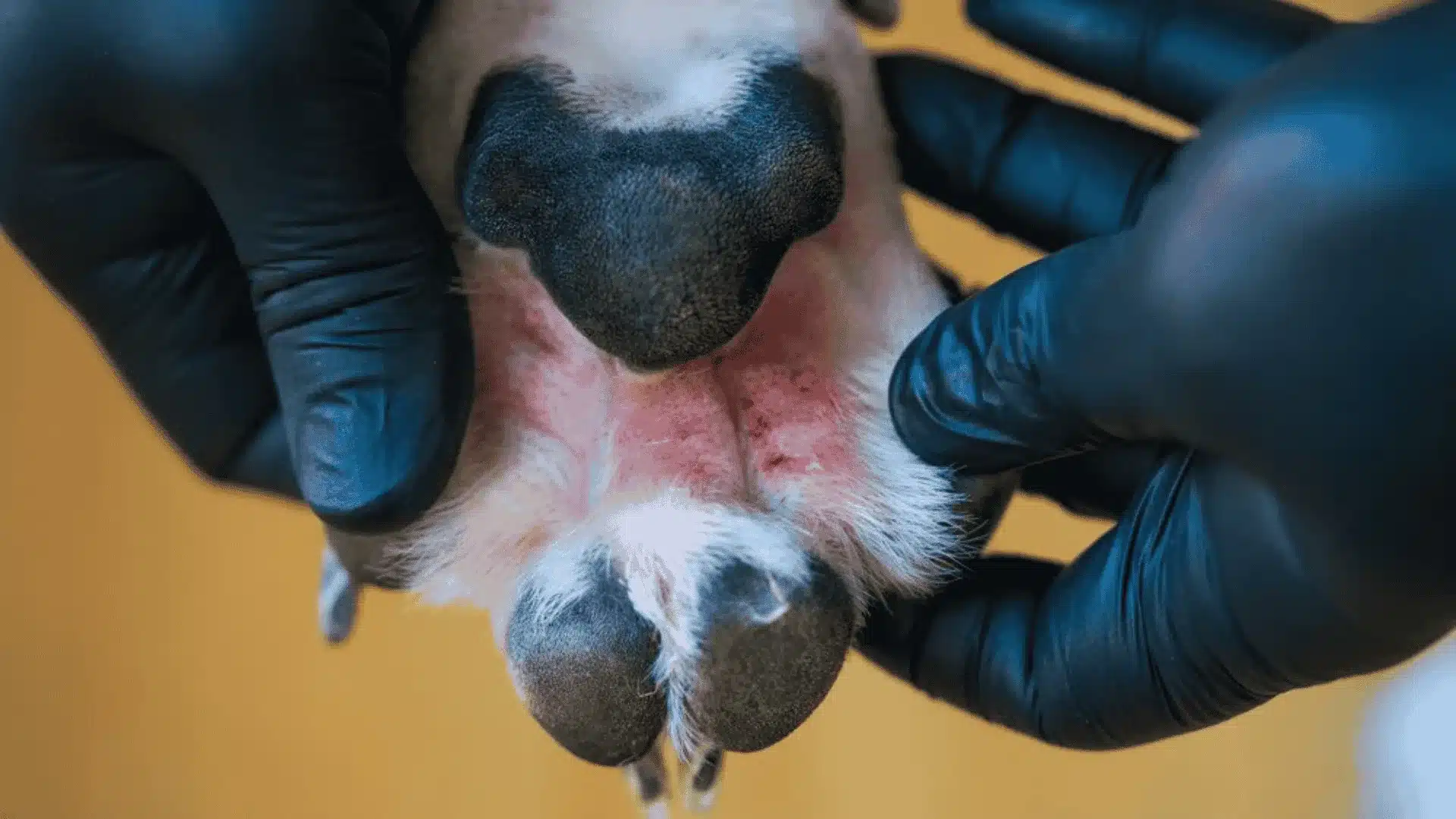
Red paws aren’t a disease; they’re a symptom of inflammation called pododermatitis.
Multiple culprits can cause it, and sometimes they team up.
1. Allergies
Allergies are the top cause. Your dog can react to pollen, grass, dust mites, foods, or cleaning products.
Environmental allergies cause seasonal flare-ups, while food and contact allergies create ongoing symptoms.
2. Yeast Infections
If your dog’s paws smell like corn chips, it’s likely yeast.
Moisture between the toes creates the perfect breeding ground. You’ll see redness, brownish discharge, and greasy or crusty patches.
3. Bacterial Infections
Bacteria invade through cuts or from excessive licking. Look for discharge, crusting, heat, and limping. These infections escalate quickly if untreated.
4. Contact Dermatitis and Burns
Hot pavement burns paw pads in summer. Ice melt and road salts irritate the skin in winter.
Lawn fertilizers and household cleaners cause reactions, too.
If all four paws are affected after a walk, think environmental exposure.
5. Parasites
Mites cause inflammation and intense itching. Fleas can trigger allergic reactions from a single bite.
The problem is, mites are microscopic, and your vet needs special equipment to spot them.
6. Foreign Objects and Injuries
Grass awns, thorns, splinters, or glass can embed between toes, causing sudden pain and obsessive licking.
Cuts and scrapes get infected when they pick up dirt.
7. Other Causes
Interdigital cysts are painful bumps between toes.
Autoimmune conditions and hormonal imbalances weaken the immune system. Anxiety leads to compulsive licking that creates physical problems.
Recognizing the Symptoms
Red paws rarely show up alone; they bring other symptoms that help you piece together what’s happening.
Visual Signs
- Redness and inflammation vary in pattern; they may be limited to the pads, toes, or around the nails.
- Swelling makes the paws look puffy, especially between the toes.
- Discharge ranges from clear fluid to yellow pus or brown, greasy material (yeast).
- Cracked or peeling pads indicate burns, chemical damage, or severe dryness.
Behavioral Signs
- Excessive licking and chewing are the biggest problems.
- Limping or favoring one paw suggests pain or a foreign object.
- Reluctance to walk means it hurts too much.
- Biting between the toes targets the most irritated spots.
If your dog spends 10+ minutes going at their paws, something’s wrong, keep noticing the pattern.
Other Warning Signs
- An odor, yeasty, corn chip, suggests infection
- Heat from the paws indicates active inflammation
- Other symptoms, like red ears or belly rashes, point to allergies affecting multiple body areas
Pododermatitis vs. Other Paw Conditions
It can be a bit confusing when your pup’s feet start acting up.
Here’s a quick manual to distinguish red paws from other foot issues.
| Condition | Main Signs | Common Cause |
| Pododermatitis | Redness, swelling, sores | Allergies or bacteria |
| Interdigital Cysts | Big bumps between toes | Deep infections |
| Paw Pad Hyperkeratosis | Crusty, hairy-looking skin | Too much keratin |
| Contact Dermatitis | Rash on the bottom of the feet | Lawn chemicals or salt |
| Fungal Infection | Rusty color, corn chi smell | Yeast overgrowth |
Dog Paws Red Between Toes Home Remedies
Once you know the why dogs’ paws are red, you can start treating them.
For mild cases, home remedies offer real relief, especially for redness between the toes.
Epsom salt draws out toxins and reduces swelling.
Dissolve 1 cup in a gallon of hot water. Soak your dog’s paw for 5-10 minutes. Do this twice daily.
Mix equal parts apple cider vinegar and water (50/50).
It fights yeast and bacteria naturally. Dip your dog’s paws in a shallow container or use a spray bottle. Avoid broken skin; it’ll sting.
Coconut oil moisturizes dry, cracked paws and has antibacterial properties. Gently massage a small amount between the toes after cleaning.
Bonus: It’s safe if your dog licks it off.
Grind plain, unflavored oatmeal into a fine powder. Mix it with warm water to create a paste or soak solution. This soothes irritated skin and reduces itching.
Let your dog’s paws soak for 10 minutes, then rinse and dry thoroughly.
Cold Compresses
For acute swelling or burns, wrap ice in a towel and apply it to the affected paw for 5-10 minutes.
This reduces inflammation quickly and numbs pain.
Pet-safe antibacterial or antifungal wipes clean between the toes after walks.
Look for chlorhexidine or miconazole ingredients. Wipe gently and make sure the area dries completely.
How Long Does it Take for Pododermatitis to Heal?
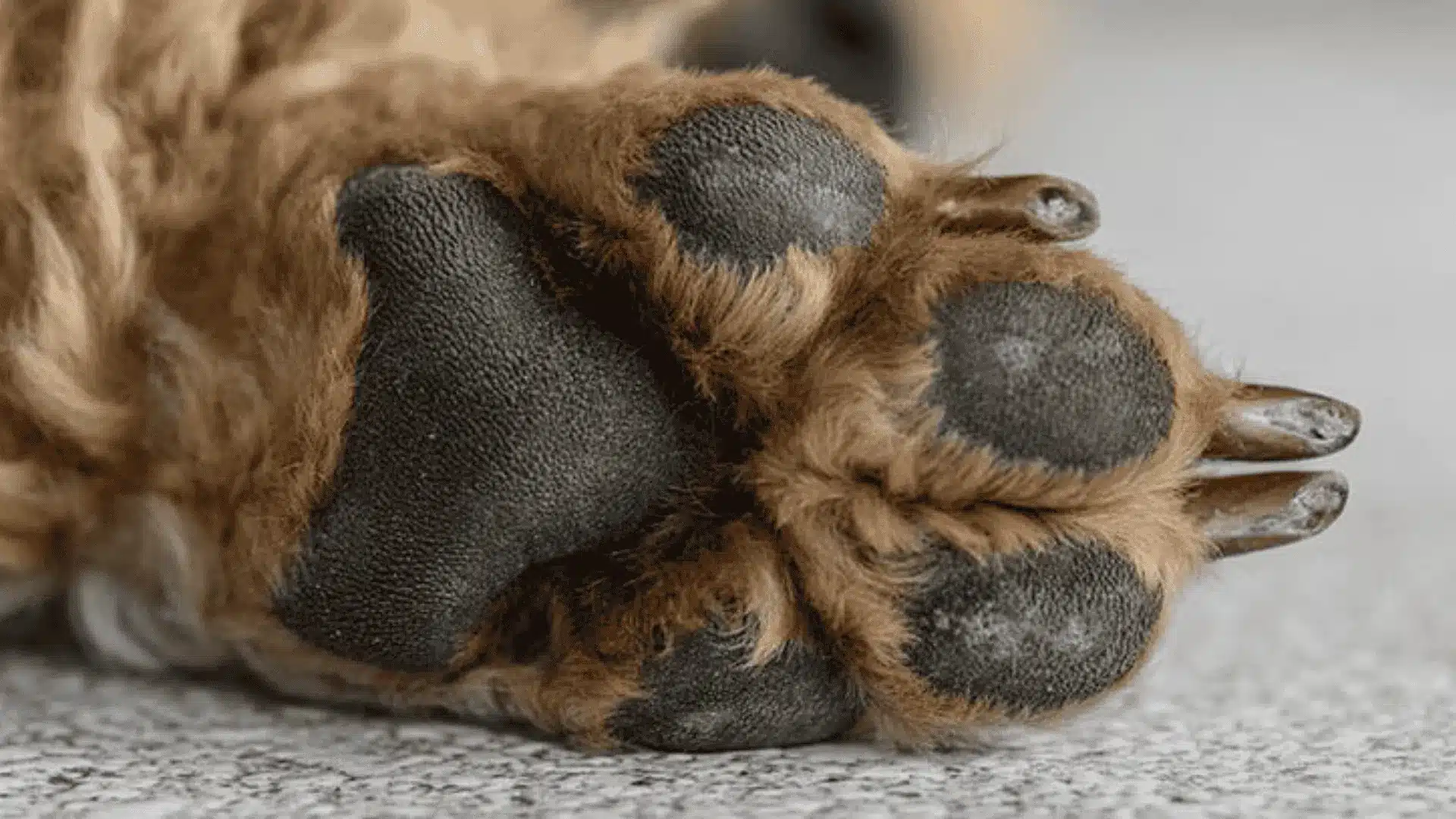
Alt text: Close-up of a dog’s paw, highlighting the texture and details, relevant to pododermatitis healing time
Healing isn’t always a race, especially when it comes to paw issues.
For most dogs, you’ll start seeing a real difference in about one or two weeks if you stay on top of the treatment.
If the infection is deep or caused by stubborn allergies, it might take a full month or more to clear up completely.
Patience is key here because you have to stop the itch-lick cycle.
If your pup keeps licking, it adds more germs and moisture, which slows everything down. You might need a cone or some little booties to keep things dry.
Just stick to the plan your vet gave you, and those paws should be back to normal before you know it
When to See the Vet
Home remedies have their place, but some situations need professional eyes.
If your dog shows severe pain, bleeding, discharge, or symptoms lasting more than 2-3 days, see a vet right away.
The vet will examine all four paws and may run tests to find the cause.
Treatment varies, from antibiotics to allergy medications, depending on the diagnosis.
Always finish the full treatment plan, as most cases need 2-4 weeks to heal.
Follow-up visits matter too. And if things aren’t improving after a week, call your vet back.
If your dog is still licking their paws after 48 hours of home treatment, it usually means there’s an underlying allergy or infection that needs veterinary care.
Red Dog Paws Prevention Strategies
Preventing red paws is easier than treating them.
A few simple habits can keep your dog’s paws healthy and catch problems before they escalate.
- Inspect paws after every walk for cuts, redness, or foreign objects.
- Clean with pet-safe wipes or water, then dry between the toes to prevent yeast and bacterial growth.
- Test the pavement with your hand before walking.
- Use boots in extreme weather and rinse paws after exposure to lawn chemicals or de-icers.
- Feed omega-3 fatty acids through fish oil or salmon-based foods to reduce inflammation.
- If your dog has food allergies, work with your vet on an elimination diet.
- Check paws weekly for subtle changes and watch for increased licking.
- Keep a symptom log if issues recur to identify patterns and triggers.
- Keep paw hair trimmed short to prevent burrs, mud, and moisture from getting trapped between the toes.
- Use pet-safe wax or booties during the winter to protect skin from harsh salt and freezing ice.
Putting it all Together
Red paws don’t have to mean endless vet visits.
You know the common causes and have proven home remedies for mild red paws and toes.
The key is catching issues early.
Daily paw checks and quick action at the first sign of redness stop small problems from becoming big ones. When home care isn’t enough, you know when to call the vet.
Keeping them healthy means keeping your dog happy.
Frequently Asked Questions (FAQ’s)
1. Can Dogs Have Benadryl for Itchy Paws?
Benadryl can help, but always check with your vet for proper dosing.
2. What Human Medicine Can Dogs Have for Itching?
Aside from Benadryl, some vets suggest plain Claritin or Zyrtec for relief.
3. Does Pumpkin Help Dogs with Itchy Paws?
Pumpkin is great for digestion, though it doesn’t directly stop paw itching.
4. What Foods Cause Dogs to Itch?
Common culprits include beef, dairy, wheat, and sometimes chicken or soy proteins.