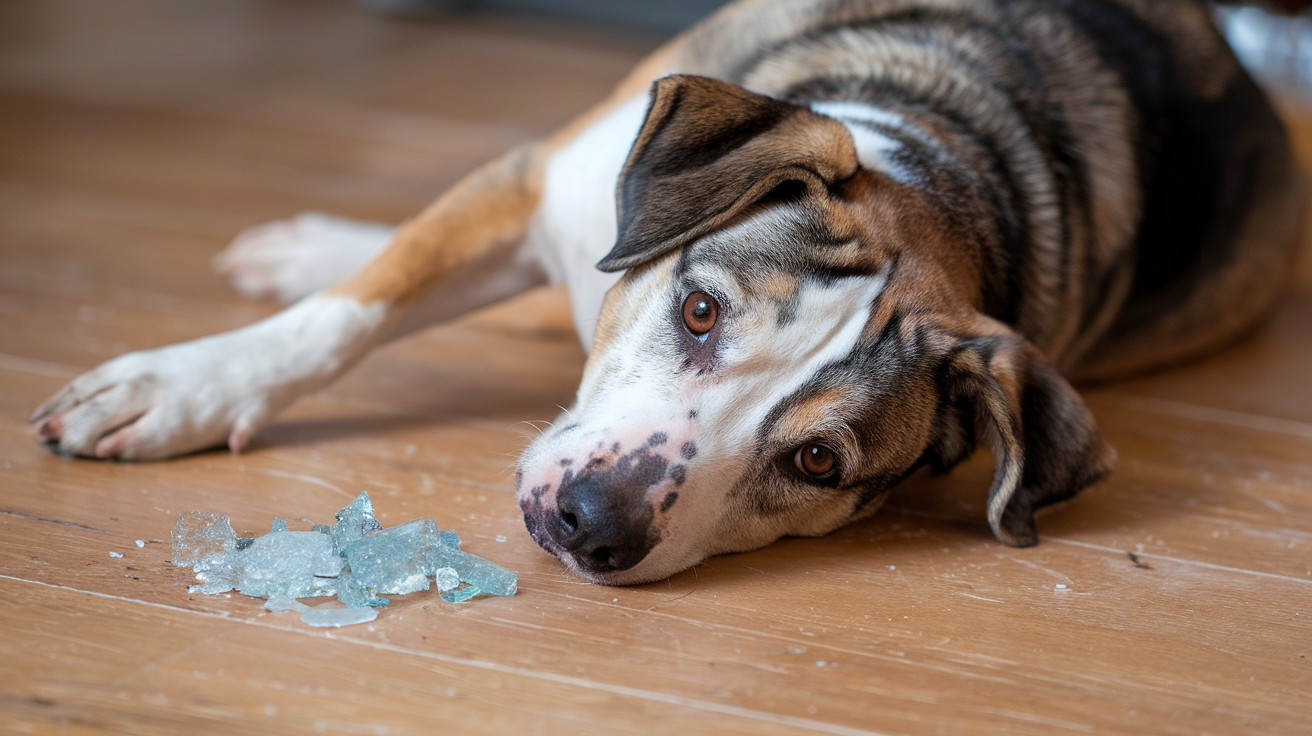
You’re eating cereal, your dog gives you those big eyes, and you wonder, can you share some milk?
This blog breaks down exactly what milk does to a dog’s body, it covers which dogs can tolerate it and which ones can’t.
By the end, every pet owner will know exactly where they stand on this
Is Milk Good for Dogs?
Most adult dogs don’t digest milk well, though some can handle small amounts without problems.
As dogs age, many lose the enzyme lactase needed to break down lactose, leading to digestive upset such as diarrhea and stomach discomfort.
Milk contains fats and sugars that can lead to obesity.
While milk provides nutrients such as calcium, protein, and vitamins that support bone health, the risks outweigh the benefits for adult dogs.
Puppies depend on their mother’s milk to develop, but their ability to process milk decreases with age.
Some adult dogs may benefit from small amounts of milk or lactose-free alternatives if tolerated. But, weigh these benefits against the risks of digestive issues and weight gain.
Types of Milk: What’s Safe and What’s Not
Not all kinds of milk are safe for dogs. Some cause stomach problems quickly, while others may be tolerated in small amounts if given carefully.
1. Regular Cow’s Milk
Cow milk is not recommended because it is high in lactose, which often causes gas, diarrhea, and stomach upset.
Even small sips hurt; it’s best to avoid them.
2. Goat’s Milk
Easier to digest than cow’s milk due to lower lactose levels.
Still, sensitive dogs may react poorly. Only safe in small, occasional amounts if tolerated.
3. Non-Dairy Plant Milks (soy, almond, oat, etc.)
Generally not recommended for dogs due to a lack of essential nutrients and possible allergens.
4. Lactose-Free Milk
Better tolerated since lactose is removed. Safer than cow’s milk but still only suitable in small amounts, not as a regular treat.
5. Cheese and Yogurt
They contain less lactose due to fermentation. Plain, unsweetened yogurt or cheese can be safe in moderation.
Avoid flavored dairy, especially with artificial sweeteners like xylitol.
Can Dogs Have Other Dairy Products?
Not all dairy or household products are created equal; some are fine in small amounts, while others can really upset a dog’s stomach.
| Dairy Product | Safe for Dogs? | Reason |
|---|---|---|
| Plain yogurt | Yes (in small amounts) | Lower in lactose, contains probiotics |
| Hard cheese | Yes (occasionally) | Low lactose, high in protein |
| Cottage cheese | Yes (in moderation) | Mild and easy to digest |
| Whole milk | Limited | High lactose may cause an upset stomach |
| Ice cream | No | High sugar, additives harmful to dogs |
| Flavoured yogurt | No | Contains artificial sweeteners like xylitol |
| Butter/cream | No | High fat content, hard to digest |
Are Dogs Commonly Lactose Intolerant?
Yes, and it’s more common than you might think.
Most adult dogs produce very little lactase, the enzyme needed to break down lactose in dairy.
Without enough of it, milk just sits in their digestive system and causes trouble. Some dogs show obvious signs like bloating, loose stools, or gas after drinking milk.
Others seem completely fine. It really comes down to the individual dog.
So before offering your dog any dairy, it’s worth paying close attention to how their body responds.
Lactose Intolerance in Dogs: Signs, Symptoms, and What to Do
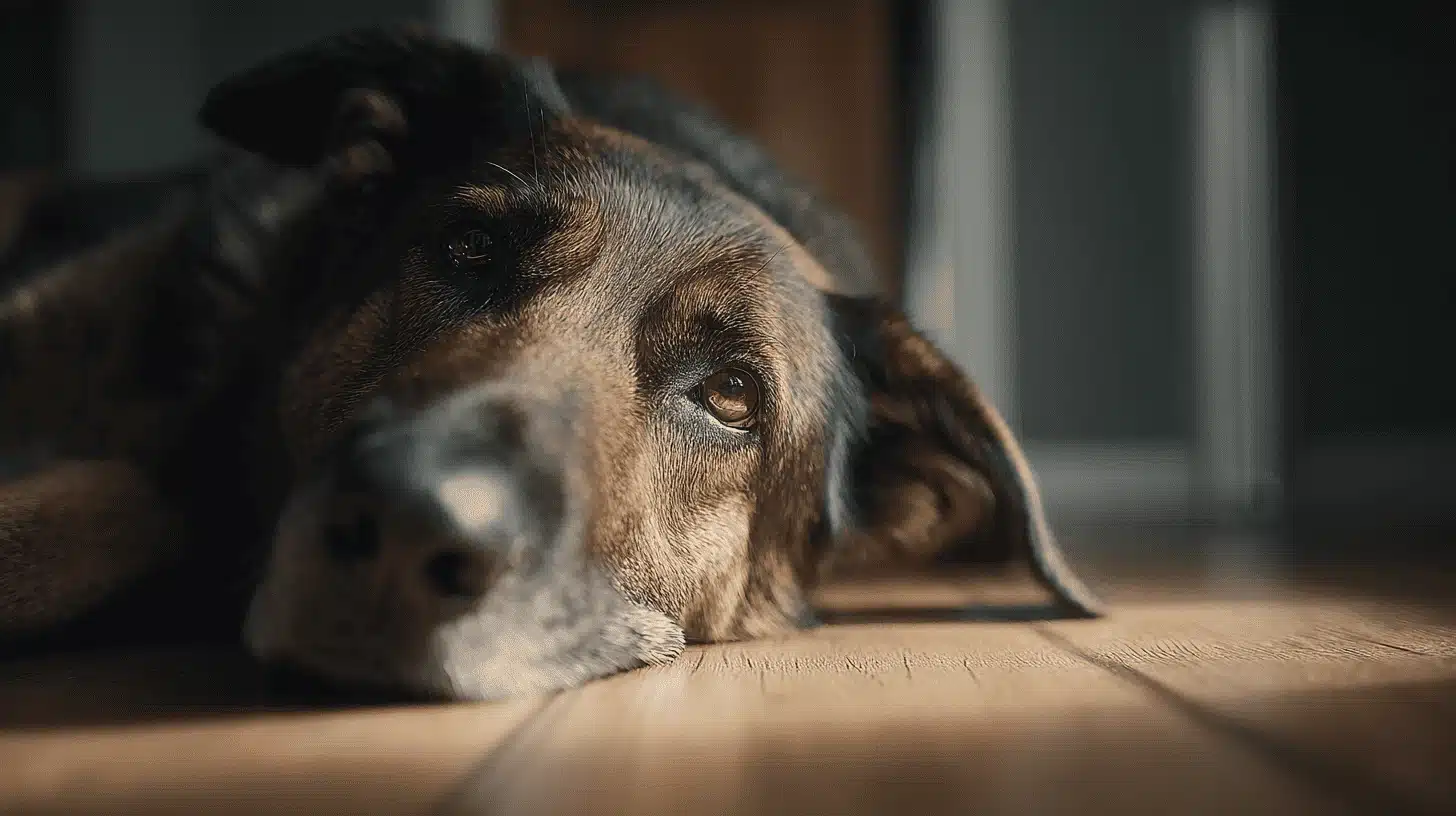
Many dogs become lactose intolerant because their bodies produce less of the enzyme lactase after weaning, making it difficult to digest milk properly.
- Vomiting shortly after consuming milk.
- Diarrhea or loose stools.
- Excessive gas or flatulence.
- Bloating or abdominal discomfort.
- Loss of appetite or reluctance to eat.
- Lethargy or reduced energy levels.
If you observe any of these symptoms, stop giving your dog milk immediately and consult your veterinarian, especially if symptoms are severe or continue for more than a day or two.
Is Milk Safe for Puppies?
Puppies naturally drink their mother’s milk, which is fine. But cow’s milk is a different story.
Their digestive systems are still developing.
Cow’s milk can cause diarrhea, bloating, and discomfort in young pups. If a puppy needs milk, always go with a vet-approved puppy milk replacer.
It’s made specifically for their needs.
Can Dogs Drink Milk with Mixed Water?
Watering down milk feels like a safer middle ground, right?
Diluting milk with water slightly reduces the lactose content. It doesn’t remove it completely, though. If your dog’s stomach is sensitive to dairy, even a watered-down version can still cause loose stools or bloating.
Plain water is always the safest bet for keeping your dog hydrated.
Milk, even mixed, just doesn’t add any real benefit to their diet.
How Much Milk is Safe for Dogs? Serving Sizes & Vet Guidelines
| Dog Size | Safe Serving Size | Frequency |
|---|---|---|
| Small (under 20 lbs) | 1–2 tablespoons | Occasional treat only |
| Medium (20–50 lbs) | 2–3 tablespoons | Once in a while |
| Large (50+ lbs) | Up to ¼ cup | Rarely |
Quick note: These are general guidelines. Every dog reacts differently to dairy. Always check with your vet before adding milk to your dog’s diet
Milk should be given only as an occasional treat and in small amounts.
However, milk should never replace fresh water or a nutritionally balanced diet formulated specifically for dogs. Puppies need specific nutrition and should get milk from their mother or puppy milk replacers, not cow’s milk.
Always prioritize water and a balanced diet over milk treats to keep your dog healthy.
Safe Alternatives to Milk and When to Avoid It
Water should always be your dog’s primary source of hydration.
For puppies without access to their mother’s milk, specially formulated puppy milk replacers are the safest choice.
Other healthy options include low-sodium broth, vet-approved dog drinks, and dog-safe fruits and vegetables.
Milk should be avoided entirely if your dog has allergies, gastrointestinal issues, or chronic health conditions.
If you notice any signs of distress, even mild, stop giving milk immediately and consult your veterinarian.
Testing your dog’s milk tolerance should always be done cautiously and under the supervision of a professional to prevent discomfort or health problems.
A Safe List for Your Dog
Not everything we drink is safe for dogs. Here’s a quick look at what’s okay and what to keep away from them.
| Drinks Dogs Can Have | Drinks Dogs Should Avoid |
|---|---|
| Fresh plain water | Alcohol |
| Coconut water (plain, no additives) | Coffee or tea |
| Plain bone broth (low sodium) | Energy drinks |
| Watermelon juice (no seeds or sugar) | Fruit juices with added sugar |
| Vet-approved puppy milk replacer | Cow’s milk (large amounts) |
| Plain goat’s milk (small amounts) | Fizzy/carbonated drinks |
| Diluted unsweetened herbal broth | Xylitol-based drinks |
Download and Print the More Detailed Complete Handy List for Reference.
Quick reminder: Water is always the number one drink for your dog. Anything else should be given carefully and in small amounts.
Wrapping it Up
So, can dogs drink milk?
Honestly, it depends on your dog. Some dogs handle a small amount just fine. Others, their stomachs say a hard no.
Milk does carry some good stuff. Most adult dogs struggle to properly break down lactose. Water and a balanced diet should always come first.
Before you pour that glass, watch how your dog reacts. When in doubt, ask your vet.
They know your dog’s needs better than anyone.
Frequently Asked Questions (FAQ’s)
1. Can Dogs Drink Milk That is Flavoured?
Flavored milk contains sugar and artificial sweeteners such as xylitol, which are toxic to dogs. Avoid giving it altogether.
2. Is Condensed or Evaporated Milk Safe for Dogs?
Condensed and evaporated milk are high in sugar and fat and should not be given to dogs, as they can cause digestive upset and obesity.
3. Can Lactose Intolerance in Dogs Be Treated?
Lactose intolerance isn’t curable but manageable by avoiding dairy and choosing lactose-free or safe treats.
4. Can Older Dogs Tolerate Milk Better or Worse than Younger Dogs?
Older dogs often produce less lactase, making them less able to digest and more prone to digestive issues than younger dogs.
5. Are Homemade Milk Alternatives for Dogs Safe?
Homemade plant-based or animal milk substitutes may lack nutrients or have harmful ingredients; using vet-recommended commercial products is safer.