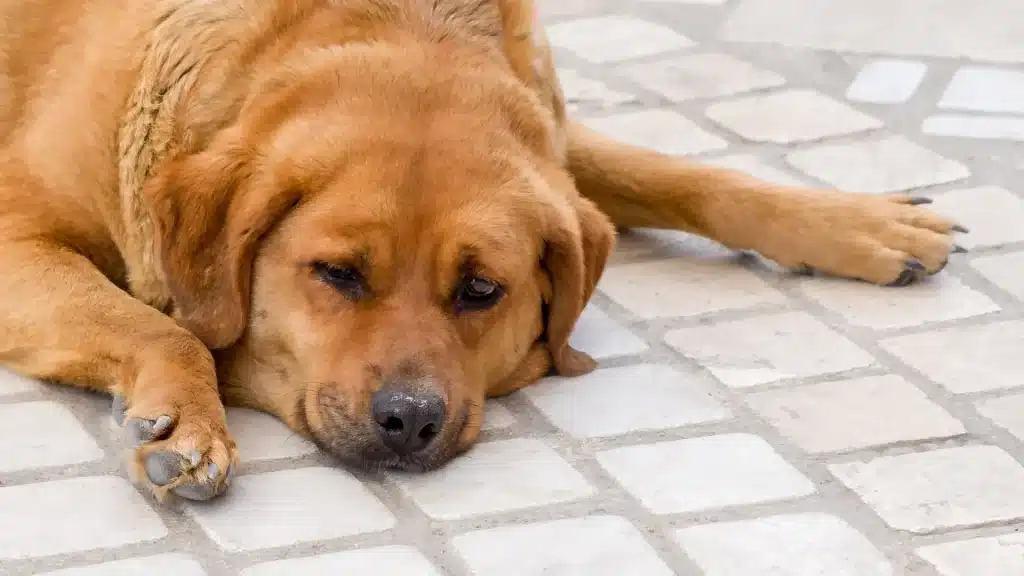
Your dog hasn’t pooped in days. You’ve noticed them straining, circling, and looking uncomfortable. Something is clearly wrong.
There are simple steps you can take at home to help your dog feel better fast.
In this blog, you’ll find out what causes constipation in dogs, how to spot the signs early, and what you can do to get things moving again.
Why Does Dog Constipation Happen?
Constipation in dogs happens for many reasons. Most of the time, it’s something simple, like not drinking enough water or eating something they shouldn’t have.
These are the most common causes:
- Not enough water: Dehydration makes stools hard and difficult to pass.
- Low fiber diet: Without enough fiber, digestion slows down.
- Swallowed hair or debris: Dogs groom themselves and sometimes swallow foreign objects that can block the gut.
- Lack of exercise: A dog that doesn’t move much has a sluggish digestive system.
- Stress or anxiety: Big changes at home can affect your dog’s bathroom routine.
Sometimes, constipation can point to something more serious, such as a blockage or a health condition. So keep a close eye on your dog.
Causes of Constipation in Dogs
There’s rarely just one reason a dog gets constipated. The following are the most common culprits:
1. Diet-Related Causes
Low fiber in your dog’s diet is a big one. So is not drinking enough water. Poor-quality food can also significantly slow digestion.
2. Lifestyle and Behavioral Factors
Dogs that don’t get enough exercise tend to have slower bowels.
Some dogs also hold it in when they don’t feel safe or comfortable outside. Over time, that habit causes problems.
3. Health and Medical Conditions
Blockages from swallowed objects, certain medications, and aging can all affect bowel movement.
Older dogs, especially, tend to struggle more with this.
4. Environmental and Stress Triggers
Travel, sudden changes in routine, or even moving to a new home can upset your dog’s digestive rhythm. Dogs feel stress, too, and their gut shows it.
Things You Should Do When Your Dog is Constipated
Constipation in dogs means their bowel movements are delayed or blocked.
Their stool becomes hard and dry, making it difficult to pass. It’s uncomfortable for them, but in most cases, it’s manageable at home.
Do These Things Right Away:
Check when your dog last pooped. Think back, was it yesterday or two days ago?
Next, make sure they have access to fresh water. Dehydration is one of the most common reasons a dog gets backed up.
Take them outside for a short walk. Movement helps get the bowels going.
Do Not Do These Things:
Don’t give your dog a human laxative. It can be toxic to them. Don’t try to remove the stool yourself manually.
And don’t ignore it for more than two to three days without calling your vet.
In most cases, when a dog is constipated, simple at-home care resolves the issue. A little extra water, some light movement, and close observation go a long way.
Simple Treatments When Your Dog is Constipated
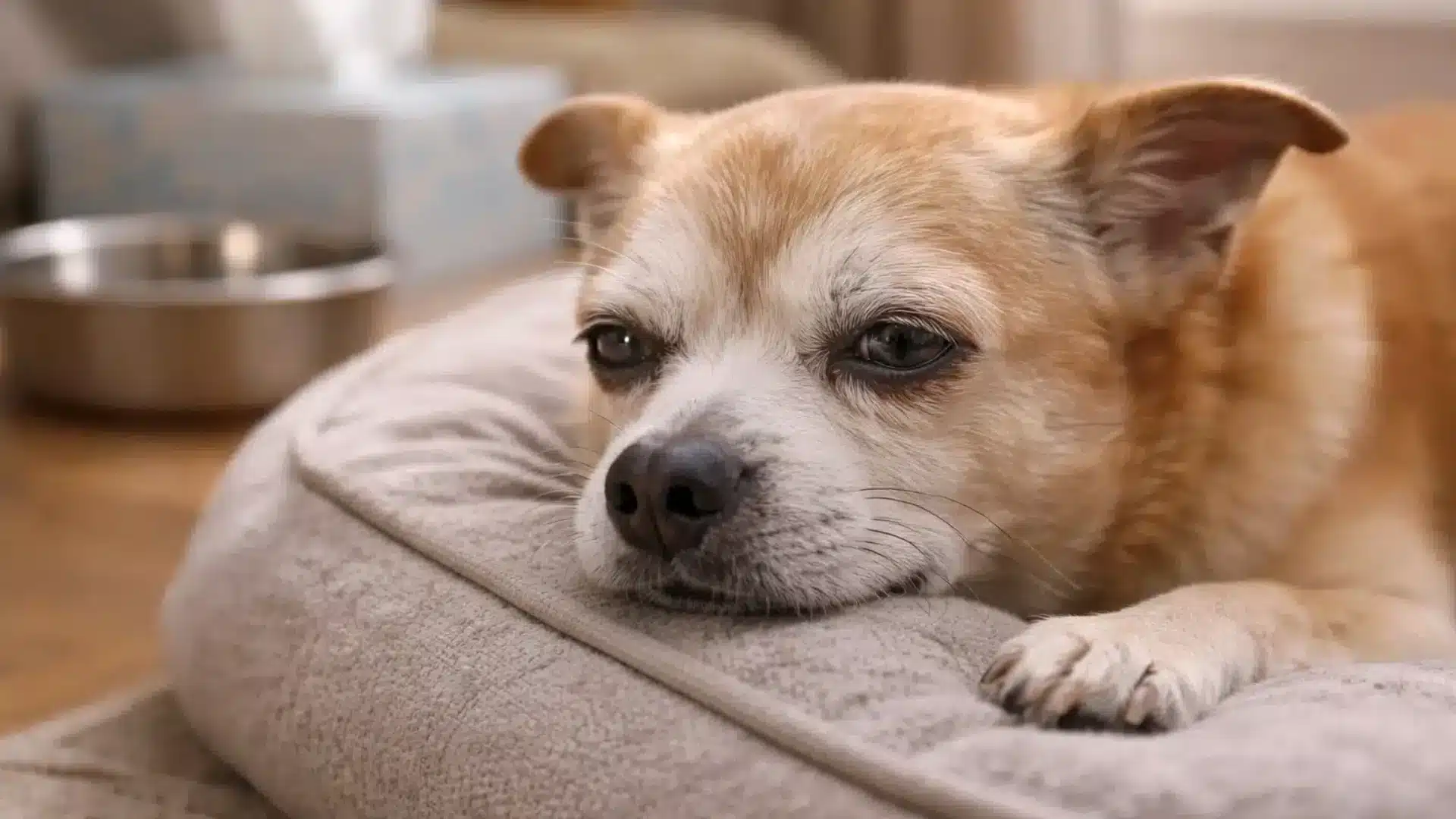
Many cases of dog constipation can be sorted out without a vet visit. A few simple changes can make a real difference.
Diet Adjustments That Help
Start with what goes into their bowl. Adding fiber to your dog’s diet helps move things along.
Plain cooked vegetables, such as green beans or carrots, work well. Make sure fresh water is always available.
Hydration plays a huge role in keeping stools soft. If you’re feeding dry kibble, consider switching to wet food temporarily.
It adds extra moisture to their diet without much effort.
Safe Over-the-Counter Options
There are some dog-safe stool softeners and fiber supplements available at pet stores.
Always read the label carefully and follow the dosage instructions. Never guess on amounts.
And always check with your vet before trying anything new, even if it says “dog-safe” on the packaging.
Lifestyle Fixes
Don’t forget to go for a good walk. Regular exercise keeps your dog’s digestive system moving.
Try adding an extra walk to their daily routine. Even 10 to 15 minutes of movement can help get things going again.
Stick to a consistent schedule, too; dogs respond well to routine.
Home Remedies for Mild Dog Constipation
If your dog is constipated and the symptoms are mild, a few home remedies can help before you call the vet.
Pumpkin Puree
Plain canned pumpkin, not pie filling, is one of the most popular remedies. It’s high in fiber and moisture.
A spoonful or two mixed into their food can help soften stool and get things moving.
Increased Water Intake
Sometimes it really is that simple. Make sure your dog is drinking enough throughout the day.
Some dogs prefer running water, so a pet fountain might encourage them to drink more.
Gentle Movement and Walks
A short, calm walk after meals can do a lot. It stimulates the gut and encourages a bowel movement. Keep it easy, no need for intense exercise.
Adding Moisture to Food
Try adding a little warm water or low-sodium broth to dry food. It softens the meal and sneaks in extra hydration at the same time.
Start small, watch how your dog responds, and adjust from there. If things don’t improve in a day or two, call your vet.
When to See a Vet Without Delay?
Home remedies work for mild cases, but some signs mean it’s time to call the vet now.
If your dog hasn’t had a bowel movement in two or more days, don’t wait it out. Vomiting, hunching, or whimpering needs fast attention, too.
Blood in the stool should never be ignored. Call your vet immediately. And if your dog swallowed a foreign object, a blockage won’t resolve on its own.
When in doubt, just call. You know your dog best.
Food that Triggers and Helps with Constipation
Avoid the following foods, which might trigger the constipation in your dogs:
| Foods That Help | Foods That Trigger Constipation |
|---|---|
| Plain canned pumpkin | Dry kibble (low moisture) |
| Cooked carrots | Dairy products |
| Green beans | Processed dog treats |
| Wet dog food | Cooked bones |
| Low-sodium broth | Table scraps |
| Fresh water (increased intake) | High-fat foods |
What Happens if Constipation is Ignored?
Not going to the bathroom for one day is not a big problem, but ignoring it for too long is a serious issue.
The discomfort gets worse over time. A stool that sits too long becomes harder to pass. In serious cases, a blockage can form in the intestine.
That’s a medical situation that needs a vet fast.
Prolonged constipation can also cause internal strain on the colon. Over time, this affects how well the gut functions.
On top of that, a dog that’s constipated for days will eat less, move less, and feel miserable overall.
Catching it early makes everything easier for your dog and for you.
Conclusion
Most cases clear up with simple changes like drinking more water, taking a short walk, or adding a spoonful of pumpkin puree.
Stay observant. Know your dog’s normal routine. Act quickly when something shifts. And don’t hesitate to call your vet when home care isn’t enough.
Small daily habits, such as good food, regular exercise, and plenty of fresh water, go a long way in keeping your dog healthy and comfortable.
A little attention every day beats a big problem down the road.
Frequently Asked Questions (FAQs)
1. Will a Constipated Dog Eventually Poop?
In mild cases, yes, but if nothing passes after two days, it’s time to call your vet.
2. What is a Quick Laxative for Dogs?
Plain canned pumpkin or a vet-approved dog-safe stool softener from a pet store can help get things moving.
3. How to Stimulate a Dog to Poop?
A short walk, gentle belly movement, and adding moisture to their food can help stimulate a bowel movement.