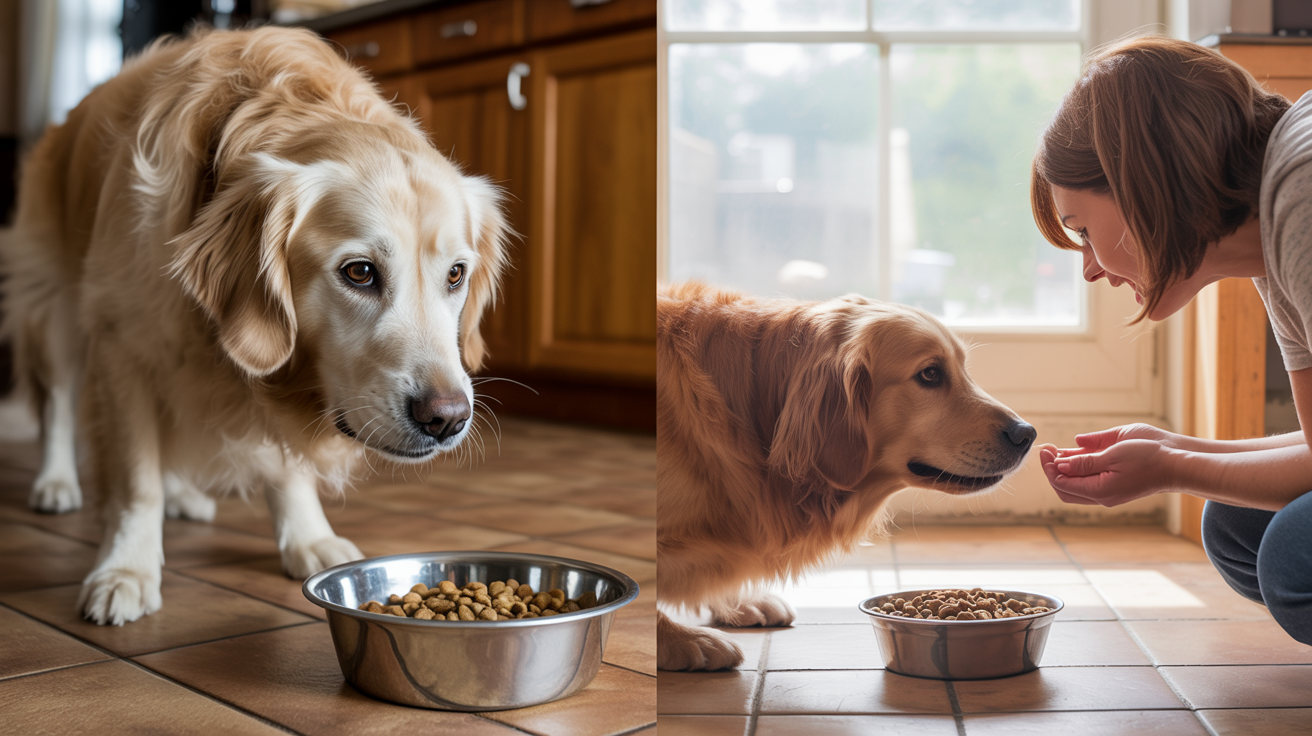

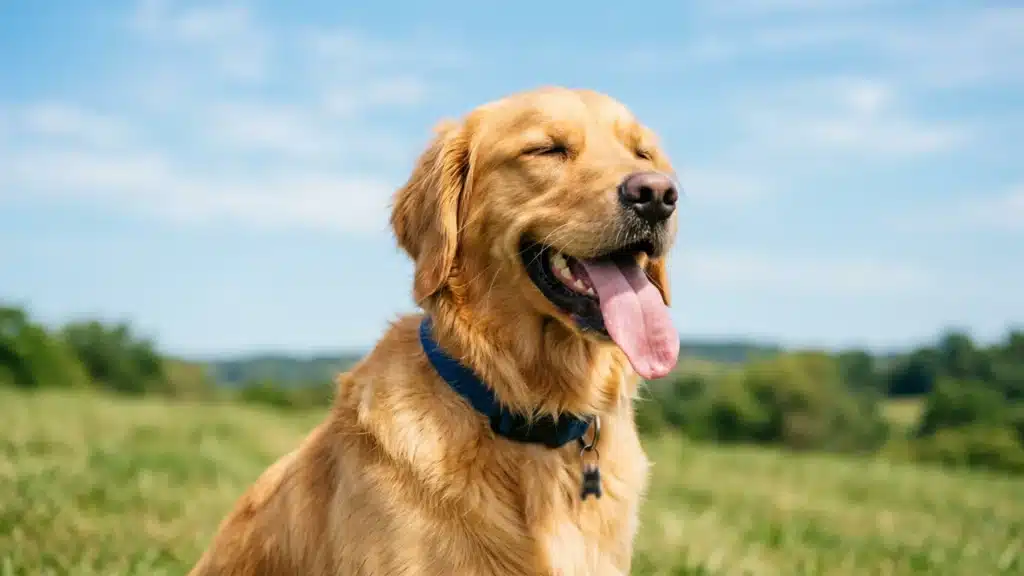
My neighbor’s 2-year-old Labrador had a flat, pushed-in face, wandering eyes, and couldn’t respond to his own name after six months of training.
The vet visits kept coming. The answers kept changing.
One afternoon, she sat across from me and said, I looked it up. I think he has Down syndrome.
But can dogs have Down syndrome? No, not the way humans do.
The genetic math doesn’t add up the same way. But his symptoms were real.
His condition was real. It just had a different name. I’ll show you exactly what conditions cause these signs, how vets diagnose them, and what his owner did next.
What is Down Syndrome?
Down syndrome is a genetic condition caused by Trisomy 21.
Normally, humans are born with 46 chromosomes, 23 pairs. But in Down syndrome, chromosome 21 appears three times instead of two. That extra copy changes how the brain and body develop.
This leads to recognizable physical traits, slower learning, and certain health problems.
Why do dogs come in?
Dogs carry 78 chromosomes, 39 pairs. That’s nearly double what humans have. So when a chromosome error occurs in dogs, it works completely differently. You can’t apply human genetic rules to a dog’s DNA.
That difference is exactly why Down syndrome, as we know it, cannot exist in dogs the same way.
Can Dogs Have Down Syndrome?
The short answer is no. Dogs cannot have Down syndrome.
Down syndrome is specific to humans because it involves chromosome 21, which is part of the human DNA structure. A Trisomy 21 error simply cannot occur in a dog’s genetic makeup.
Because dogs have chromosome pairs arranged very differently.
So why do so many people use that term?
Mostly because the signs look familiar. A dog with a flat face, wide-set eyes, or slow learning reminds owners of what they’ve seen associated with Down syndrome in humans.
The comparison feels logical, but medically, it doesn’t hold up.
Vets don’t diagnose dogs with Down syndrome. The condition, by definition, is solely a matter of human genetics.
Why do Some Dogs Look Like They Have Down Syndrome?
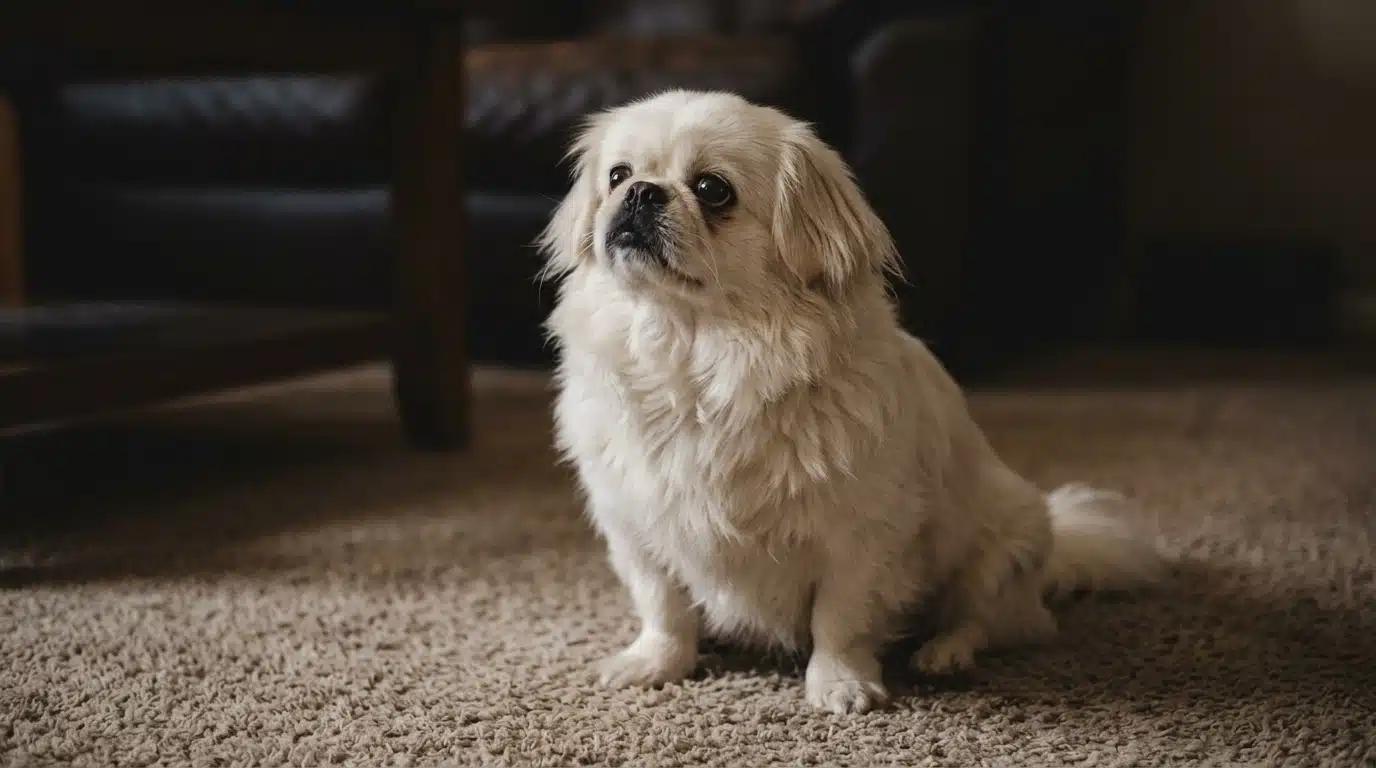
A dog with a flat face and wide-set eyes gets labeled a down syndrome dog almost immediately, but that label skips the actual diagnosis entirely.
Certain physical traits tend to raise the most concern:
- Flattened facial features that look pushed in or unusually shaped
- Wide-set eyes that appear misaligned or unfocused
- Developmental delays where the dog grows slower than expected
Behaviorally, things get equally confusing. A dog that struggles to learn basic commands after months of training, or stumbles during normal walks, feels like something is clearly wrong.
But here’s the distinction vets make: these are symptoms of underlying conditions, not Down syndrome itself.
Something is causing these signs. That cause needs a proper diagnosis. Assuming it’s Down syndrome only delays getting your dog the right help
Genetic and Developmental Conditions in Dogs
When a dog shows unusual physical traits or behavioral signs, a specific medical condition is almost always behind it.
These are the most common ones vets actually diagnose.
Congenital Hypothyroidism
The thyroid gland controls critical developmental functions from birth. When it underperforms, puppies often develop a thicker coat and gain weight abnormally.
They show little interest in interacting with people or other dogs. Some never reach normal adult size.
Hydrocephalus
Fluid accumulation puts constant pressure on brain tissue.
Small-breed dogs and brachycephalic breeds face a higher risk. Beyond the visible dome-shaped skull, affected dogs often stare blankly, circle repeatedly, or press their heads against walls, a sign of persistent internal pressure.
Cerebellar Hypoplasia
The cerebellum forms incompletely before birth, leaving the dog with permanent movement difficulties.
Unlike progressive conditions, this one stays stable throughout the dog’s life.
Owners often describe watching their dog walk as though it’s constantly losing its balance on ice.
Portosystemic Shunts
Blood takes an abnormal route, completely skipping liver filtration.
This means waste products accumulate in the bloodstream and reach the brain unchecked.
Affected dogs often appear confused after meals, show sudden personality changes, or experience episodes that closely resemble seizures.
Chromosomal Abnormalities in Dogs
When chromosomal errors occur in dogs, they affect development in ways that are entirely specific to canine biology. Unlike human genetic conditions, these abnormalities don’t follow predictable patterns.
They make them extremely hard for vets to identify without advanced genetic testing.
How Vets Diagnose Genetic Conditions in Dogs
Vets use several methods to identify what’s actually affecting your dog:
1. Physical examination
Vets carefully check facial structure, muscle tone, and overall body proportions.
2. Blood Tests and Imaging
These reveal hormonal imbalances, organ function issues, and internal structural abnormalities
3. Neurological assessments
Vets test reflexes, coordination, and brain response through structured clinical observation.
4. Genetic testing
Advanced chromosome analysis identifies rare abnormalities that routine tests often completely miss.
5. Imaging scans
MRI and ultrasound reveal internal structural issues affecting the brain and vital organs.
6. Genetic Testing
Used in specific cases where chromosomal errors are genuinely suspected by the vet.
7. Veterinary diagnosis matters
Only a qualified vet can accurately identify what condition your dog actually has.
Why Self-Diagnosing is Risky: Matching your dog’s photo to internet images can lead to incorrect conclusions and delayed treatment.
Caring for Dogs with Special Needs
- Set a fixed daily schedule. Special needs dogs respond better to predictable routines.
- Use ramps or steps at home to help dogs with movement difficulties get around safely.
- Feed measured portions approved by your vet, since many of these conditions directly affect metabolism.
- Keep exercise sessions short, low-impact, and appropriate for your dog’s physical limitations.
- Use positive reinforcement, reward small wins, repeat commands consistently, and avoid rushing training.
- Schedule vet check-ups every three to four months, not just when problems appear.
- Track behavioral or physical changes between visits and report them during each appointment.
Ethical Considerations and Responsible Pet Ownership
Calling your dog a “Down syndrome dog” online might attract attention, but it spreads medical misinformation that affects how people understand real conditions.
Every dog deserves an accurate diagnosis, not a label borrowed from human medicine.
Understanding what your dog actually has helps you make better care decisions.
It also helps other owners recognize similar signs early.
If you’re considering adding a pet to your family, special needs dogs in shelters wait the longest for homes.
They need owners who understand them, not just feel sorry for them.
End Note!
My neighbor’s story didn’t end with a wrong Google search. He received a proper vet diagnosis, adjusted his daily care, and today he is managing well with the right treatment plan.
That’s exactly what accurate information leads to: better decisions for your dog.
Your dog cannot have Down syndrome. But your dog can have a real condition that deserves a real diagnosis.
Stop at the vet’s office before you stop at a search engine.
Frequently Asked Questions (FAQ’s)
1. Can Dogs Have Neurodevelopmental Disorders?
Yes, dogs can have neurodevelopmental disorders that affect behavior and brain function.
2. What to Feed a Dog After Vomiting?
Start with bland foods like plain boiled chicken and white rice.
3. Can Dogs be Born with Special Needs?
Yes, some dogs are born with genetic or physical conditions requiring extra care.
4. Can Dogs Have Autism?
Dogs can show autism-like behaviors, but no official autism diagnosis exists for dogs.
5. What is a Silent Killer for Dogs?
Bloat, also called GDV, is a life-threatening condition with few early warning signs.