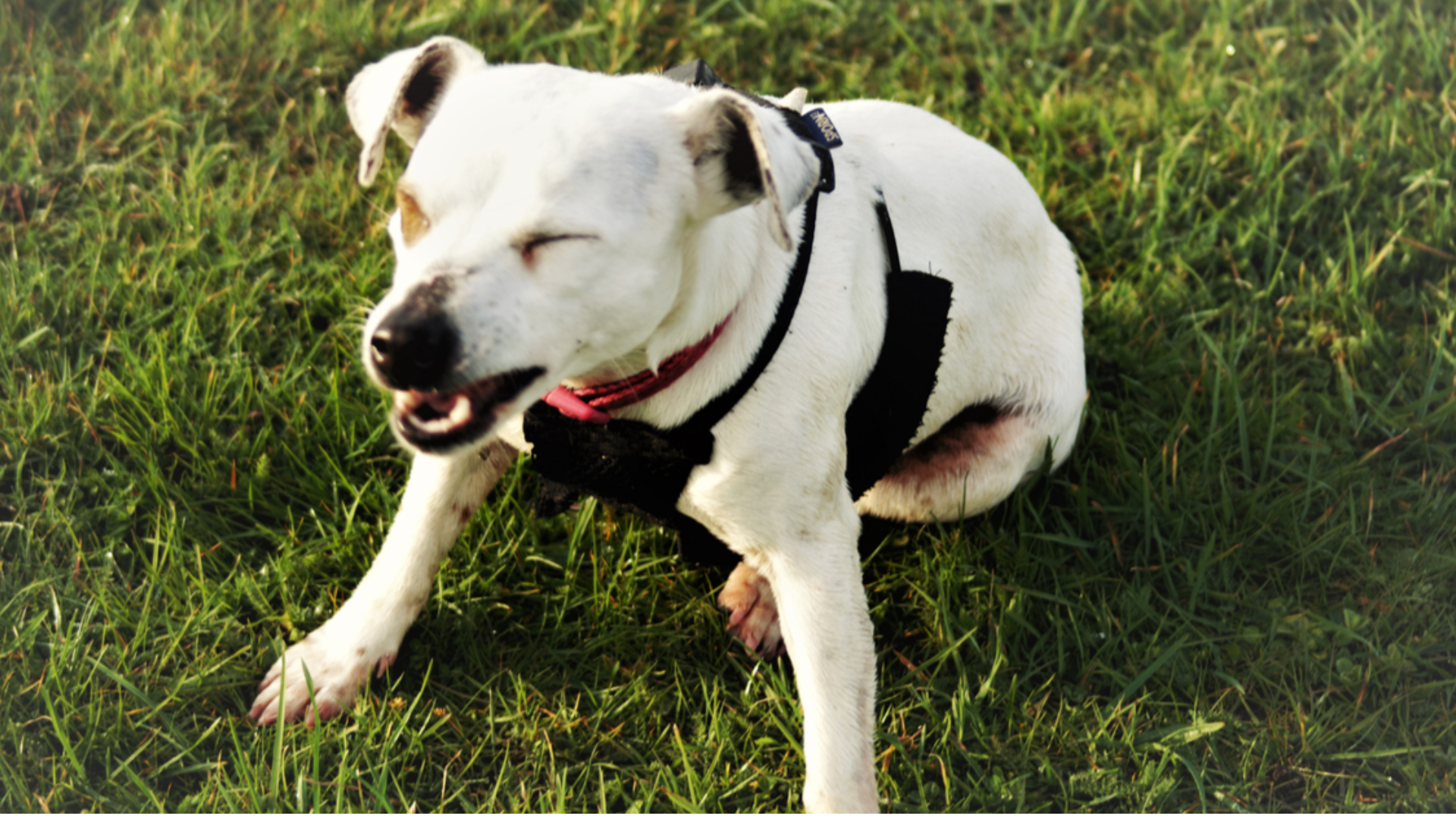
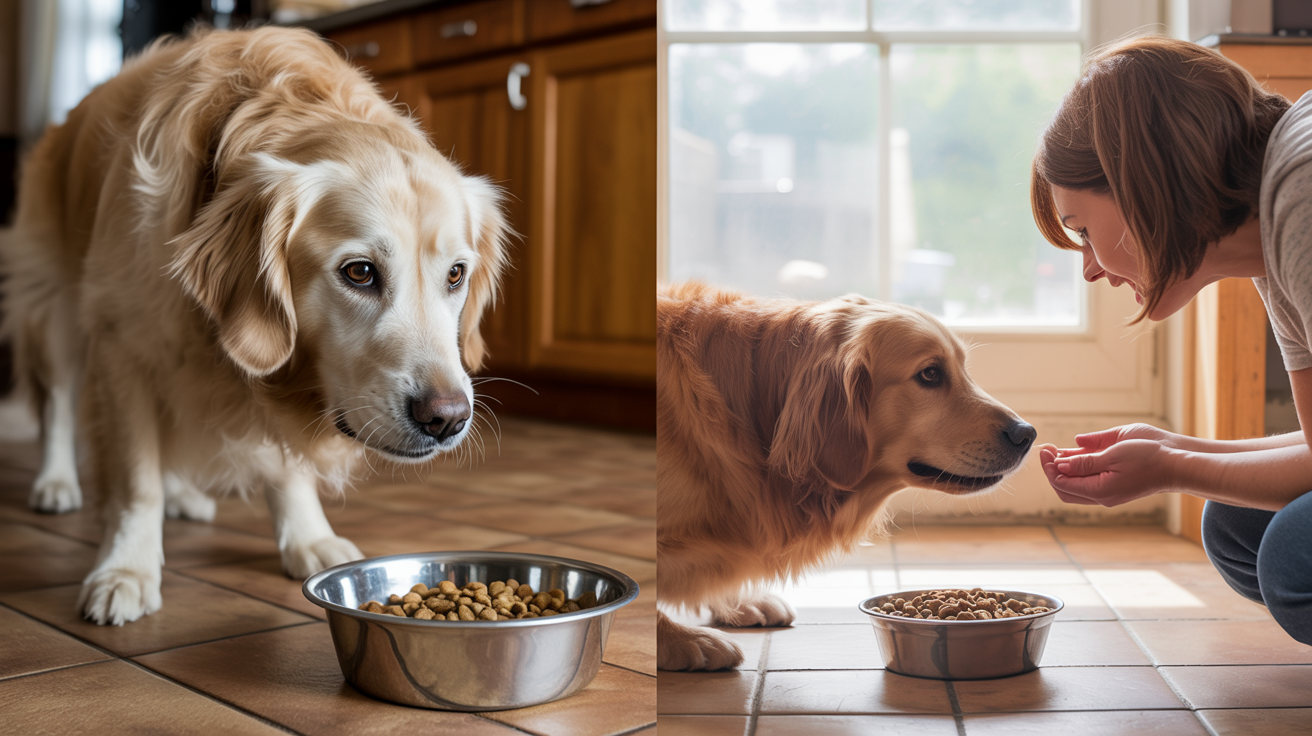
You notice a cut on your dog’s paw. You’re eyeing that Neosporin tube. Can you use Neosporin on dogs? Yes, but only in specific situations.
Most pet owners don’t realize this can cause issues. Dogs lick everything off, and some formulas contain harmful ingredients.
Regular Neosporin may work for tiny wounds your dog can’t reach, but safer alternatives exist.
This blog covers when it’s safe, what risks to watch for, and which vet-approved options work better.
What is Neosporin?
Neosporin is that trusty antibiotic ointment sitting in your bathroom cabinet.
It’s designed to prevent infections in minor cuts and scrapes by combining three antibiotics that work together.
Bacitracin stops bacteria from building protective walls. Neomycin attacks their protein production. Polymyxin B breaks down their cell membranes.
For humans, it works great on small wounds. You apply a thin layer, and it keeps germs out while your skin heals.
Their bodies process medications differently, and they lick everything you put on them. That changes the game completely.
When is Neosporin Safe for A Dog’s Wound
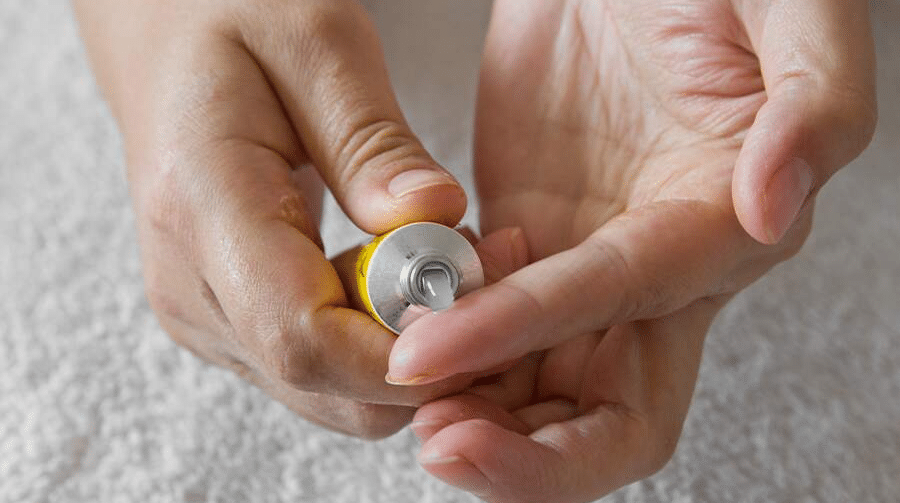
Not all wounds are created equal, and knowing when Neosporin is appropriate can make all the difference. Here’s when it might help and when you should skip it entirely.
When Neosporin Might Be Okay
Neosporin should be used only as a backup for very specific situations. The wound must be minor and superficial, like small scrapes or shallow cuts that barely break the skin.
Location matters most. The wound needs to be somewhere your dog can’t reach, like high on the back or between the shoulder blades.
Good scenarios include minor scrapes from fences, rough play, or small nicks from playing with other dogs.
When Neosporin Should Not Be Used
Skip Neosporin for deep wounds that need stitches or puncture wounds that carry bacteria deep into tissue.
Never use it for:
- Signs of infection, like pus or foul odor
- Wounds near the eyes, ears, or mouth
- Pain relief formulas (toxic to dogs)
If your dog seems unusually tired or uncomfortable, call your vet.
Risks & Side Effects
Using Neosporin on dogs can be effective for minor cuts, but carries several risks:
- Ingestion Risks: If a dog licks the ointment, it can cause gastrointestinal upset, vomiting, or even toxicity in large amounts. To prevent this, cover the wound or use a cone.
- Allergic Reactions: Dogs can be allergic to Neosporin, leading to redness, swelling, itching, or hives. If this happens, discontinue use and consult a vet.
- Skin Irritation: Prolonged use may cause irritation, dryness, or pain at the wound site, especially on sensitive skin.
- Antibiotic Resistance: Overuse of Neosporin can contribute to antibiotic resistance, making infections harder to treat.
- Not for Certain Wounds: It’s not suitable for deep puncture wounds, eye injuries, or infected wounds.
Always consult a vet before using Neosporin on your dog to ensure safety and appropriate treatment.
How to Safely Use Neosporin on Dogs (Step-by-Step)
If you’ve decided Neosporin is appropriate for your dog’s minor wound, following the right steps ensures safer application and better healing.
Step 1: Assess the Wound
Only use Neosporin on small, shallow cuts or scrapes. Skip it if the wound is deep, bleeding heavily, or near your dog’s eyes, ears, or mouth.
Call your vet for anything beyond a minor surface scratch.
Step 2: Clean the Wound First
Rinse the wound with lukewarm water or sterile saline to remove dirt and debris. Pat dry with a clean towel.
Never apply Neosporin to a dirty wound; cleaning first prevents trapping bacteria.
Step 3: Apply a Thin Layer
Use a very small amount of Neosporin. Apply only to the wound itself, not the surrounding skin. Spread gently with a clean finger or cotton swab.
Thick layers trap moisture and slow healing.
Step 4: Prevent Licking
Put an e-collar on your dog immediately after application. Distract them for 10-15 minutes while the ointment absorbs.
Never let your dog lick Neosporin; ingestion causes stomach upset.
Step 5: Monitor the Wound
Check twice daily for infection or allergic reaction signs like increased redness, swelling, pus, or bad smell.
Stop using Neosporin if the wound worsens. Contact your vet if healing doesn’t progress within 24-48 hours.
Step 6: Limit Use to 2-3 Days
Don’t use Neosporin for more than a few days.
Most minor wounds heal quickly without extended treatment. Long-term use increases the risk of antibiotic resistance.
Safe Alternatives to Neosporin for Dogs
You have safer options than Neosporin for treating your dog’s minor wounds without the risks of licking and allergic reactions.
1. Veterinary-Approved Antibiotic Ointments
Products made specifically for dogs work best. Vetericyn Plus wound spray is non-toxic if licked and safe for all wounds.
Your vet can also prescribe silver sulfadiazine cream or mupirocin ointment for wounds needing antibiotic treatment.
2. Plain Saline Solution
Sterile saline flushes out dirt and bacteria without stinging or causing reactions. You can buy it at any pharmacy.
Saline cleaning alone often works for minor scrapes that don’t need ointment.
3. Antimicrobial Honey (Medical Grade)
Medical-grade manuka honey has natural antibacterial properties and promotes healing.
It’s safe if your dog licks small amounts. Only use medical-grade honey sold for wound care, not kitchen honey.
4. Coconut Oil
Plain coconut oil has mild antibacterial properties and keeps wounds moisturized. It’s completely safe if ingested and works well for surface abrasions.
5. Chlorhexidine Solution
Diluted chlorhexidine (0.05-0.1%) cleans wounds effectively without the risks of antibiotic ointment.
You can find it at pet stores; just follow the dilution instructions carefully.
6. E-Collars Instead of Ointment
Sometimes prevention beats treatment. An e-collar stops licking and lets minor wounds heal naturally without your dog ingesting any products.
7. When to Skip Home Remedies
Deep wounds, punctures, burns, or infected wounds need veterinary care. If wounds don’t improve within 24-48 hours or get worse, see your vet immediately.
Ask your vet which products to keep in your pet’s first aid kit before you need them.
8. Pet-Specific Sprays and Gels
- Antimicrobial sprays made for pets often taste bitter to discourage licking
- Chlorhexidine solution (diluted) offers gentle antiseptic cleaning, vets recommend
- Manuka honey wound gel has natural antibacterial properties
- Hydrogel dressings keep wounds moist and protected
When to Call the Vet
Some situations need professional care, not home treatment. Knowing when to call your vet can prevent complications.
Contact your vet immediately if you see:
- Deep wounds where the edges don’t come together
- Heavy bleeding that won’t stop after 10 minutes
- Puncture wounds or bite wounds
- Signs of infection, like pus, foul odor, or spreading redness
- Wounds near the eyes, ears, mouth, or genitals
Your dog’s behavior matters too. If they stop eating, become unusually tired, or seem significantly more painful than expected, call your vet.
Conclusion
So, can you use Neosporin on dogs safely? In a pinch, regular Neosporin might work for tiny wounds in hard-to-lick spots.
But dog-specific products are always the smarter choice. They’re designed with your pup’s safety in mind and won’t cause problems if ingested.
Stock your pet’s first aid kit properly and know when home care is enough.
When something feels off, don’t hesitate to call your vet. Your dog’s health is worth getting it right.