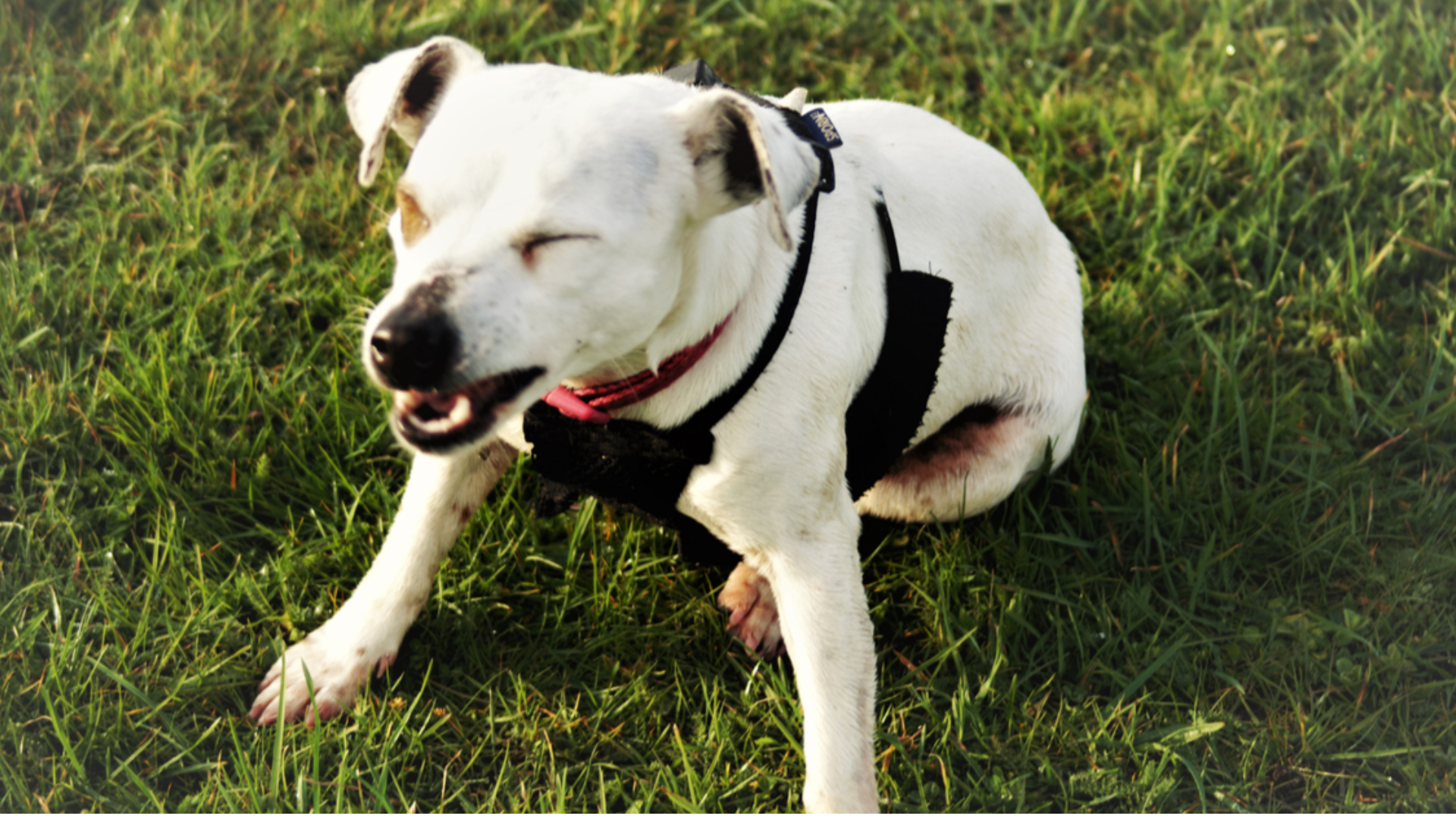
Pet owners often worry when they notice their why is my dog breathing fast, especially during rest or sleep. This concern makes perfect sense: rapid breathing can signal anything from normal excitement to a serious medical emergency that requires immediate attention.
Here’s some clear, practical information to help pet owners understand when fast breathing is normal and when it requires emergency veterinary care.
Readers will learn to recognize dangerous warning signs, understand common causes behind why is my dog breathing fast, and know exactly what to tell their vet during emergency calls.
The blog also covers prevention strategies and diagnostic procedures, giving pet owners the confidence to protect their dogs’ respiratory health and respond appropriately when breathing issues arise.
Immediate Red Flags if Your Dog Is Breathing Fast
Pet owners need to recognize the warning signs that indicate their dog requires emergency veterinary care immediately. When dogs exhibit rapid breathing, specific symptoms indicate that this is a serious condition.
Watch for these emergency signs:
- Blue, purple, or pale gums: This means the dog isn’t getting enough oxygen.
- Using belly muscles to breathe: The dog’s stomach pushes in and out with each breath.
- Can’t lie down or get comfortable: Dogs stand with legs spread wide or pace constantly.
- Breathing with mouth open while resting: This isn’t normal panting after exercise.
- Neck stretched out: Dogs extend their head and neck forward to breathe more easily.
- Won’t eat, drink, or move: Dogs seem reluctant to do everyday activities.
These signs indicate that dogs require immediate veterinary attention. Pet owners shouldn’t wait to see if the condition improves.
Why Do Puppies Breathe So Fast? Common and Hidden Causes

Rapid breathing in dogs, especially when they’re at rest or sleeping, can be worrying for pet parents. While occasional panting may be normal after exercise or excitement, consistently fast or labored breathing can signal a deeper issue.
Understanding what could be behind this symptom helps pet owners respond appropriately, and potentially save their dog’s life.
Below are the most common and serious medical conditions associated with speedy breathing in dogs.
1. Respiratory Infections
Infections like pneumonia or kennel cough cause inflammation in the lungs or airways, which reduces oxygen flow and makes breathing difficult.
Symptoms:
- Rapid, shallow breathing
- Coughing (dry or wet)
- Nasal discharge
- Fever
- Lethargy
- Loss of appetite
2. Congestive Heart Failure (CHF)
A condition where the heart can’t pump blood efficiently, leading to fluid buildup in the lungs and oxygen shortage.
Symptoms:
- Fast, labored breathing even while resting
- Persistent coughing (worse at night)
- Blue or pale gums
- Weakness or fatigue
- Swollen belly (ascites)
- Fainting or collapse
3. Heatstroke / Overheating
Occurs when a dog’s body can’t cool down fast enough, especially in hot or humid weather, leading to dangerously high body temperature.
Symptoms:
- Rapid panting and breathing
- Bright red gums
- Drooling excessively
- Vomiting or diarrhea
- Confusion or loss of coordination
- Collapse or seizures
4. Pain or Physical Trauma
Dogs in pain from injury or illness may breathe faster as a stress response or due to discomfort while inhaling deeply.
Symptoms:
- Increased breathing rate
- Restlessness or pacing
- Whining, hiding, or aggression
- Limping or reluctance to move
- Change in posture (arched back, stiff body)
5. Anemia
A condition where there are not enough red blood cells to carry oxygen. The body compensates by increasing the respiratory rate.
Symptoms:
- Pale gums or inner eyelids
- Weakness or tiredness
- Fast breathing or heart rate
- Cold paws or ears
- Collapse in severe cases
6. Lung Disease (e.g., Tumors, Pulmonary Fibrosis, Collapsed Lung)
Any disease affecting the lung tissue or air sacs makes breathing inefficient and may cause chronic oxygen deficiency.
Symptoms:
- Constant rapid breathing
- Coughing (possibly with blood)
- Wheezing
- Weight loss
- Exercise intolerance
7. Fever or Systemic Infection
When the body fights off an infection, its temperature rises, increasing respiration as it tries to cool down and deliver oxygen.
Symptoms:
- Elevated breathing rate
- Warm ears, nose, or paws
- Lethargy
- Vomiting or diarrhea
- Shaking or trembling
8. Allergic Reactions / Toxin Inhalation
Exposure to allergens, smoke, or harmful fumes can trigger inflammation or swelling in the airways, causing respiratory distress.
Symptoms:
- Sudden rapid breathing or panting
- Swollen face or muzzle
- Coughing or sneezing
- Hives or itchy skin
- Vomiting
- Collapse in severe cases
9. Tracheal Collapse
The windpipe (trachea) weakens or narrows, mostly in small breeds, causing airway restriction and noisy, effortful breathing.
Symptoms:
- Fast, harsh breathing
- Goose-honk cough
- Gagging after eating/drinking
- Difficulty during excitement or exercise
- Worsens in heat or stress
10. Laryngeal Paralysis
A condition where the muscles that open the vocal cords stop working, making it difficult for air to pass into the lungs.
Symptoms:
- Noisy or raspy breathing
- Hoarse bark
- Panting with minimal effort
- Bluish tongue/gums
- Collapse after activity
11. Stress, Anxiety, or Fear
Emotional distress in dogs causes an adrenaline response, which includes increased heart and breathing rates.
Symptoms:
- Fast breathing or panting at rest
- Pacing or hiding
- Whining, barking
- Dilated pupils
- Trembling or shaking
- Lip licking or yawning frequently
When to Call the Vet and What to Say
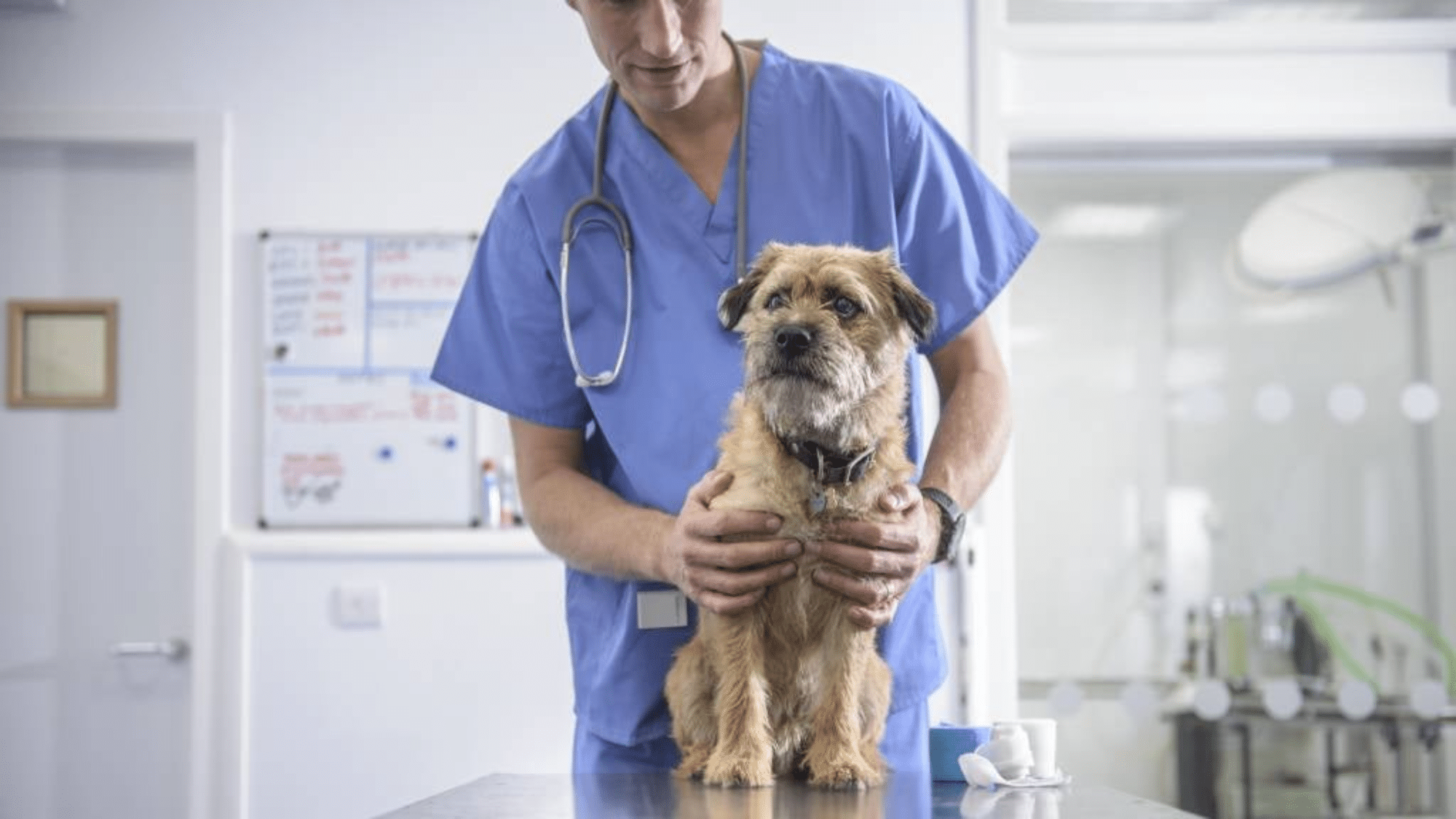
While fast breathing can be normal after activity or excitement, persistent or labored breathing may signal a medical emergency.
Call your vet right away if your dog has:
- Rapid breathing at rest
- Noisy or strained breathing
- Blue, pale, or grey gums
- Fainting, weakness, or collapse
- Coughing up blood or foam
- Signs of heatstroke (drooling, confusion, vomiting)
- Sudden behavior changes or lethargy
What to Tell the Vet:
- Your dog’s age, breed, and weight
- When symptoms began
- Recent activity or exposure (heat, chemicals, trauma)
- Other symptoms (coughing, vomiting, etc.)
- What’s different from your dog’s normal behavior
- Any known medical history or medications
Tip: A quick video of your dog’s breathing can help the vet assess the situation faster.
Preventing Fast Breathing and Health Emergencies in Dogs

Pet owners can take steps to protect their dog’s respiratory health and prevent breathing problems before they start. Simple changes at home and regular care routines help dogs maintain healthy breathing patterns throughout their lives.
1. Environmental Control Measures
Pet owners should limit outdoor activities when temperatures rise above 80°F. Reducing allergens helps dogs with sensitive airways breathe easier.
Regular vacuuming, air purifiers, and keeping dogs away from strong chemicals or smoke create cleaner air for breathing.
2. Exercise and Weight Management
Regular exercise helps strengthen the heart and lungs, but owners should start slowly with dogs that are out of shape.
Short walks that gradually increase in length are more effective than intense activity.
3. Regular Veterinary Care
Pet owners with flat-faced breeds, such as pugs or bulldogs, need extra vigilance, as these dogs face a higher risk of breathing issues.
Vets can detect heart murmurs, lung problems, or other conditions that affect breathing during routine exams.
4. Know Your Dog’s Normal Pattern
Counting breaths per minute during rest helps establish a baseline. Dogs typically breathe 15 to 35 times per minute while at rest.
Any significant changes from this normal pattern warrant attention from a veterinarian.
Final Thoughts
Pet owners should always exercise caution when their dog’s breathing seems off. Early veterinary intervention saves lives and prevents suffering.
Simple monitoring tools like smartphone apps or breathing journals help owners track their dog’s normal patterns over time. However, pet owners shouldn’t rely solely on numbers or measurements.
When something feels wrong about their dog’s breathing, owners should trust their instincts and contact their veterinarian immediately.
The bond between dogs and their owners often reveals subtle changes that diagnostic tools might miss.
Establish your dog’s normal breathing rate today, create a simple monitoring system, and never hesitate to call their vet when concerned about breathing changes.