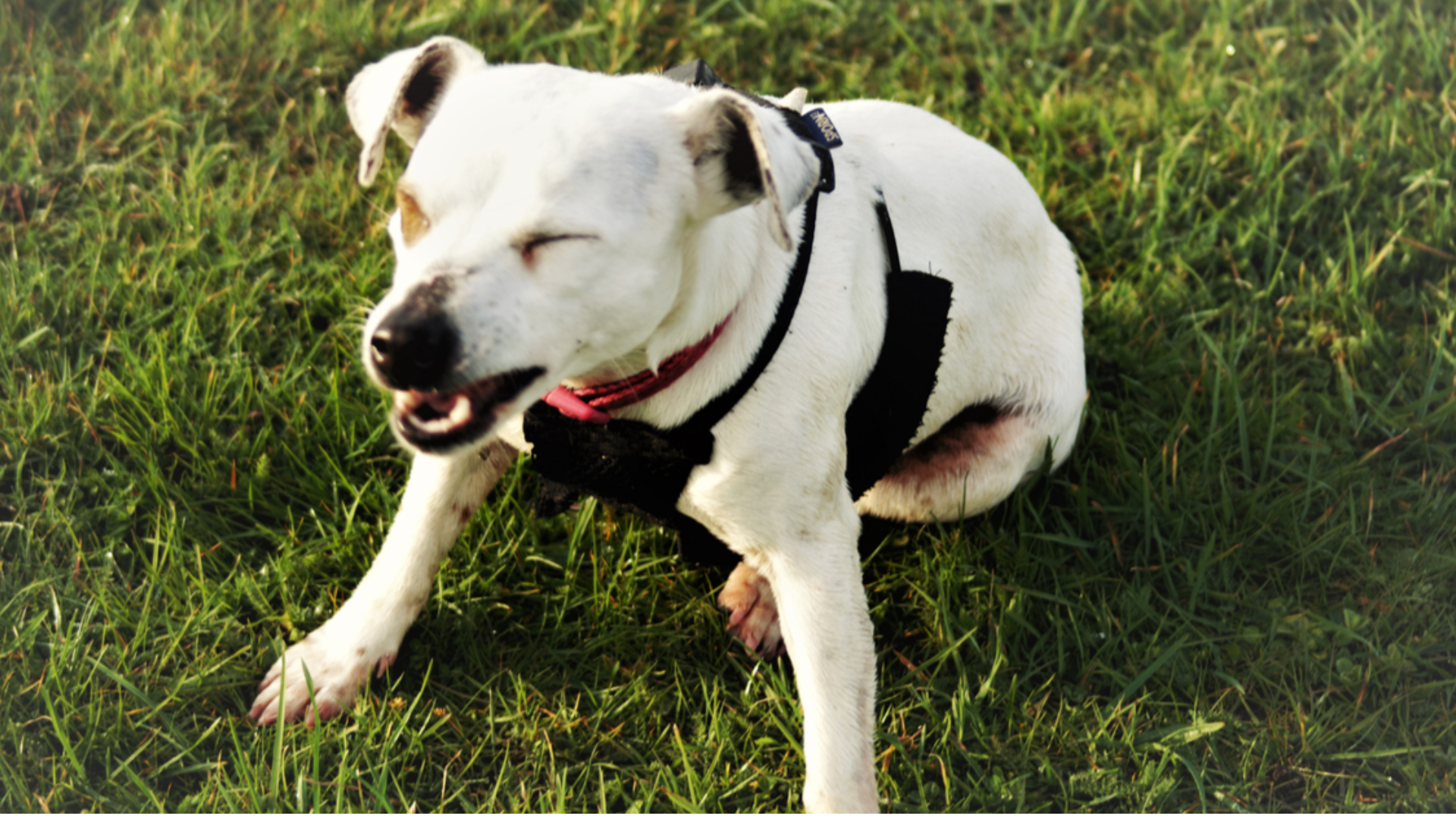
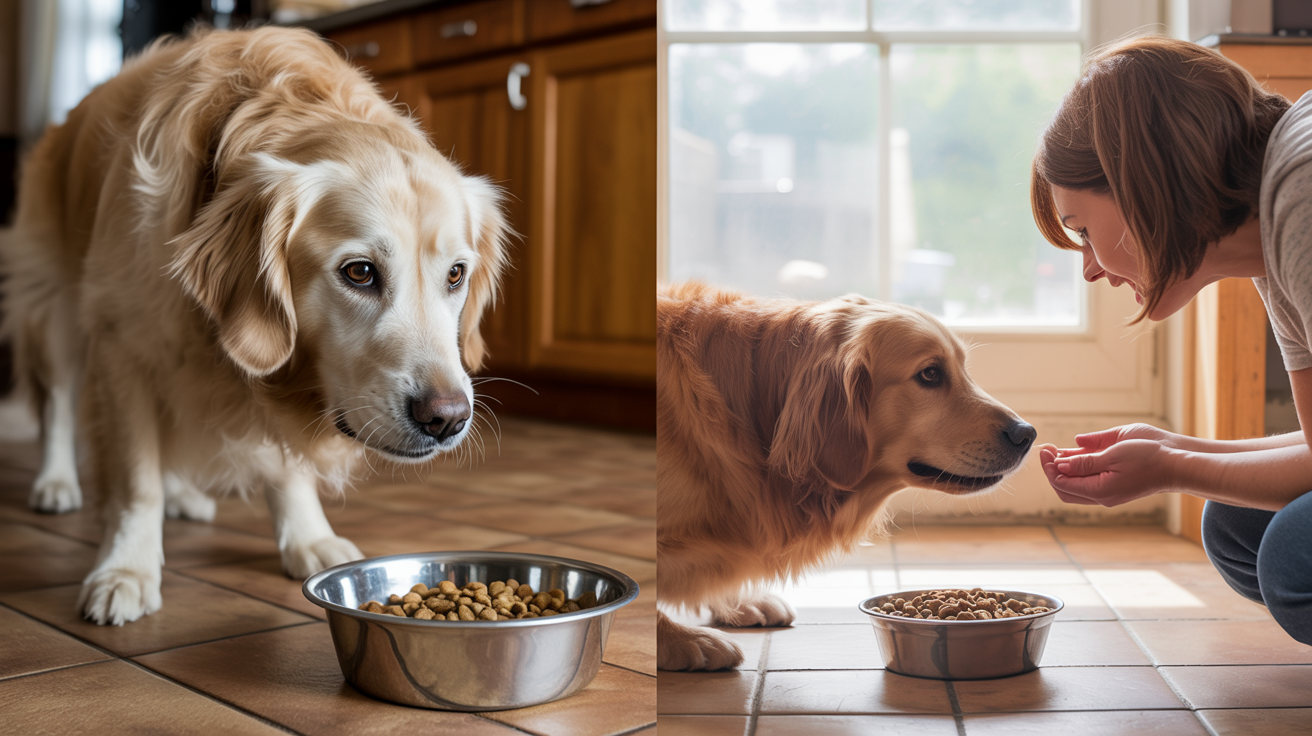
Your dog’s harness doesn’t fit right. It’s either too tight or slipping off completely.
A poor fit can cause discomfort, chafing, or even injury to your dog.
This dog harness size chart breaks down every measurement you will need.
Thousands of pet owners have used these exact steps to get a perfect fit on the first try.
Ready? Let’s get started
How to Measure Your Dog Correctly for a Harness?
Measuring your dog for a harness isn’t difficult; you just need a soft measuring tape, a treat to keep them calm, and a few simple measurements.
Measuring the Neck
Follow these steps to measure your dog’s neck:
- Step 1: Take a soft measuring tape.
- Step 2: Wrap it around the base of your dog’s neck.
- Step 3: Keep it snug but not tight. You should slide two fingers underneath easily.
- Step 4: Note the measurement in inches.
- Step 5: Add one inch to that number for comfort.
Measuring the Chest (Girth)
The chest measurement is the most important one. Here’s how to get it right:
- Step 1: Find the widest part of your dog’s chest, just behind the front legs.
- Step 2: Wrap the measuring tape all the way around that area.
- Step 3: Keep the tape flat against the fur. Don’t pull it too tight.
- Step 4: Write down the number in inches.
- Step 5: Add one to two inches for a comfortable fit.
Always cross-check your dog’s measurements against a dog harness size chart before buying.
Checking Weight and Body Shape
Weight alone doesn’t help you decide on the harness size. Some dogs carry more weight in their chest.
Others have a deep, narrow build. A Greyhound, for example, has a slim waist but a broad chest.
A Bulldog is short but wide all over. That’s why measuring matters more than guessing by breed or weight.
Dog Harness Size Chart by Neck, Chest, and Weight
Finding the right harness size starts with key measurements.
| Size | Neck (in) | Chest (in) | Weight (lbs) | Breeds | Harness Type |
|---|---|---|---|---|---|
| XX-Small | 6–8 | 9–13 | 2–6 | Chihuahua, Yorkie | Vest / Step-In |
| X-Small | 8–10 | 13–17 | 6–12 | Maltese, Pomeranian | Step-In |
| Small | 10–13 | 17–22 | 12–25 | Beagle, French Bulldog | Front-Clip No-Pull |
| Medium | 13–17 | 22–28 | 25–50 | Pug, Border Collie, Cocker Spaniel | Vest / Dual-Clip |
| Large | 17–21 | 28–34 | 50–70 | Lab, Golden, Pit Bull | Back-Clip / Front-Clip |
| X-Large | 21–25 | 34–40 | 70–90 | German Shepherd, Boxer | Dual-Clip |
| XX-Large | 25–29 | 40–46 | 90–110 | Rottweiler | Heavy-Duty Front/Dual-Clip |
| XXX-Large | 29+ | 46+ | 110+ | Great Dane, Mastiff, Newfoundland | Back-Clip |
Note: For obese or underweight dogs, prioritize chest/girth measurement over weight, adjust up/down one size as needed for proper fit.
Common Dog Harness Types and How They Fit
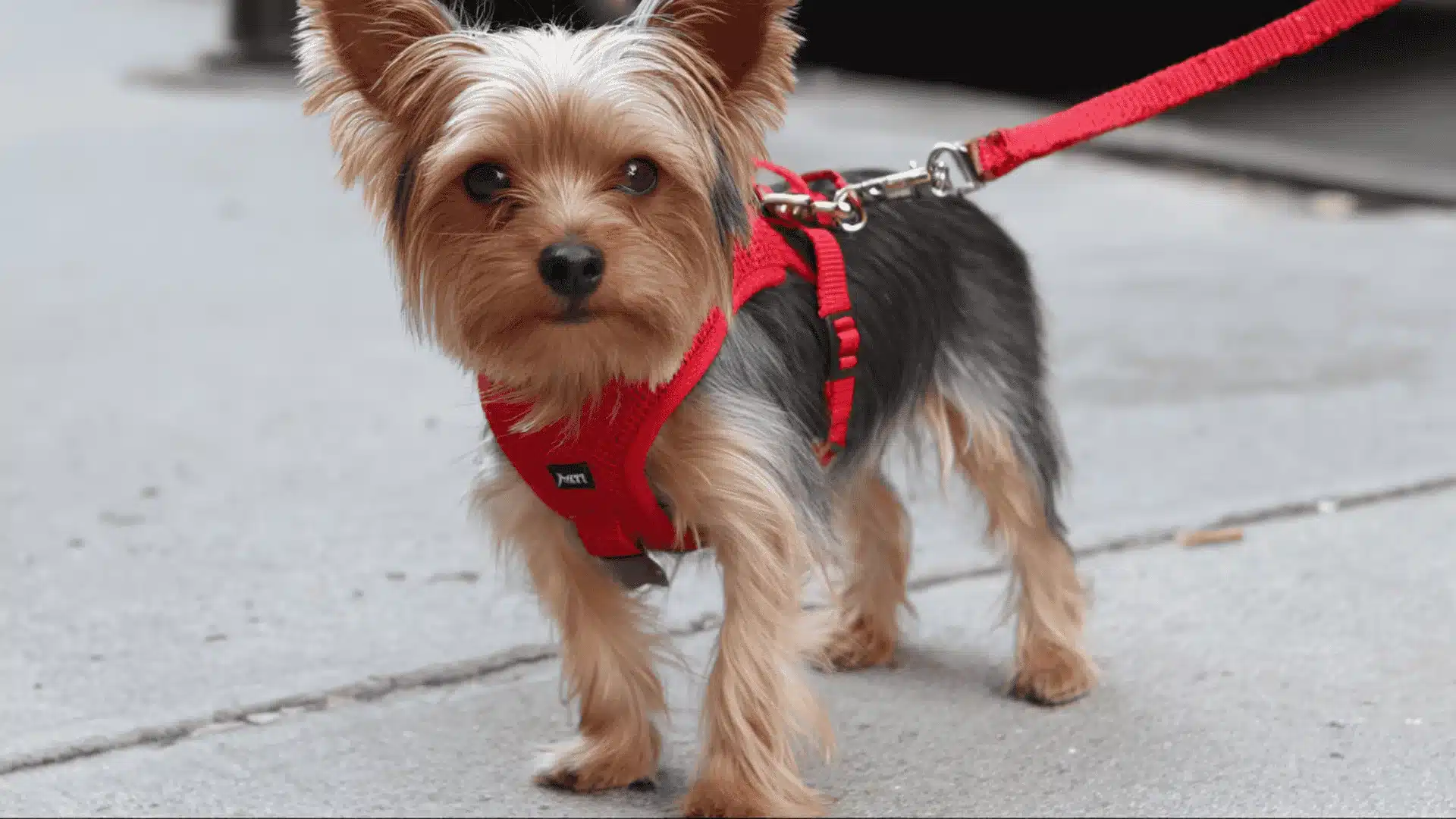
Not all harnesses are built the same way.
Knowing each type helps you pick the right one from any dog harness size chart.
1. Standard Back-Clip Harness
The standard back-clip is the most common harness type. The leash clips to a ring on your dog’s back.
It works well for calm, well-trained dogs. It’s simple to put on and sits comfortably across the chest.
2. Front-Clip No-Pull Harness
The leash attaches to a ring on your dog’s chest. This gives you more control on walks.
The front clip with no full harness is a great choice for dogs that pull hard on the leash.
3. Step-In Harness
The step-in harness is easy to use:
- Your dog steps both front paws into two loops
- You pull the harness up and clip it on the back
- It sits flat against the body with no fuss
4. Dual-Clip Training Harness
This one has two attachment points, front and back.
It gives you flexible control during training sessions. Many trainers prefer the dual clip style for dogs still learning leash manners.
5. Vest Harness
Vest harness covers more of your dog’s body:
- It spreads pressure evenly across the chest and back
- Works well for small dogs or those with neck issues
Dog Harness Size Chart by Breed and Harness Type
Use this size chart as a quick reference guide for your breed.
| Breed | Harness Size | Best Harness Type(s) |
|---|---|---|
| Chihuahua | XX-Small | Vest Harness (padded, no pressure) |
| Yorkshire Terrier | X-Small | Step-In or Vest Harness |
| Pug | Small/Medium | Vest or Front-Clip No-Pull (chest relief) |
| Beagle | Medium | Front-Clip No-Pull (pulling control) |
| Cocker Spaniel | Medium/Large | Dual-Clip Training (versatile adjustability) |
| Labrador Retriever | Large | Front-Clip No-Pull or Standard Back-Clip |
| Golden Retriever | Large/X-Large | Standard Back-Clip (comfort for long walks) |
| German Shepherd | X-Large | Dual-Clip Training (strong pullers) |
| Rottweiler | X-Large/XX-Large | Heavy-Duty Front-Clip or Dual-Clip |
| Great Dane | XXX-Large | Standard Back-Clip (minimal neck pressure) |
How to Choose a Harness for Growing Dogs?
Growing dogs change size fast.
A harness that fits perfectly today may feel too snug in just a few weeks. Always measure your dog’s neck and chest before buying.
Choose a harness with adjustable straps so it can grow with your dog for a little longer.
Re-measure every few weeks, especially during the first year. When straps run out of room, it’s time to go to the next size up.
Most puppies need to be re-sized every 6–8 weeks between ages 2–6 months.
Collar Types That Are Often Confused With Harnesses
Many dog owners mix up collars with harnesses. They look similar but work very differently.
Knowing the difference helps you make a smarter choice for your dog’s comfort and safety.
Side Release (Buckle Dog Collar)
This is a standard flat collar with a plastic clip buckle on the side.
It sits around your dog’s neck and holds ID tags well. But it puts all the pressure on the neck when your dog pulls.
It’s not a harness and doesn’t distribute pressure the way a properly sized harness does.
Buckle Martingale Collar
Here’s what makes a martingale collar different:
- It has two loops instead of one
- The smaller loop tightens gently when your dog pulls
- It never chokes but keeps the collar from slipping off
A harness distributes pulling pressure across the chest and back, while a martingale only controls the neck.
Tweed Range Collar
This is a thicker, more structured collar. It’s often used for working dogs or during outdoor activities.
The tweed material makes it durable and comfortable for everyday wear.
A size chart won’t apply here, since a harness distributes pulling pressure across the chest and back, while a martingale only controls the neck.
Tips for Choosing the Right Harness for Your Dog
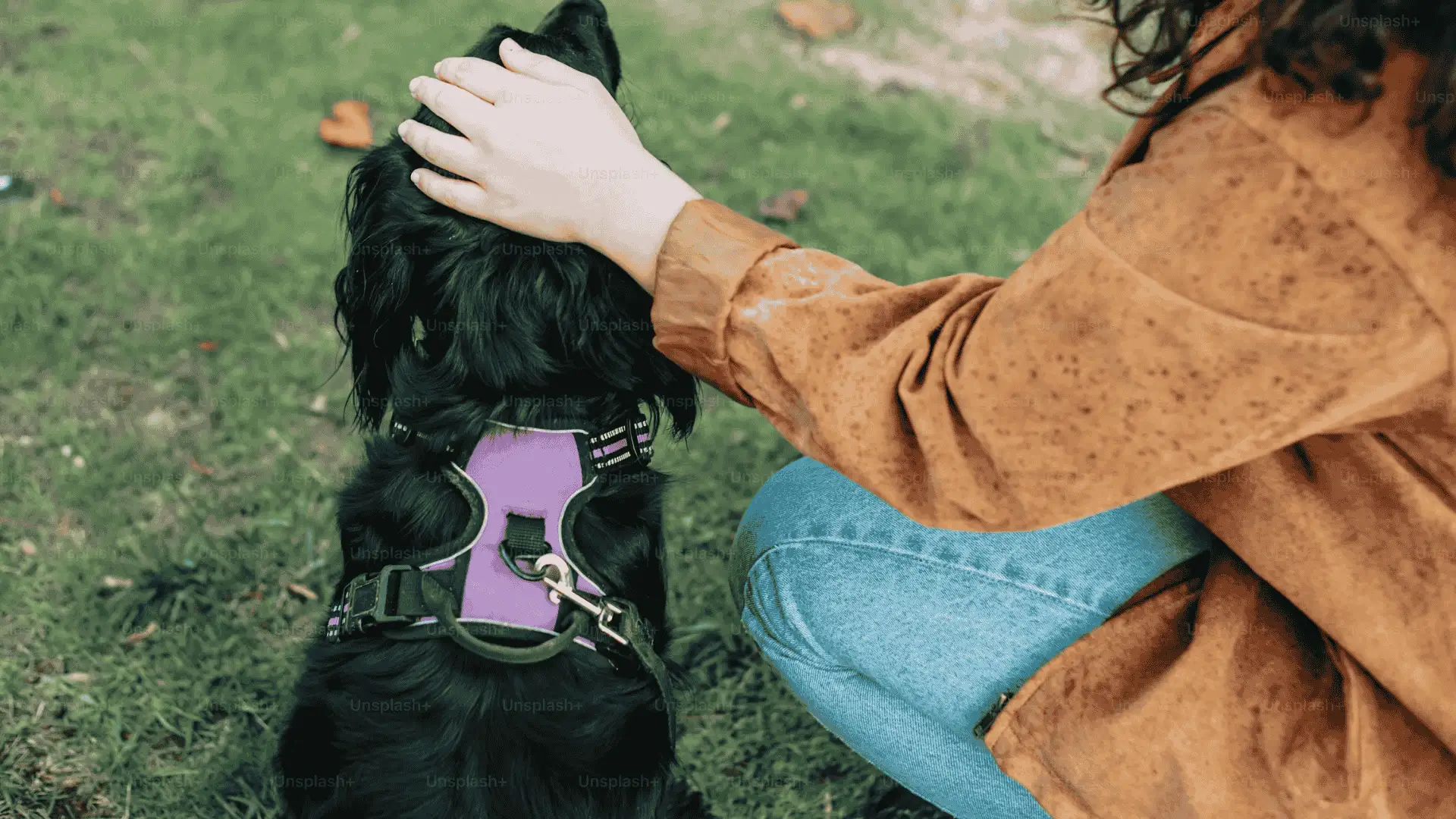
Keep these tips in mind before making your final choice:
- Always measure first, buy second. Never guess your dog’s size. A dog harness size chart is only useful when you have accurate measurements.
- Check the fit after putting it on. You should easily slide two fingers under any strap.
- Watch your dog’s reaction. If they seem uncomfortable or freeze up, the fit isn’t right.
- Pick the harness type based on behavior and not just size.
- Re-measure young dogs often. Puppies grow fast.
Pay attention to whether the front straps sit flat, if they rotate or slide toward the armpit, the chest strap needs tightening.
Ready to Find the Right Fit?
Getting your dog into a comfortable harness doesn’t have to be stressful.
You now know how to measure correctly, read a size chart, and pick the right harness type for your dog’s needs.
Use the dog harness size chart in this blog as your go-to reference. Cross-check your dog’s neck and chest measurements every few months, especially for puppies.
Now it’s your turn. Grab that measuring tape and get started.
Have questions about your dog’s size or harness type? Drop them in the comments below!
Frequently Asked Questions
1. Is a 20 lb Dog Considered Small or Medium?
A 20 lb dog usually falls into the small-to-medium range. Always measure to confirm.
2. Why do Dog Trainers Not Recommend Harnesses?
Some trainers feel harnesses encourage pulling. They prefer collars for better leash control during training sessions.
3. Do Vets Recommend Collars or Harnesses?
Most vets recommend harnesses. They reduce neck strain and are safer for dogs that pull frequently.
4. Is it Better to Walk a Dog With a Collar or Harness?
A harness is generally better for walks. It distributes pressure evenly and protects your dog’s neck.