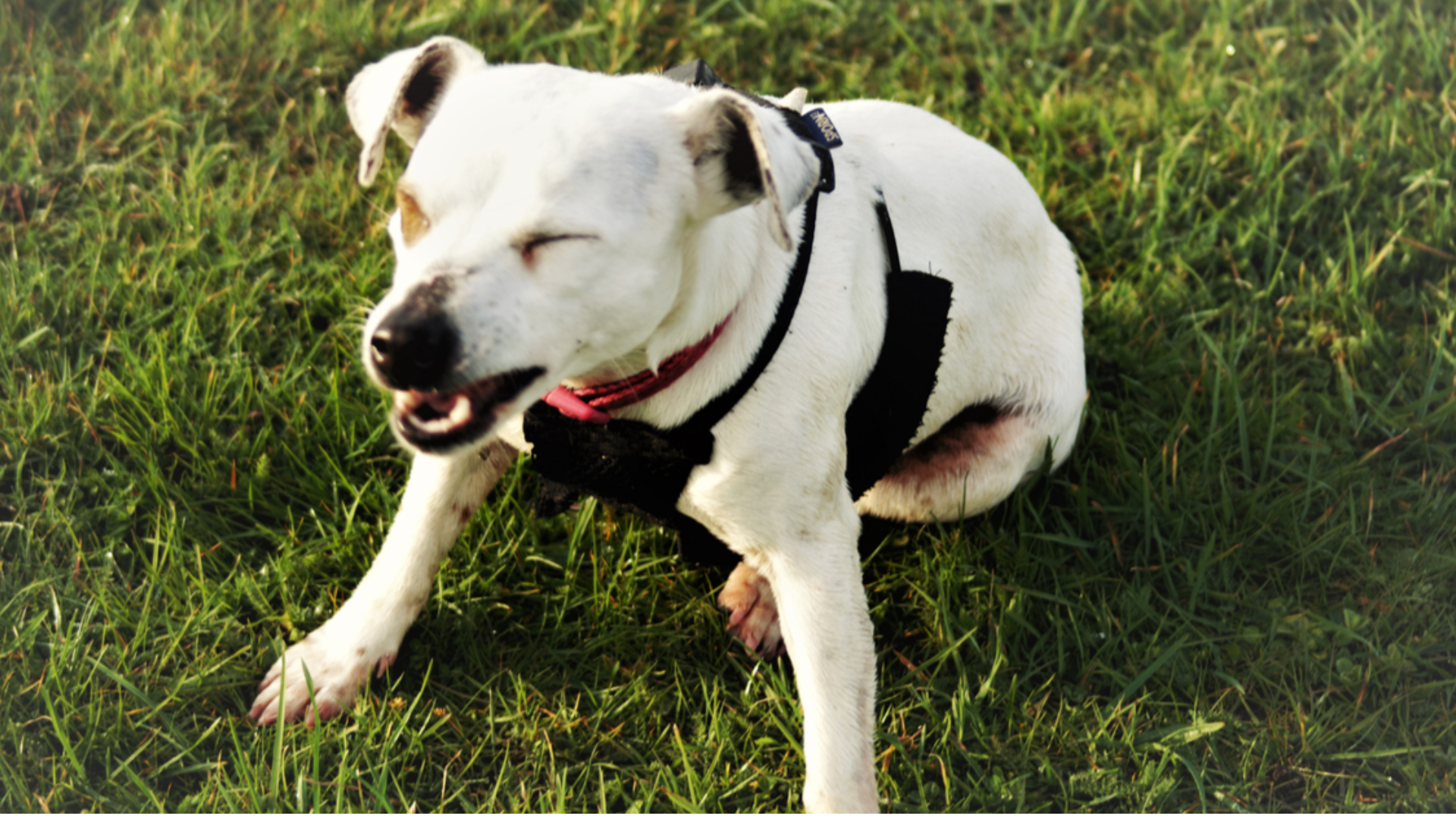
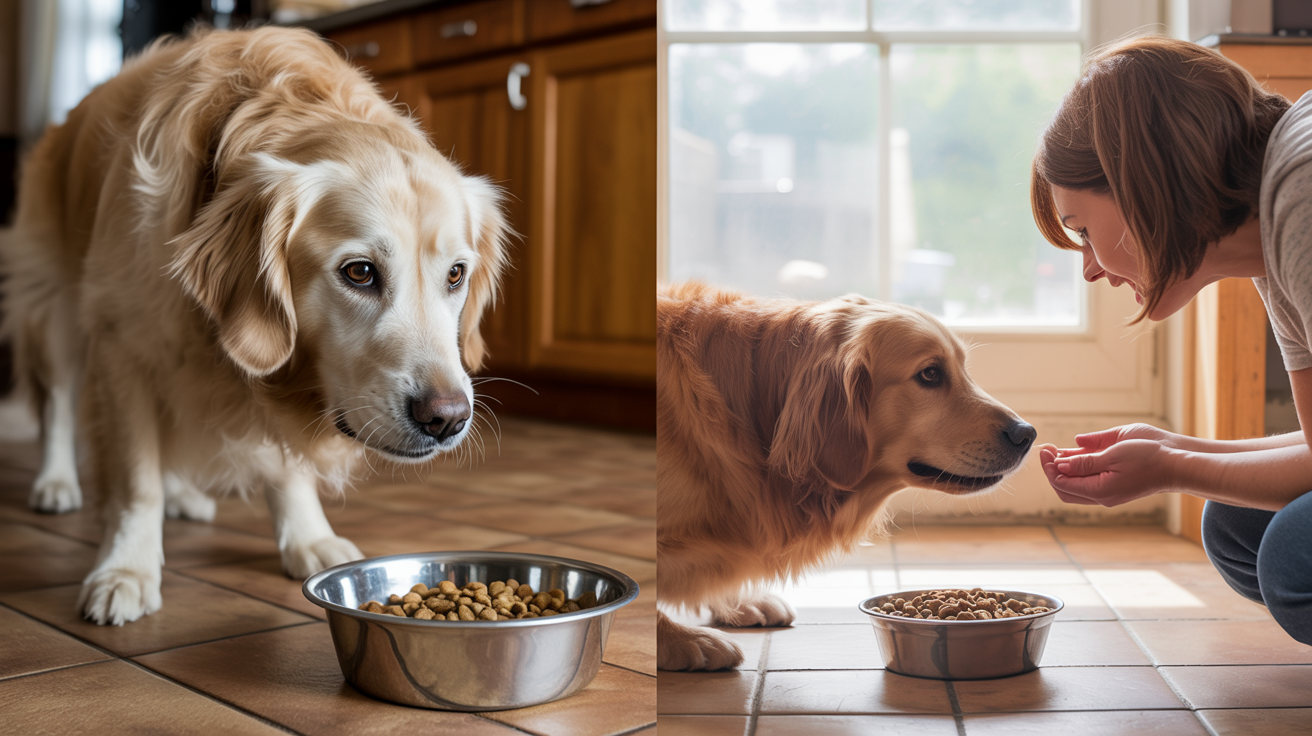
Ever notice your pup acting sluggish or their nose feeling extra dry? Your dog could be dehydrated, and it’s more common than you think.
Recognizing signs of dog dehydration can save your dog’s life.
From checking their gums to simple skin tests, we’ll show you the key signs every owner should know.
Understanding Dog Dehydration (And Why It’s Serious)
Dog dehydration happens when your dog loses more fluids than they take in. It’s serious and can turn deadly fast.
Water keeps organs working and regulates temperature. When water drops, blood thickens, and toxins build up.
Mild dehydration becomes life-threatening within hours, especially in hot weather or during illness. Puppies and seniors face higher risks. Hot weather, exercise, vomiting, and diarrhea speed up fluid loss.
Most owners miss early signs because they look like normal tiredness. By the time symptoms become obvious, it’s dangerous.
Recognizing dehydration helps you act fast.
Early Signs Your Dog Might Be Dehydrated
- The Skin Tent Test: Gently pinch your dog’s neck skin and let go. If it stays tented or returns slowly, that’s a sign of dehydration in dogs.
- Sticky or Dry Gums: Press your dog’s gums; they should be moist and return to pink within two seconds. Sticky, dry gums signal dehydration in dogs.
- Low Energy and Lethargy: Watch for unusual tiredness, excessive panting, decreased interest in play, or loss of appetite.
- Sunken Eyes and Thick Saliva: Look for sunken eyes, thick saliva, and decreased urination. Darker urine needs immediate attention.
- Dry or Warm Nose: A persistently dry, warm nose combined with other symptoms can indicate dog dehydration.
- Loss of Appetite: If your dog refuses food and shows no interest in treats, check for other signs of dehydration immediately.
Moderate to Severe Signs of Dehydration
When dog dehydration progresses beyond the early stage, symptoms become more alarming and require immediate veterinary care.
Excessive Weakness or Collapse
Your dog may struggle to stand or walk. Some dogs collapse completely, unable to support their weight due to severe fluid loss.
Vomiting or Diarrhea
These symptoms cause rapid fluid loss. If your dog can’t keep water down or has ongoing diarrhea, they’re losing fluids faster than they can be replaced.
Rapid or Weak Pulse
Place your hand on your dog’s chest. A racing or barely detectable pulse means their body is struggling to pump thickened blood.
Cold Extremities
Check your dog’s paws and ears. Cold extremities while the body remains warm indicate that blood flow is being redirected to vital organs, a serious sign.
Delayed Capillary Refill
Press your dog’s gums and release. If color takes more than three seconds to return, it indicates poor circulation and critical dehydration.
If you notice any of these signs of dehydration in dogs, skip home treatment and head straight to the emergency vet.
Common Causes of Dehydration in Dogs
Understanding what causes dehydration helps you prevent it before it starts.
1. Everyday Culprits (Heat, Exercise, Illness)
Hot weather is the top cause of dogs losing water through panting. Intense exercise accelerates fluid loss. Vomiting, diarrhea, and fever can quickly deplete fluids.
2. Special Risks for Puppies and Senior Dogs
Puppies dehydrate faster due to smaller fluid reserves and frequent stomach issues. Senior dogs often drink less from mobility problems, dental pain, or kidney issues.
3. Medical Conditions That Increase Risk
Diabetes causes excessive urination. Kidney disease affects water retention. Cancer treatments reduce drinking. Cushing’s disease and hyperthyroidism also increase risk.
4. Lack of Water Access
Empty bowls, frozen water in winter, or knocked-over dishes leave dogs without hydration. Dogs left outside without shade and water face a serious risk.
5. Certain Medications
Diuretics and heart medications increase urination. Ask your vet if your dog’s medication affects hydration levels.
What to Do If You Suspect Dehydration in Your Dog
Quick action matters when dealing with dehydration. Here’s exactly what to do and what to avoid.
What to Do
- Offer small amounts of water frequently: Let them sip every few minutes rather than gulping a full bowl
- Move to a cool area: Get them out of the heat and into shade or air conditioning immediately
- Stop all physical activity: No exercise, play, or walks until they’re rehydrated
- Try ice chips: Some dogs prefer licking ice if they won’t drink water
- Monitor closely: Check gums and skin every 30-60 minutes for improvement
- Contact your vet: Call for guidance, especially if symptoms don’t improve within 1-2 hours
What Not to Do
- Don’t force water: Never pour water down their throat; they could choke or aspirate
- Don’t give human drinks: No Gatorade, Pedialyte, or sports drinks unless your vet approves
- Don’t wait too long: Don’t assume it’ll resolve on its own; dog dehydration can escalate quickly
- Don’t let them overdrink: Too much water at once can cause vomiting or bloat
- Don’t ignore severe signs: If they collapse, won’t drink, or have pale gums, skip home care and go straight to the vet
Treatment Options: From Home Care to Vet Intervention
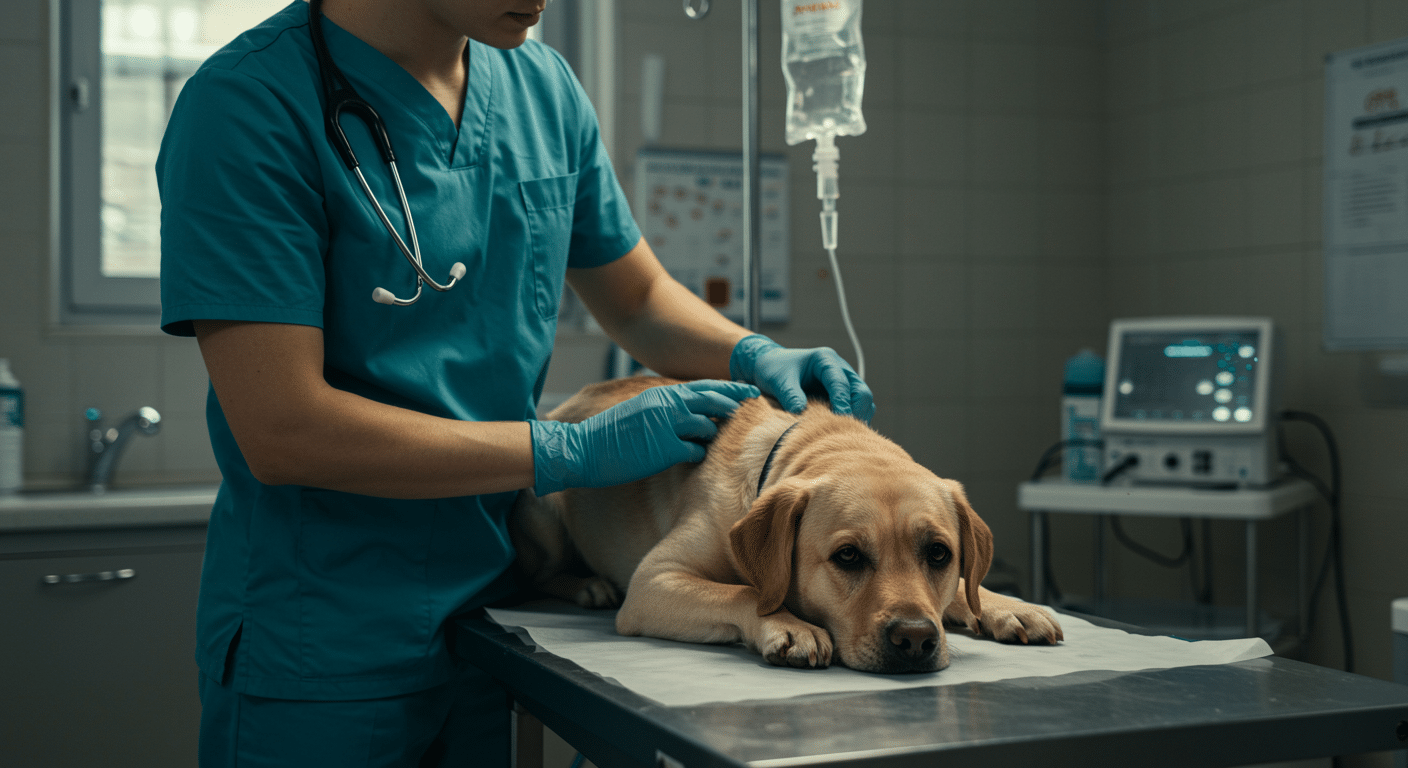
The right treatment for dehydration depends on severity.
Mild Cases: Rehydration at Home
If your dog is alert with only mild symptoms, home care can work.
Provide cool water in small amounts throughout the day. Keep them in a cool environment and monitor gum moisture and energy levels. Water-rich foods like wet dog food also help.
Most dogs recover within 4-6 hours with proper home care.
Severe Cases: What to Expect at the Vet
Veterinary treatment includes:
- IV or subcutaneous fluids: Fast fluid replacement
- Electrolyte correction: Restoring mineral balance
- Blood work: Checking kidney and organ function
- Treating the cause: Addressing vomiting, diarrhea, or illness
- Hospitalization: 24-48 hours for severe cases
Most dogs improve quickly once fluids are administered, but recovery depends on the underlying cause.
How Much Water Does a Dog Need Every Day?
Knowing your dog’s daily water needs helps you spot dog dehydration symptoms early.
A healthy dog needs about one ounce of water per pound of body weight daily. So a 20-pound dog needs roughly 20 ounces (2.5 cups), while a 60-pound dog needs 60 ounces (7.5 cups).
However, this is just a baseline. Dogs need more water during hot weather, after exercise, or when eating dry kibble.
Puppies, nursing mothers, and dogs with medical conditions like diabetes or kidney disease also require increased water intake.
Monitor your dog’s bowl twice daily if it’s consistently empty before refill time; they might need more water.
Check your dog’s water bowl twice daily. If it’s consistently empty well before refill time, they might need more. If it stays full and they’re drinking very little, watch for signs of dehydration and consult your vet.
Prevention Tips Every Dog Owner Should Know
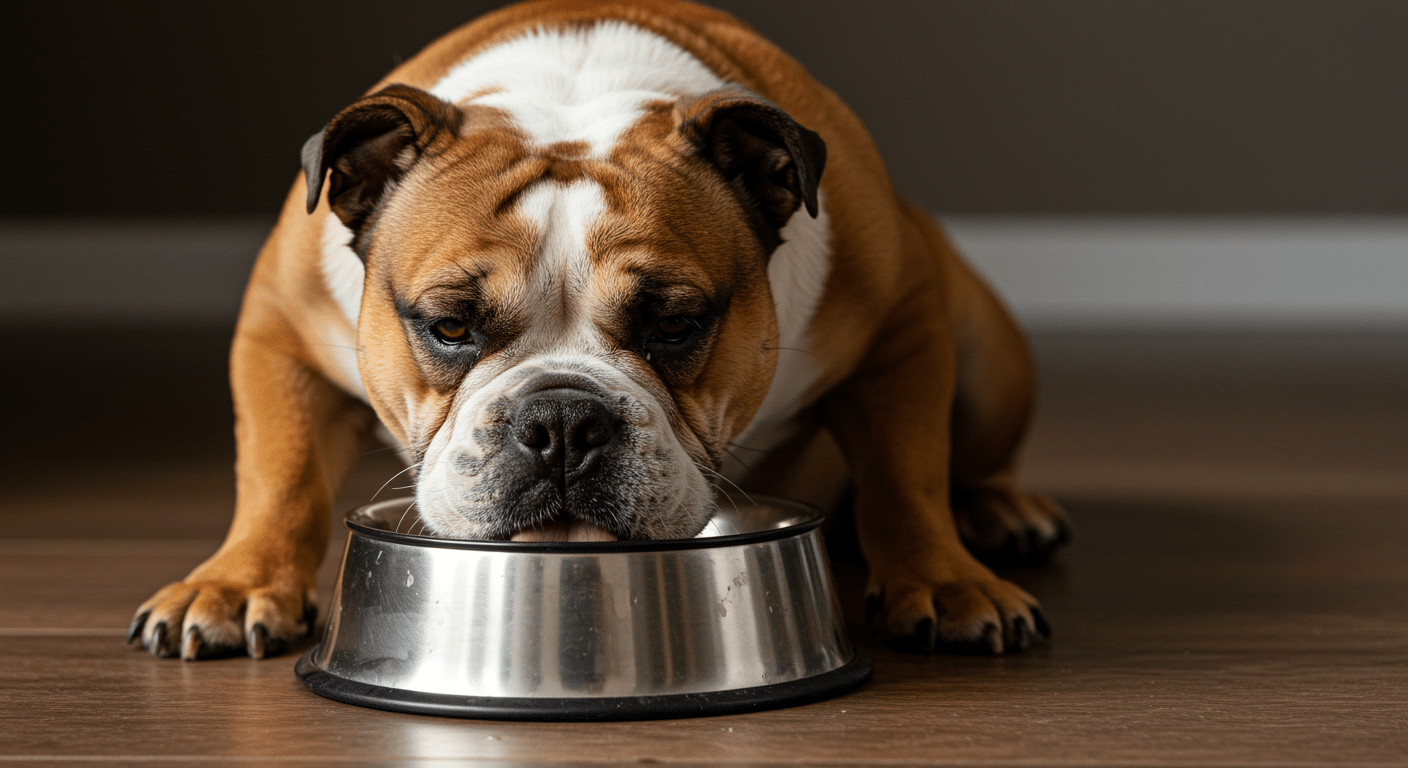
To keep your dog healthy and avoid common problems, follow these simple prevention tips:
- Watch their diet: avoid toxic foods, introduce new foods slowly, and keep seasonings away.
- Prevent overfeeding: Measure portions and limit treats to avoid weight gain.
- Keep your dog hydrated: Fresh water should always be available.
- Avoid digestive upset: Stick to consistent meal times and avoid sudden diet changes.
- Watch for allergies: Stop any food that causes itching, vomiting, or loose stools.
- Store food safely: Refrigerate leftovers and keep kibble in airtight containers.
- Schedule regular vet visits: Early detection prevents bigger health issues.
These quick habits help keep your pup safe, healthy, and thriving.
Keep Your Dog Happy and Hydrated
Recognizing signs of dehydration in dogs isn’t complicated; it just takes attention and the right know-how.
You’ve now got the tools: skin tent tests, gum checks, and behavioral cues that signal trouble.
Most cases are preventable with simple daily habits. Fresh water, regular monitoring, and smart choices during hot weather make all the difference. Your dog depends on you to notice what they can’t tell you.
Check that water bowl right now, do a quick gum test, and make hydration part of your routine. A well-hydrated dog is a healthy, happy dog.