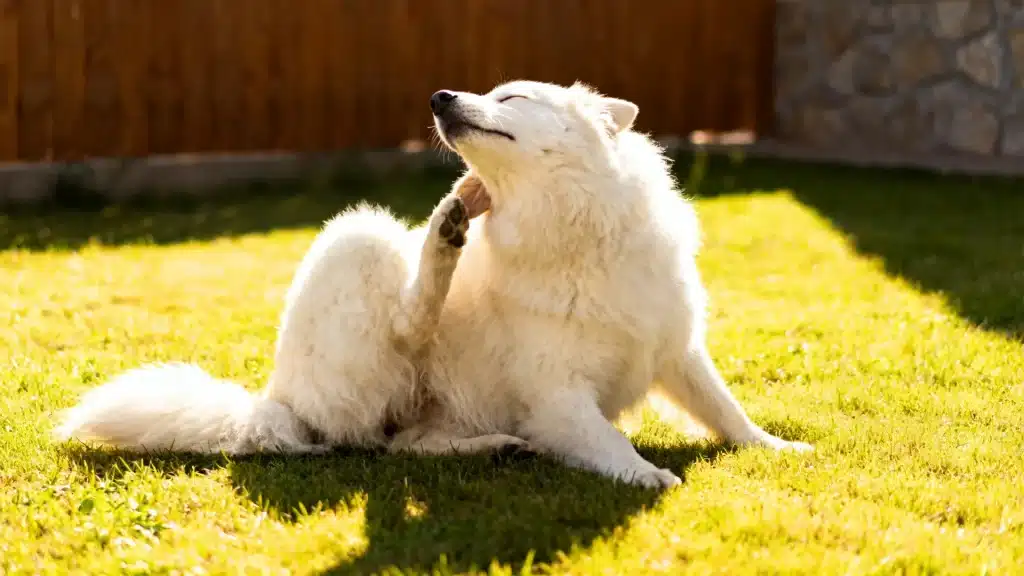
If your dog won’t stop scratching, then they are trying to tell you something.
Yeast infections are often the hidden cause, and you might even realise.
Learning the signs early can save your dog from weeks of discomfort. Read on to find out what causes these infections and how to treat them fast.
What is a Dog Yeast Infection and Why Does it Happens
A dog yeast infection occurs when ayeast grows out of control on your dog’s skin. It’s not a rare condition. In fact, many dogs deal with it at some point in their lives.
Yeast on a Dog’s Skin
Yeast is naturally present on every dog’s skin. In small amounts, it causes no harm.
But when the skin’s natural balance shifts due to moisture, allergies, or a weakened immune system, yeast starts to multiply.
That’s when problems begin.
When Yeast Becomes an Infection
The presence of normal yeast can turn into an infection when something disrupts the skin’s balance.
Here’s what that looks like:
- Overgrowth begins when yeast multiplies faster than the body can control
- The skin barrier weakens, making it easier for yeast to spread
- Inflammation sets in, causing redness, itching, and discomfort
- The infection deepens if left untreated, affecting more skin layers
If your dog has been scratching the same spot for more than a few days, don’t wait. Early treatment stops the infection from spreading further.
Where Dog Yeast Infections Commonly Appear
Yeast thrives in warm, moist areas of a dog’s body. Watch these spots closely.
- Ears: The most common site, especially in floppy-eared breeds
- Paws: Dogs often lick infected paws, making things worse
- Skin folds: Armpits, groin, and neck folds trap moisture easily
- Underbelly: Thin skin and warmth create the perfect environment
- Around the tail: Often overlooked but frequently affected
Types of Yeast Infections in Dogs
Dog yeast infections don’t all look the same. They vary by location and severity. Here’s a quick breakdown:
| Type | Where It Occurs | Key Signs |
|---|---|---|
| Cutaneous Yeast Infection | Skin surface | Redness, itching, flaky skin |
| Yeast Otitis (Ear Infection) | Ear canal | Dark discharge, odor, and head shaking |
| Pododermatitis | Paws and toes | Brown staining, licking, swelling |
| Mucocutaneous Infection | Lips, nose, and around the eyes | Crusty edges, irritation |
| Systemic Yeast Infection | Internal organs | Lethargy, digestive issues, poor coat |
Systemic infections are rare but serious. Always get a proper diagnosis from your vet.
What Causes Yeast Infections in Dogs
Yeast infections don’t just appear out of nowhere.
There’s almost always an underlying reason why yeast starts to grow out of control on your dog’s skin.
The most common triggers are allergies and excess moisture; weakened immunity often follows. When your dog’s body can’t keep yeast in check, it spreads fast.
Other common causes include:
- Allergies: Food or environmental allergies disrupt the skin barrier
- Moisture: Wet skin from swimming or bathing creates the perfect breeding ground
- Antibiotics: These kill good bacteria, letting yeast take over
- Hormonal imbalances: Conditions like hypothyroidism affect skin health directly
- Poor diet: High-sugar diets can feed yeast growth
- Skin injuries: Cuts or hot spots make the skin more vulnerable
How to Recognize Yeast Infection Symptoms in Dogs?
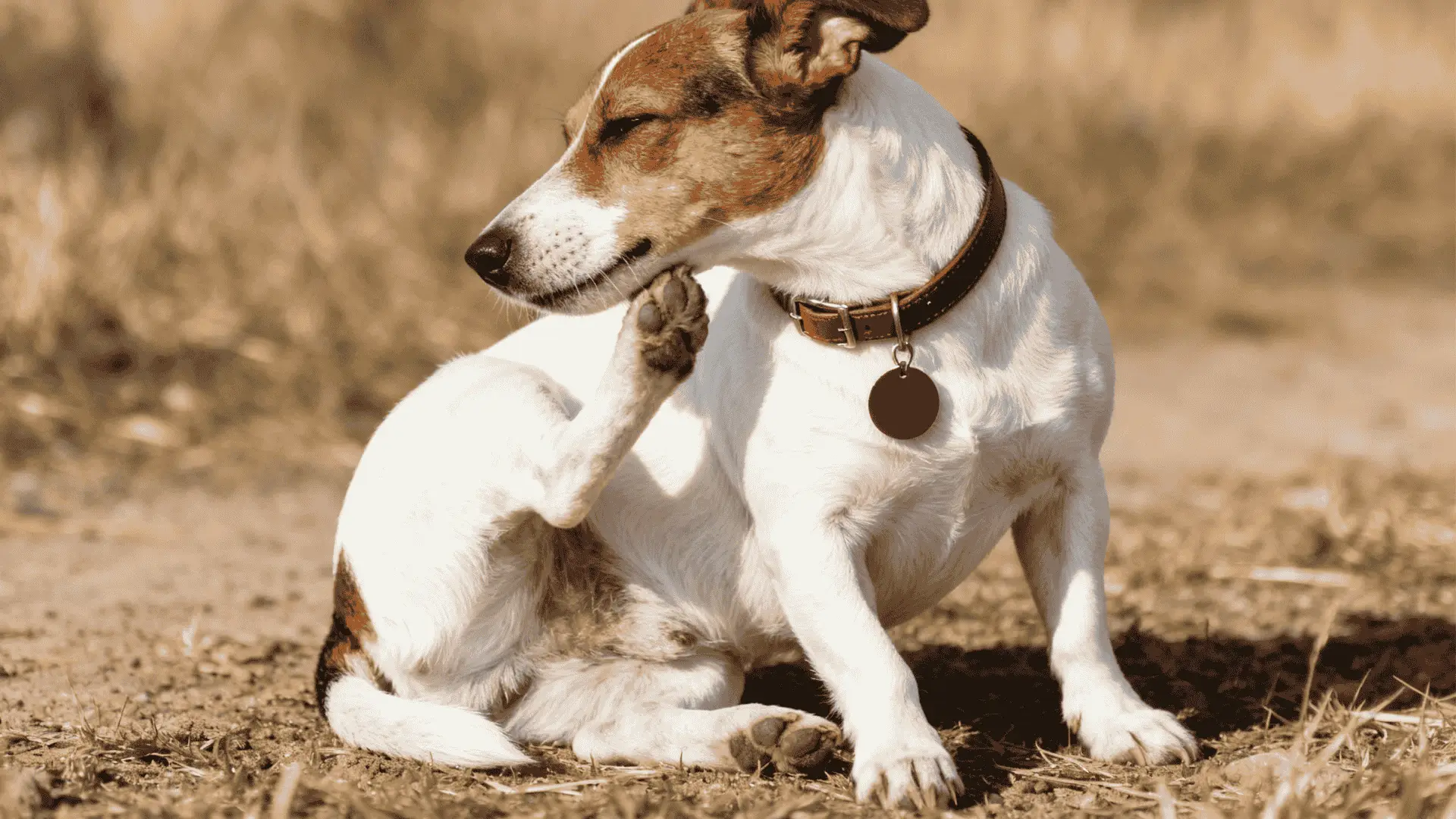
A dog yeast infection can show up in many ways. Some signs are obvious. Others are easy to miss.
1. Persistent Scratching and Skin Irritation
Your dog scratches constantly and rubs against the floor or furniture for relief.
The skin in those areas often looks red, irritated, or swollen.
2. Unusual Odor Even After Bathing
A musty or sour smell coming from the skin or ears is one of the earliest warning signs.
If your dog smells off even after a bath, yeast could be the reason.
3. Ear Discharge with Head Shaking
You may notice brown or yellow discharge inside the ears. Head shaking and tilting are common signs that the ears are affected.
4. Excessive Paw and Belly Licking
Excessive licking of the paws, belly, or groin indicates discomfort.
Over time, that licking causes the fur in those spots to turn reddish-brown.
5. Flaky, Greasy Skin and Hair Loss
The skin may look flaky, crusty, or feel greasy to the touch. In some cases, hair loss appears around the most affected areas.
Dog Breeds More Prone to Yeast Infections
Some dogs are simply more likely to get yeast infections due to their build or coat type. Here’s a quick look:
| Breed | Why They’re Prone | Infection Type |
|---|---|---|
| Basset Hound | Deep skin folds trap moisture | Skin fold infection |
| Cocker Spaniel | Floppy ears limit airflow | Ear infection |
| German Shepherd | Skin sensitivities and allergies | Cutaneous infection |
| Bulldog | Heavy wrinkles hold heat and moisture | Skin fold infection |
| Poodle | Dense coat traps sweat and debris | Cutaneous infection |
| Shih Tzu | Facial folds and long coat | Skin fold & ear infection |
| Labrador Retriever | Love of water keeps skin damp | Paw & ear infection |
| Dachshund | Prone to skin allergies | Cutaneous infection |
Regular grooming and ear checks go a long way for these breeds.
When to See a Veterinarian?
Most mild cases can be managed at home.
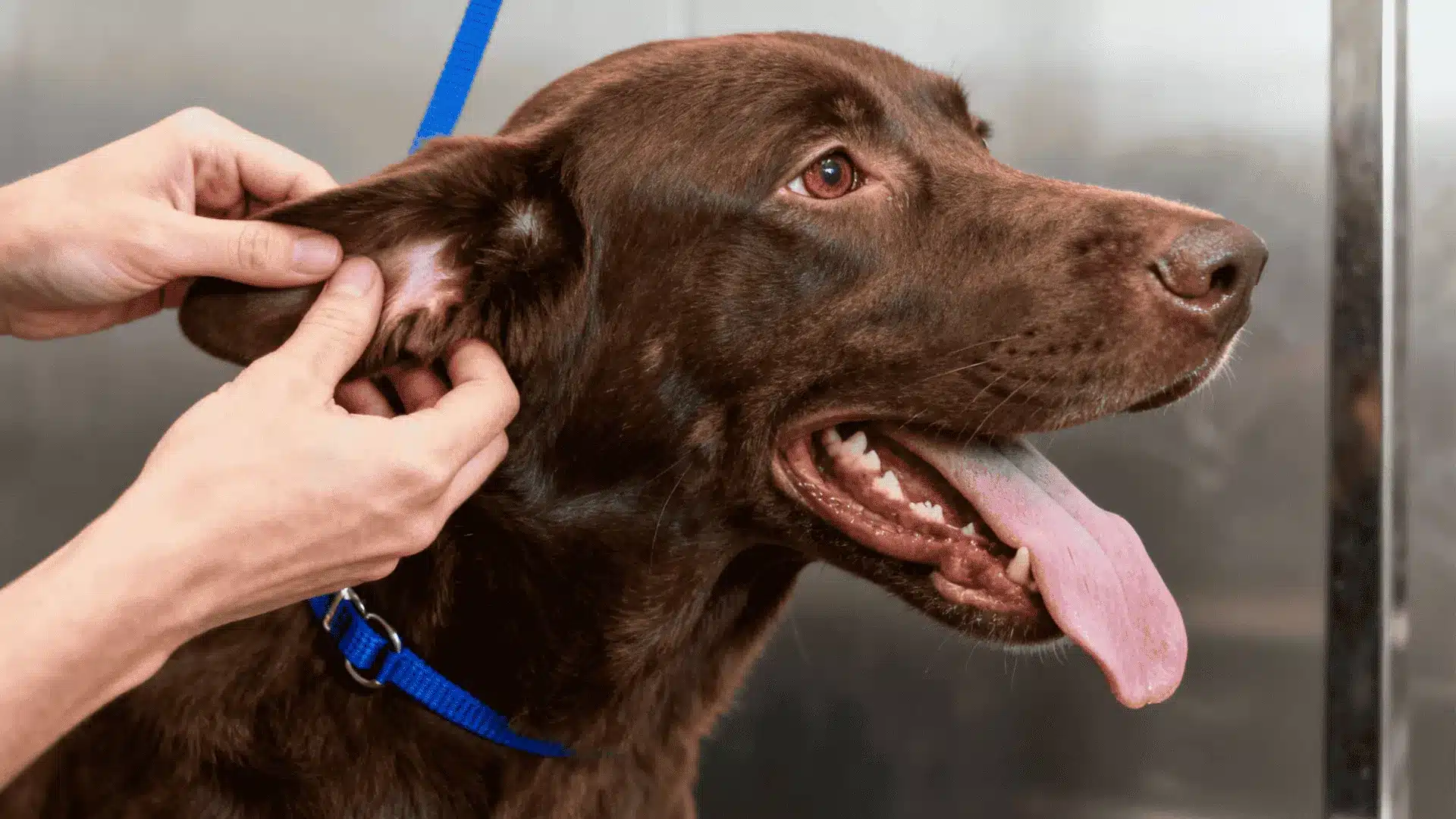
But sometimes, a dog’s yeast infection needs professional attention. See your vet if your dog’s symptoms last more than a week, recur, or worsen.
Also, if your dog is in visible pain or stops eating, don’t delay.
Recurring yeast infections are often a sign of something deeper, like allergies or a hormonal issue. It’s always worth investigating.
Treatments for Dog Yeast Infections
Vets typically treat yeast infections based on where they appear and how severe they are. No two cases are exactly alike, so treatment plans can vary widely.
For skin infections, antifungal creams or medicated shampoos are usually the first-line treatment.
They work directly on the affected area and help bring down inflammation quickly.
Ear infections often require prescription ear drops with both antifungal and antibacterial properties.
In more serious or recurring cases, oral antifungal medication may be prescribed. These work from the inside out and are typically used when topical treatments alone aren’t enough.
Your vet may also run tests to find the root cause. Treating the infection without addressing the trigger often leads to the same problem coming back.
Home Remedies That May Support Recovery
These remedies won’t replace veterinary treatment, but they may help ease your dog’s discomfort during recovery from a dog yeast infection:
- Rinse affected paws with a diluted apple cider vinegar solution to reduce yeast growth
- Apply plain, unsweetened yogurt to irritated skin areas for probiotic support
- Switch to a hypoallergenic or novel protein diet if allergies contribute
- Keep affected areas clean and completely dry at all times
- Use a gentle coconut oil application to soothe irritated skin patches
Always contact your vet before using any home remedy or medicated cream; without their guidance, the condition might worsen.
Prevent Yeast Infections in Dogs
A little consistent care goes a long way. Here’s what you can do:
- Ear Care: Clean and dry your dog’s ears after every swim or bath session
- Skin Checks: inspect skin folds and paws weekly for moisture, redness, or irritation
- Diet Control: Feed a balanced, low-sugar diet to keep yeast levels naturally in check
- Vet Visits: schedule regular checkups so early signs don’t go unnoticed
- Grooming Routine: brush and groom frequently to keep the coat clean and dry
Difference Between Ear Mites and a Dog Ear Yeast Infection
These two conditions look similar but need very different treatments. Here’s how to tell them apart:
| Feature | Ear Mites | Yeast Infection |
|---|---|---|
| Discharge color | Dark brown or black | Yellow or brown |
| Smell | Little to no odor | Strong, musty odor |
| Cause | Parasites | Fungal overgrowth |
| Affected dogs | Often younger dogs | Any age |
| Contagious | Yes | No |
| Skin irritation | Around the outer ear | Inside the ear canal |
| Treatment | Anti-parasitic medication | Antifungal treatment |
Note: Only a vet can give you a confirmed diagnosis. Don’t treat without prescribed medication.
Final Thoughts on Keeping Your Dog Yeast-Free
Yeast infections are uncomfortable for your dog, but they are entirely manageable. You now know the signs to watch for, the triggers to avoid, and the treatment options available.
The key takeaway here is simple: don’t ignore the early signs. A little attention goes a long way in keeping your dog healthy and comfortable.
Have you dealt with a yeast infection in your dog before?
Share your experience in the comments below. Your story might help another dog owner out.
Frequently Asked Questions
1. What Naturally Kills Yeast in Dogs?
Apple cider vinegar, coconut oil, and plain yogurt can help reduce yeast growth when used consistently.
2. What Food Causes Yeast in Dogs?
Foods that can trigger underlying allergies (e.g., chicken, grains) in sensitive dogs can also feed yeast and trigger an overgrowth.
3. What Makes Yeast Infections Worse in Dogs?
Moisture, poor diet, antibiotics, and untreated allergies can all make a yeast infection significantly worse over time.
4. What Deficiency Causes Itching in Dogs?
A lack of zinc, omega-3 fatty acids, or vitamin E can lead to persistent skin itching.
5. Can Yeast Live on Dog Beds?
Yes. Yeast can survive on dog beds, so washing them regularly is strongly recommended.