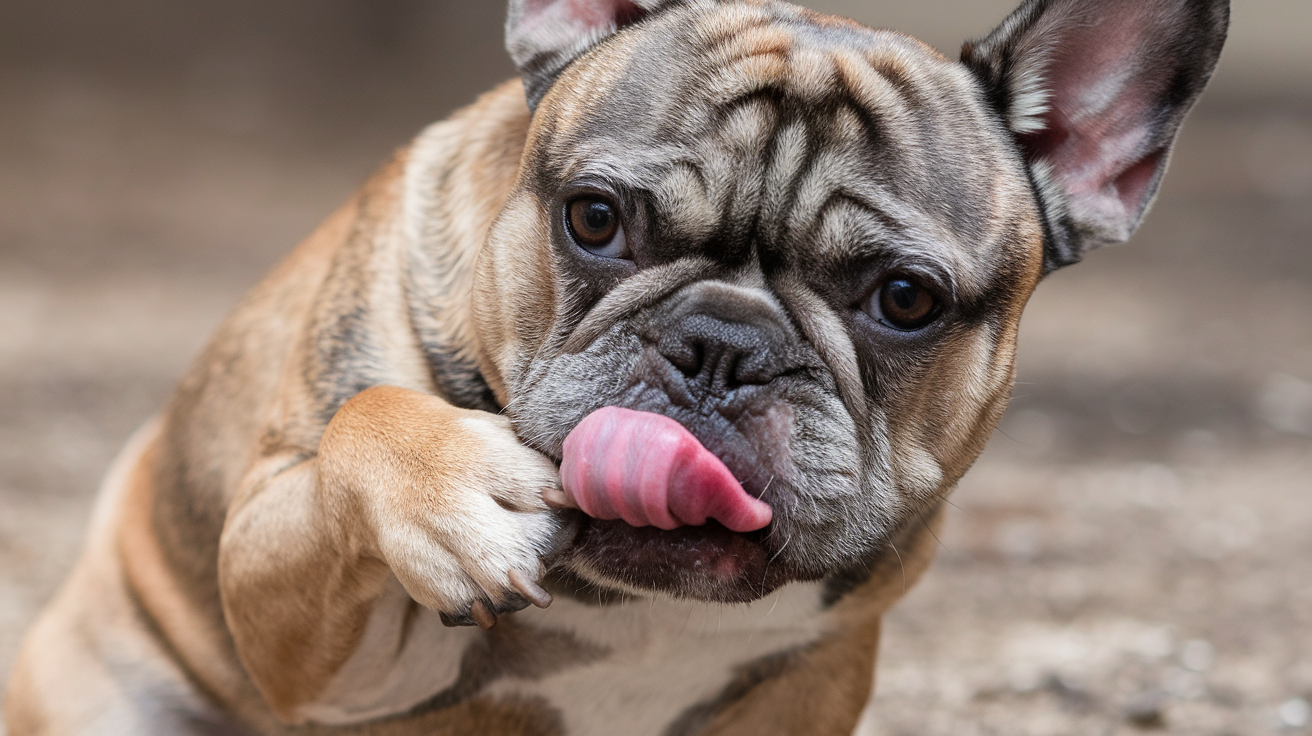

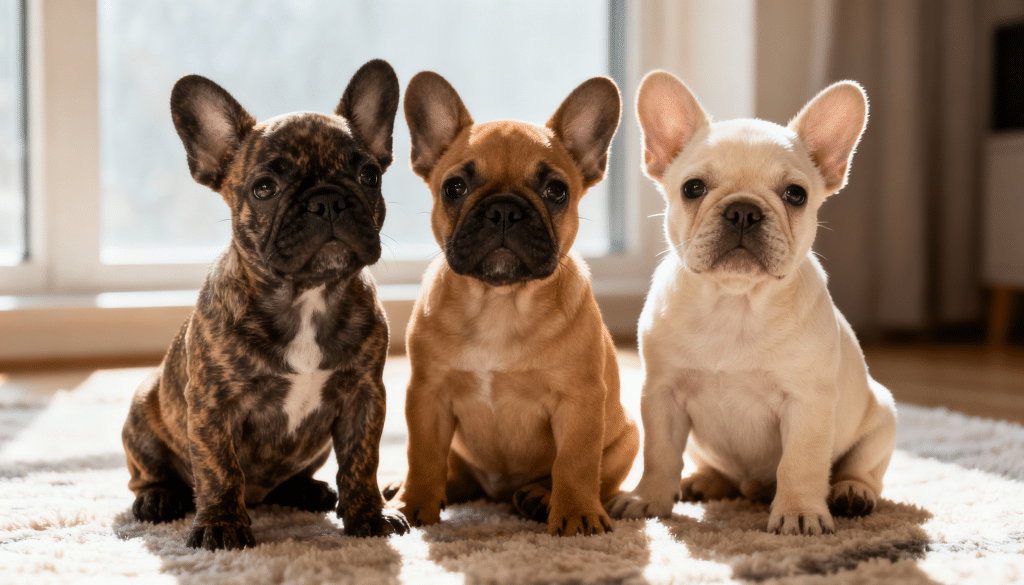
You’ve probably noticed them at the dog park. Those compact, bat-eared dogs with coats that range from classic cream to eye-catching blue.
But here’s what most people don’t realize: not all French Bulldog colors are created equal.
Kennel clubs accept some, while others exist in a gray area.
And certain shades? They come with health risks that breeders won’t always mention upfront. Let’s break down what you really need to know.
Know About French Bulldog Color
French Bulldogs come in a surprising variety of coat colors, and each one tells a story about genetics.
The color you see isn’t random. It’s the result of specific genes passed down from both parents.
Think of it like mixing paint. Some genes are dominant and show up easily. Others are recessive and only appear when a puppy gets the same gene from both parents.
Eumelanin creates black, blue, and chocolate pigments, while pheomelanin produces fawn and cream tones.
The American Kennel Club has specific standards for what it considers acceptable.
But genetics don’t follow rulebooks, which is why you’ll see Frenchies in colors that aren’t officially recognized.
So what separates standard colors from those that fall outside the guidelines?
Standard French Bulldog Colors
These are the colors recognized by major kennel clubs. They represent the traditional look of French Bulldogs and have been part of the breed for generations.
1. Brindle
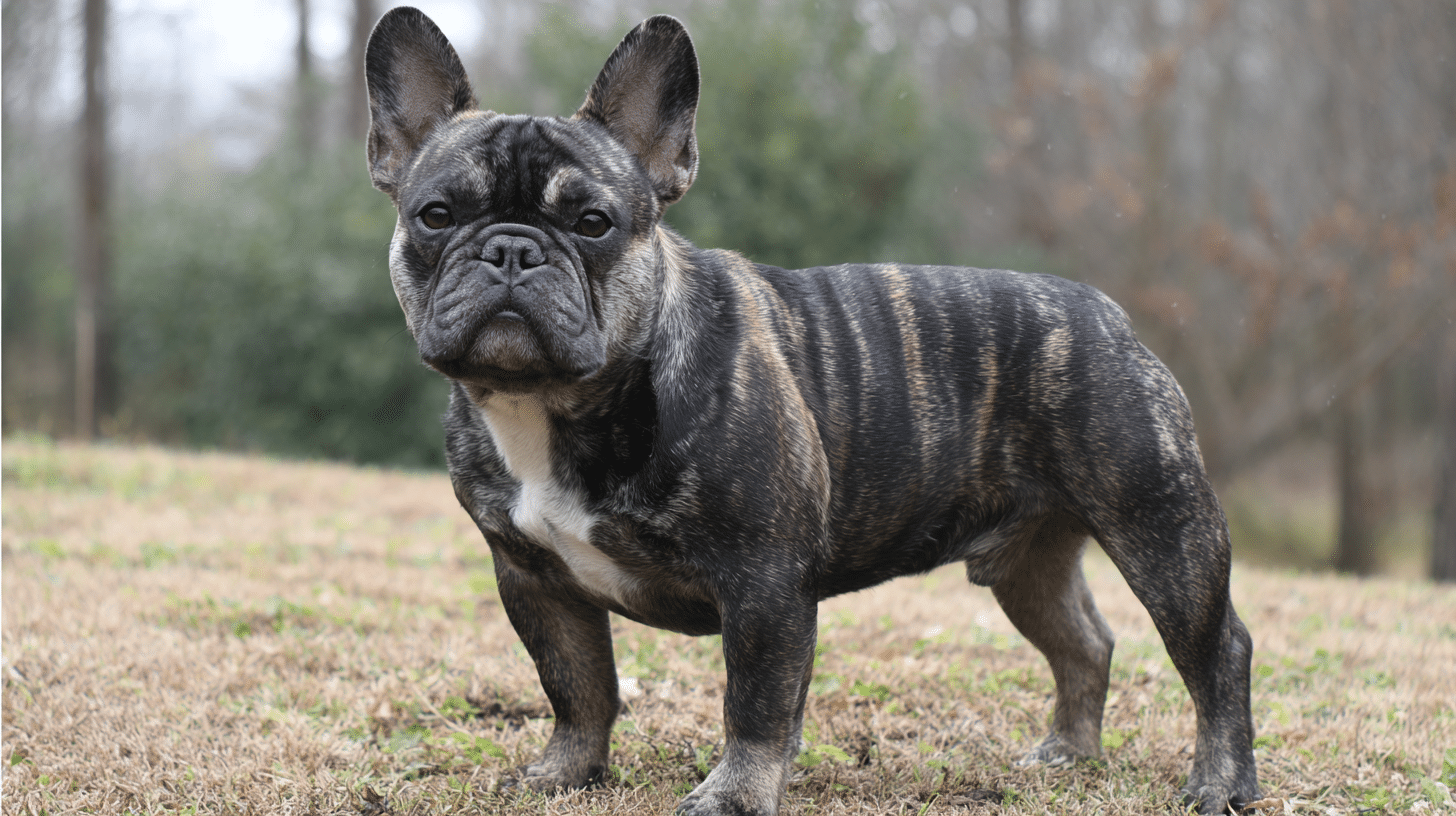
Brindle features a mix of dark and light hairs that create a tiger-stripe effect. The base is typically fawn with black striping.
Some have heavy striping that makes them appear almost black, while others show more fawn with subtle streaks.
The pattern comes from a dominant gene, which is why it shows up so frequently.
2. Fawn
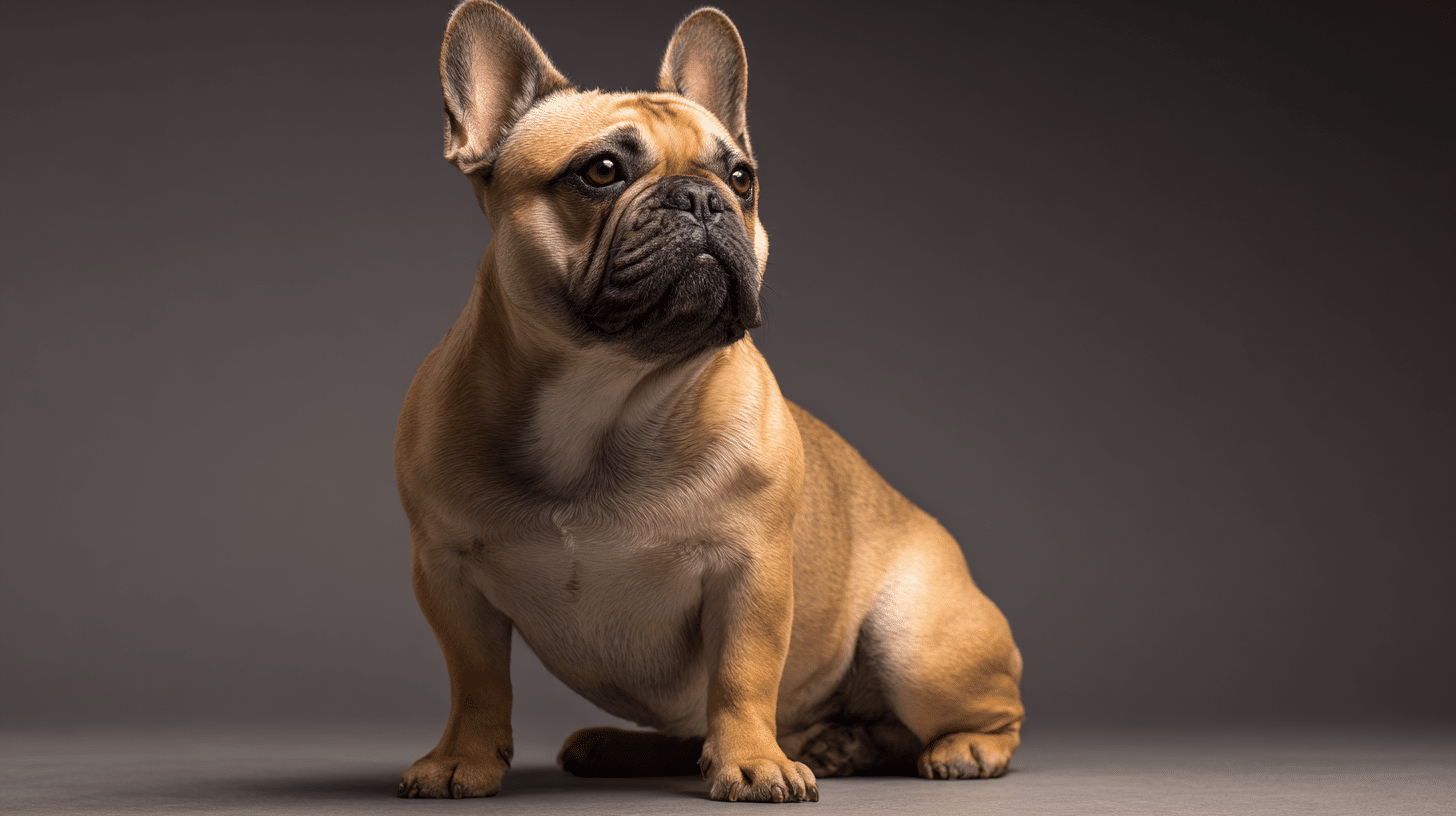
Fawn ranges from light tan to deep reddish-brown. These Frenchies usually have a black mask on their face and darker ears.
Some have black shading along their back. The gene is recessive but extremely common in the breed.
3. Cream
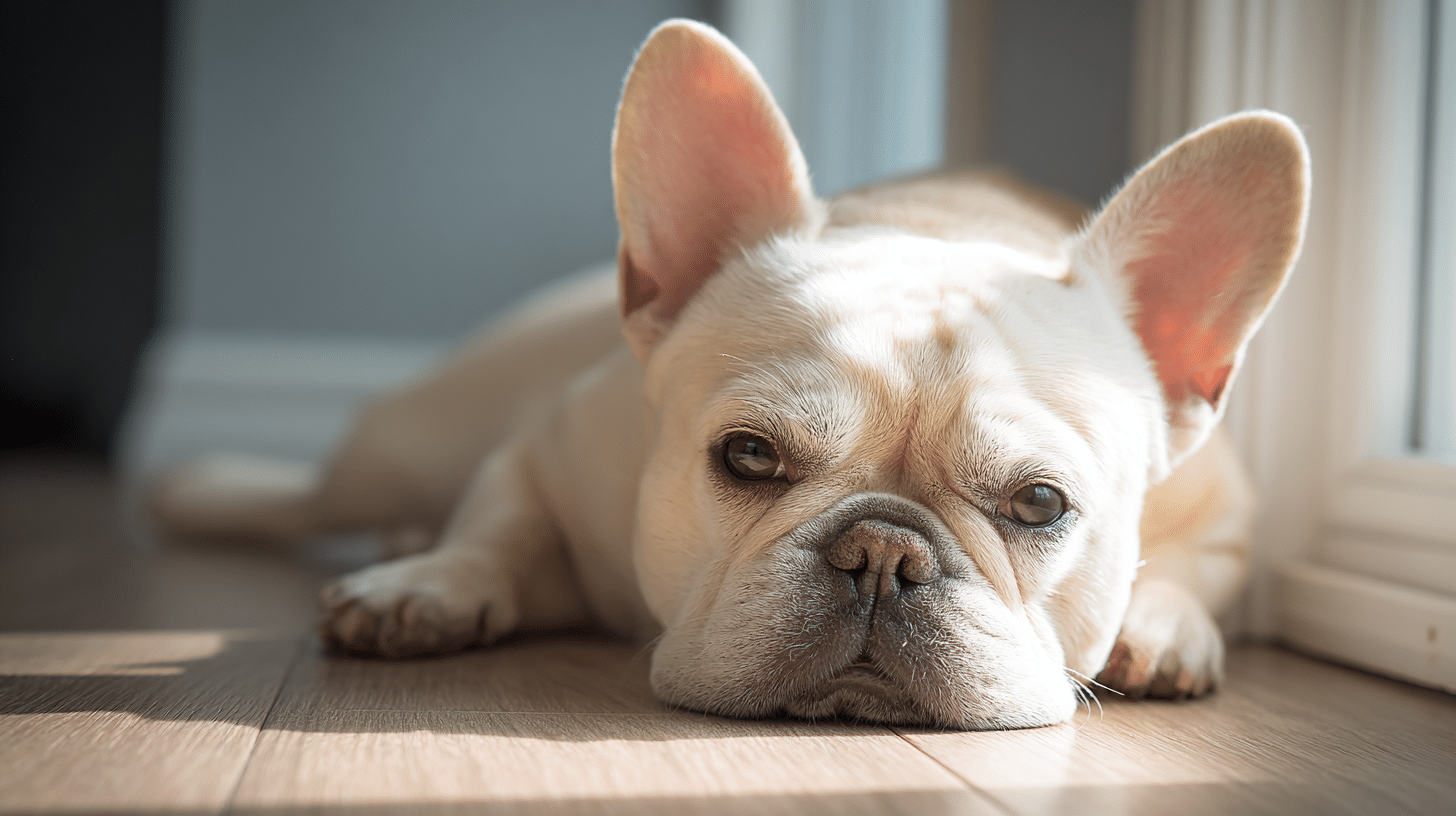
Cream has an almost off-white appearance without the reddish tones of fawn. These dogs have soft, pale coloring across their body. True cream dogs don’t have a black mask.
Both parents need to carry the gene for cream puppies to appear.
4. White
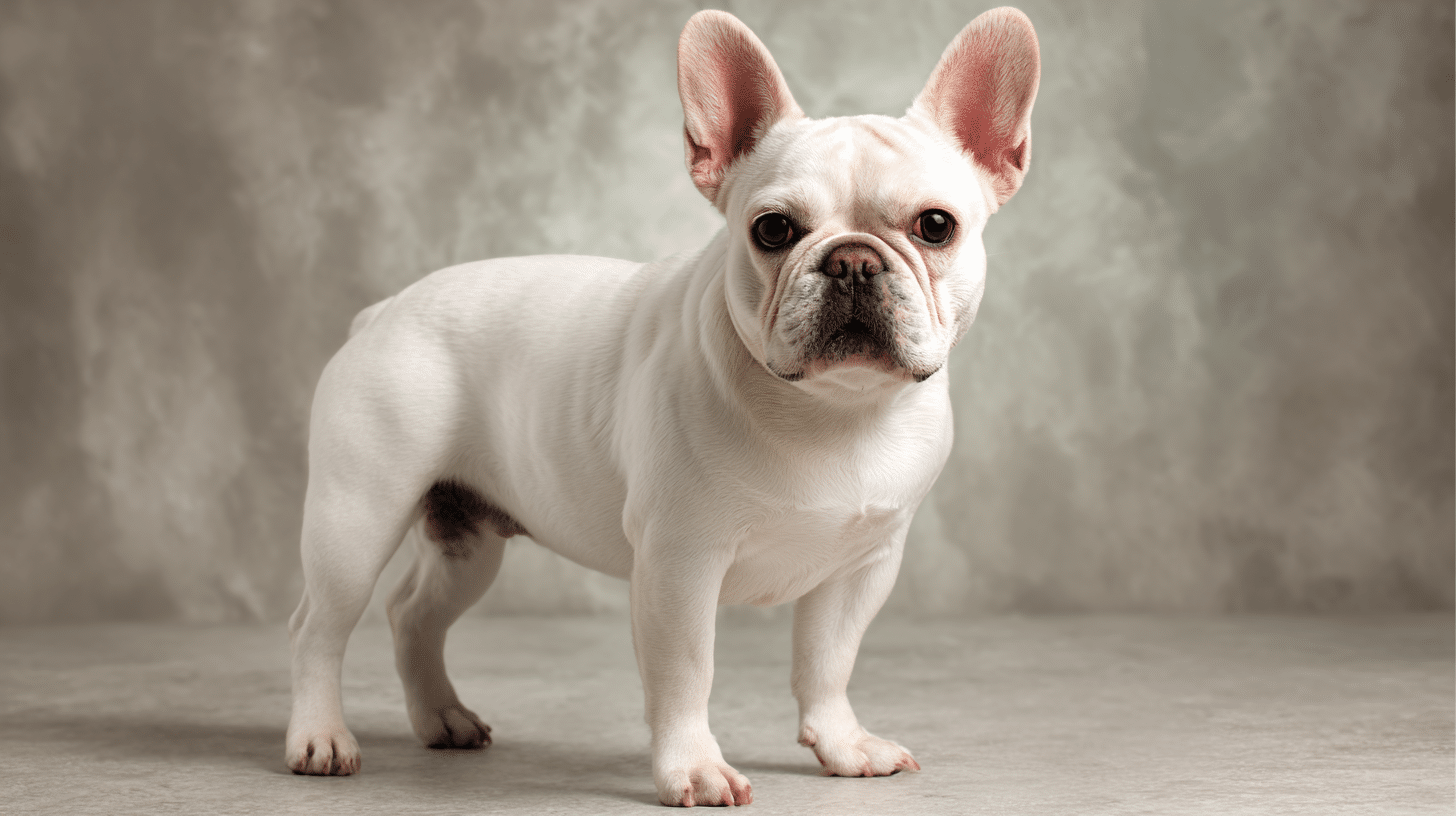
White French Bulldogs have a predominantly white coat with minimal color markings.
They might have small patches of brindle or fawn around the ears or back. These dogs are technically pied with extreme white spotting.
White Frenchies are more prone to deafness because the genes that create white coats can affect inner ear development.
5. Fawn With Mask
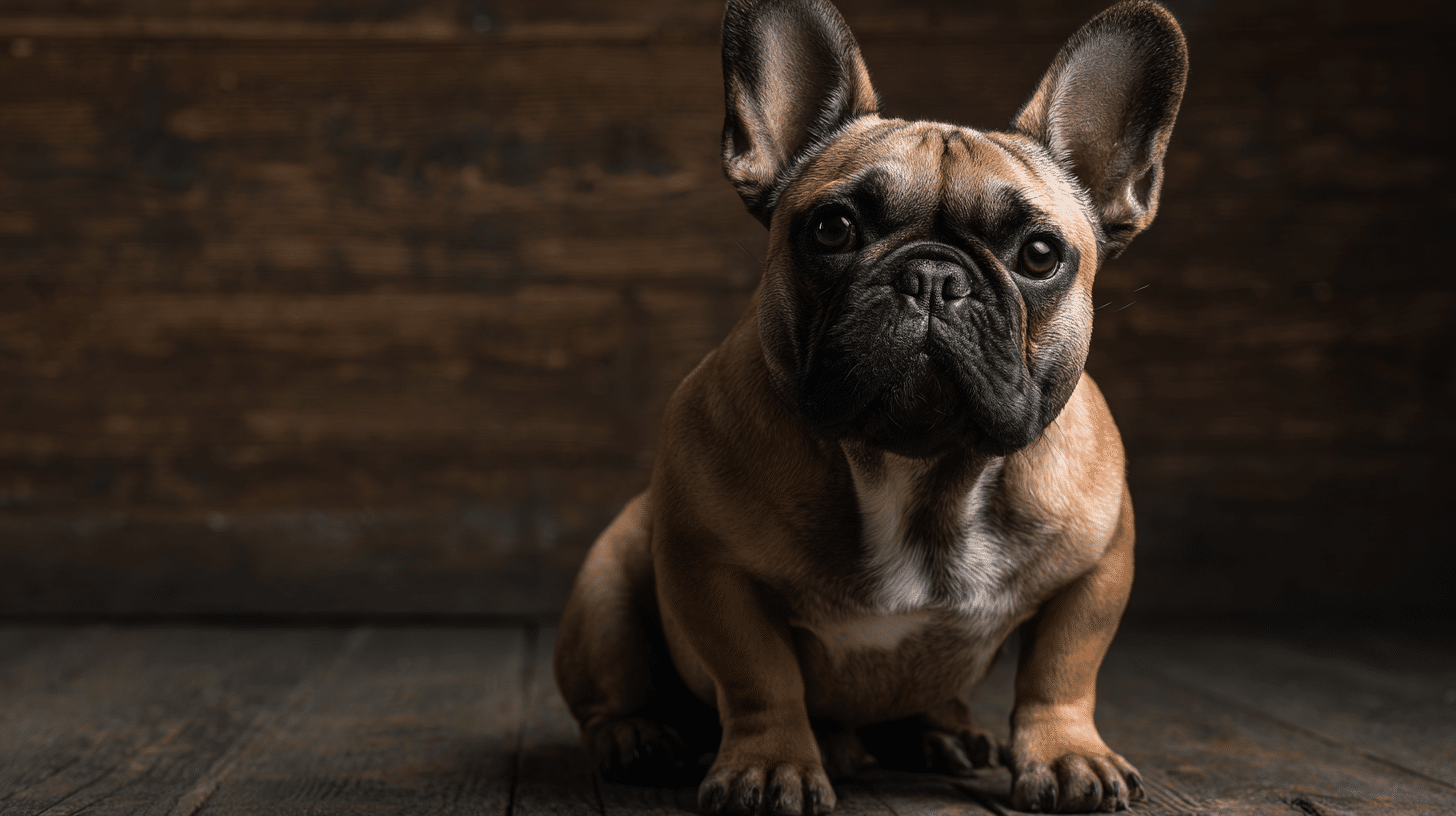
The body is fawn colored with a distinct black mask covering the muzzle and eyes.
The mask should be well-defined and symmetrical, extending from the nose through the forehead. This coloring highlights the breed’s facial features and makes their wrinkles stand out.
6. Brindle With White Markings
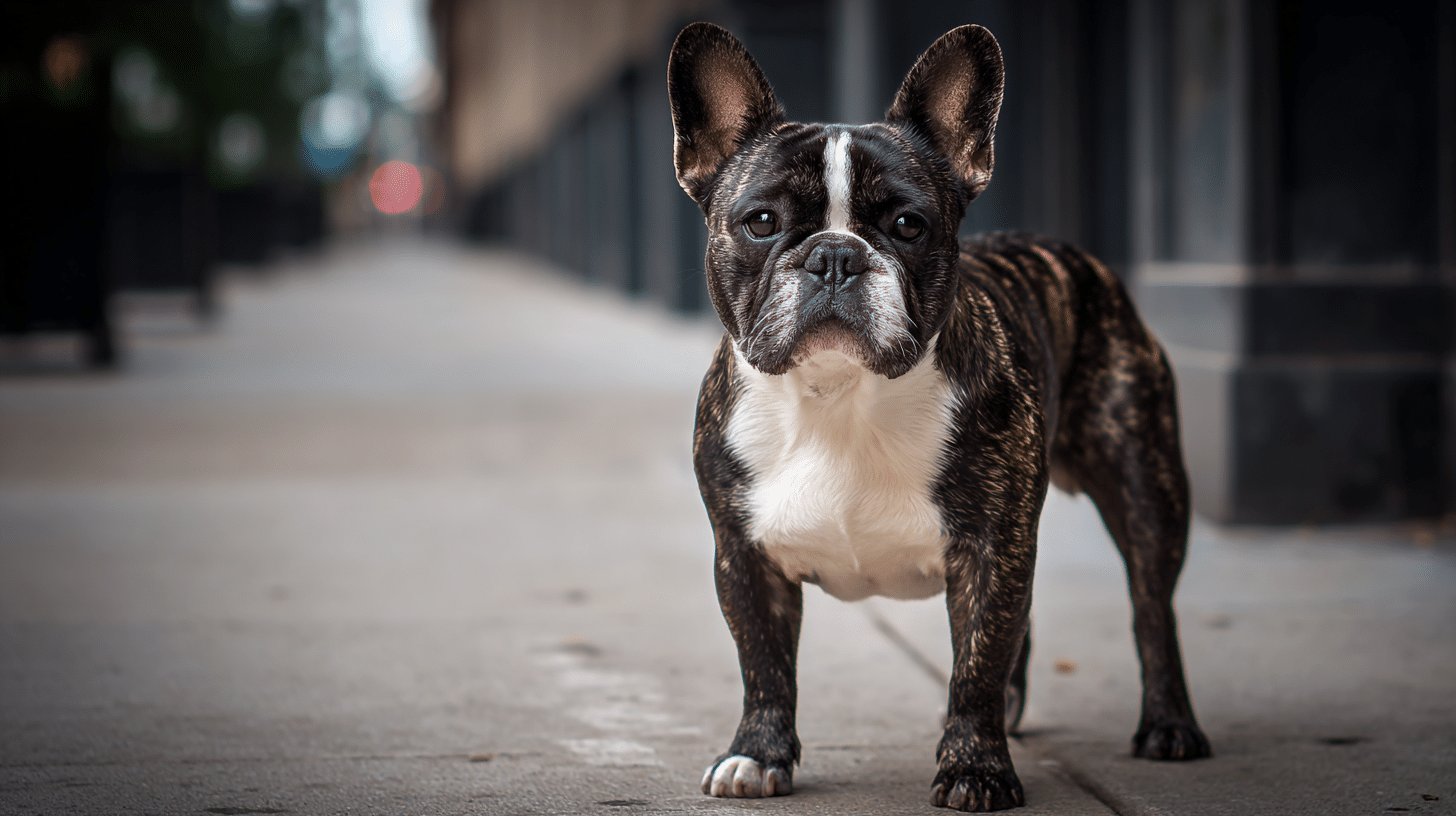
This combines the brindle pattern with white spotting. You’ll see tiger-stripe brindle with white patches on the chest, legs, face, or collar.
The amount of white varies from a small chest patch to covering half the dog’s body. Each dog looks unique since the white patches appear in different places.
Now let’s look at the colors that don’t fit within these official standards.
Non-Standard French Bulldog Colors
These colors exist naturally, but don’t meet Kennel Club standards.
They’ve become increasingly popular in recent years, often commanding higher prices. However, some come with health concerns that buyers should know about.
7. Blue
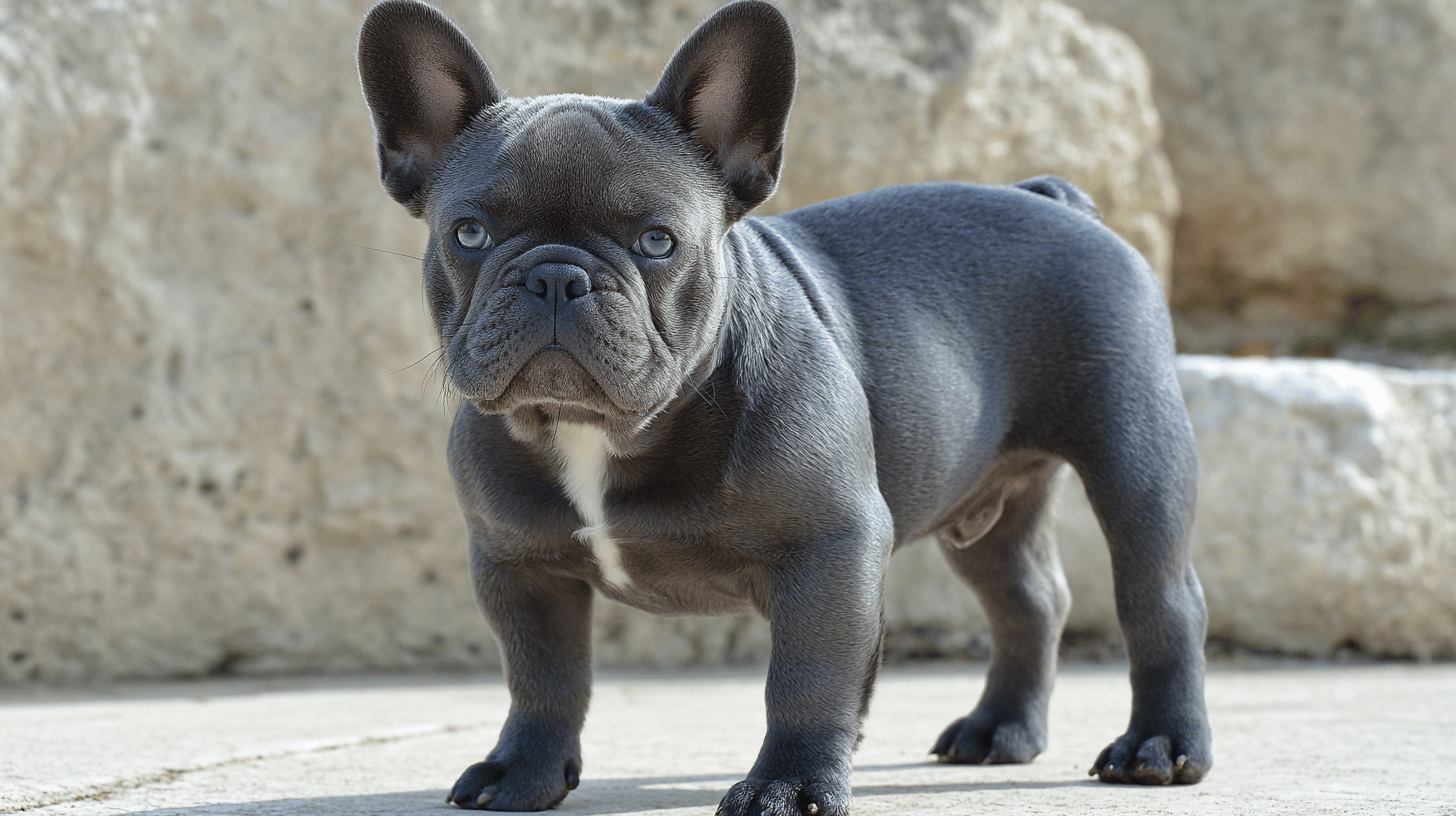
Blue French Bulldogs have a gray coat that appears blue in certain lighting.
This comes from a dilution gene that affects black pigment. They have gray noses, lighter eyes, and gray paw pads.
These dogs are more prone to skin issues and color dilution alopecia.
8. Lilac
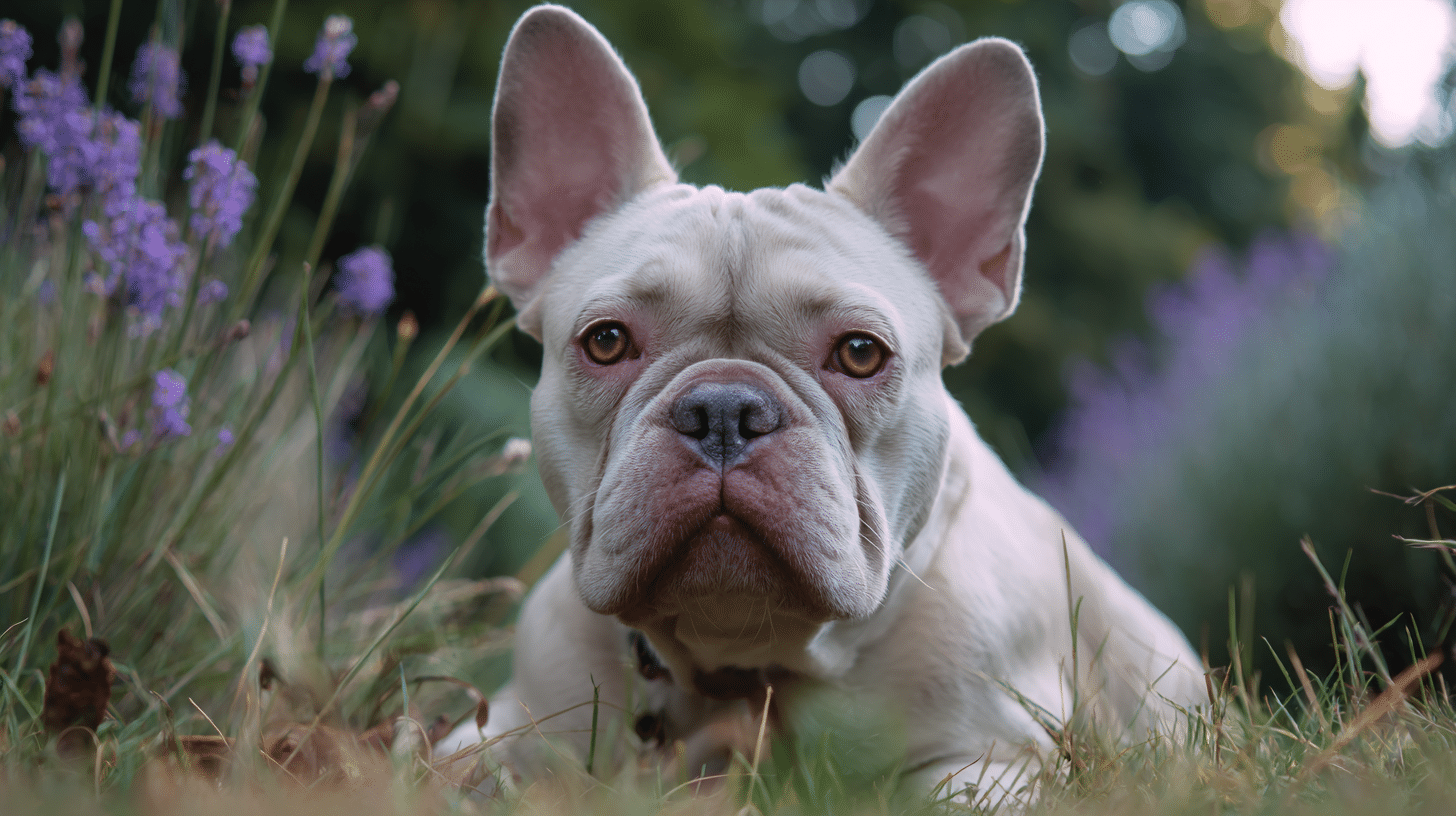
Lilac is one of the rarest colors. These dogs have a pale, silvery coat with a slight purple or pink tint.
The color results from inheriting both the blue dilution gene and the chocolate gene.
Their eyes are typically light amber to pale blue, and their noses are pale pink or lavender-toned.
9. Isabella
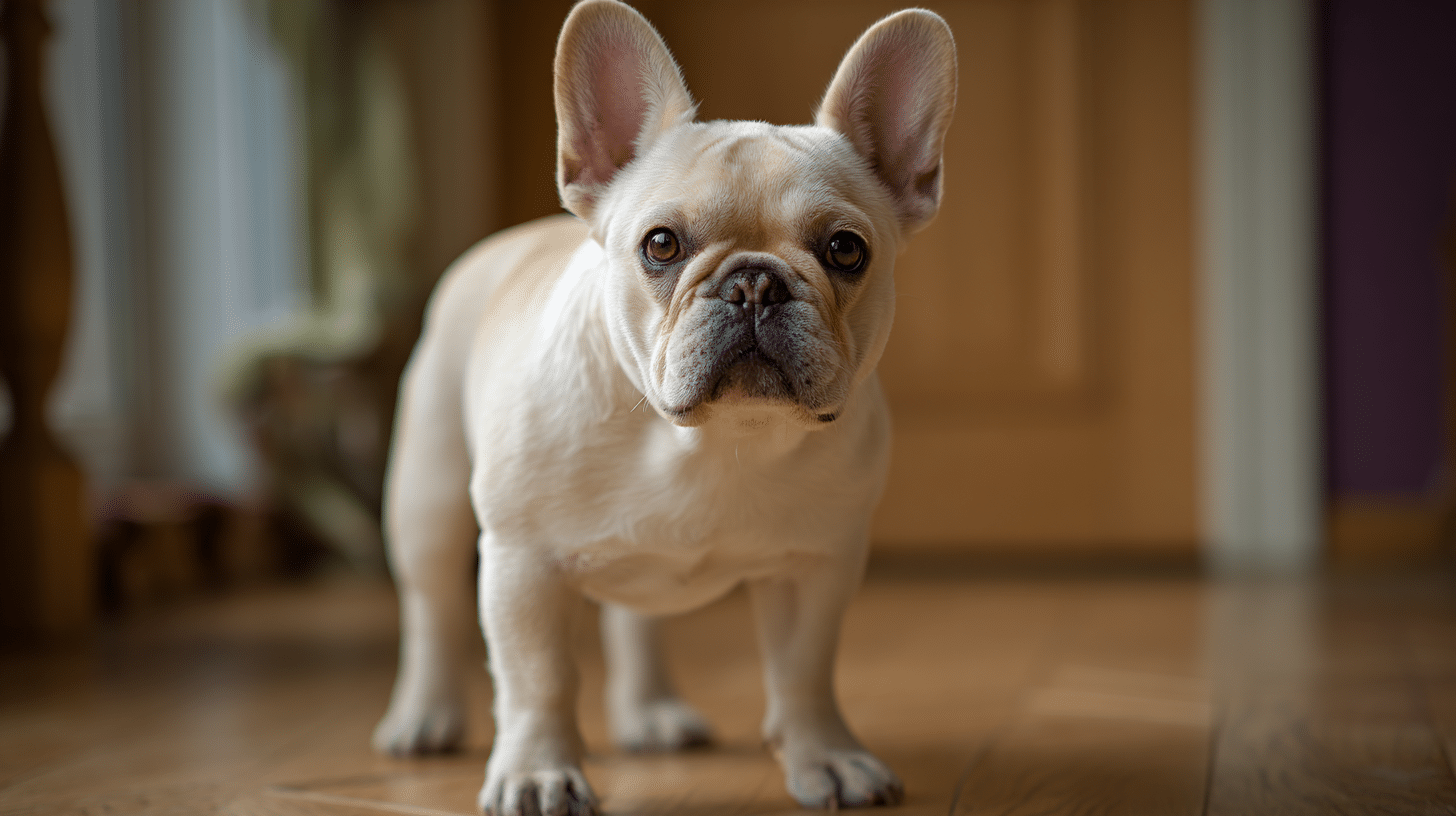
Isabella has a pale tan or champagne appearance with a subtle purple undertone. It’s similar to lilac but warmer. These dogs need both dilution genes.
The difference is the base color. Isabella starts with fawn, while Lilac starts with chocolate.
10. Chocolate
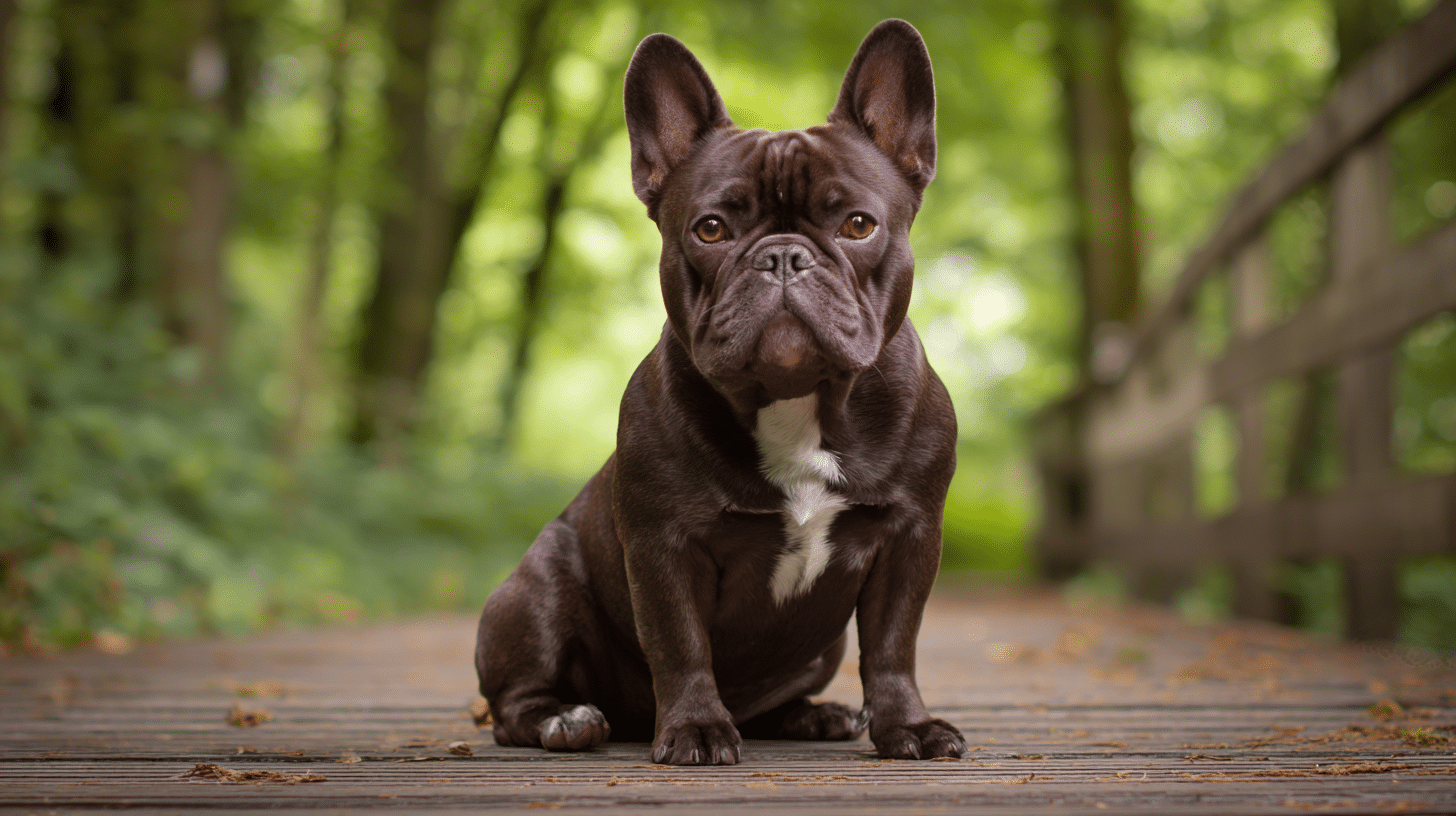
Chocolate French Bulldogs have a rich brown coat from a recessive gene. True chocolate Frenchies have brown noses, brown eye rims, and brown paw pads.
Their eyes are often lighter, ranging from amber to hazel.
11. Merle Patterns
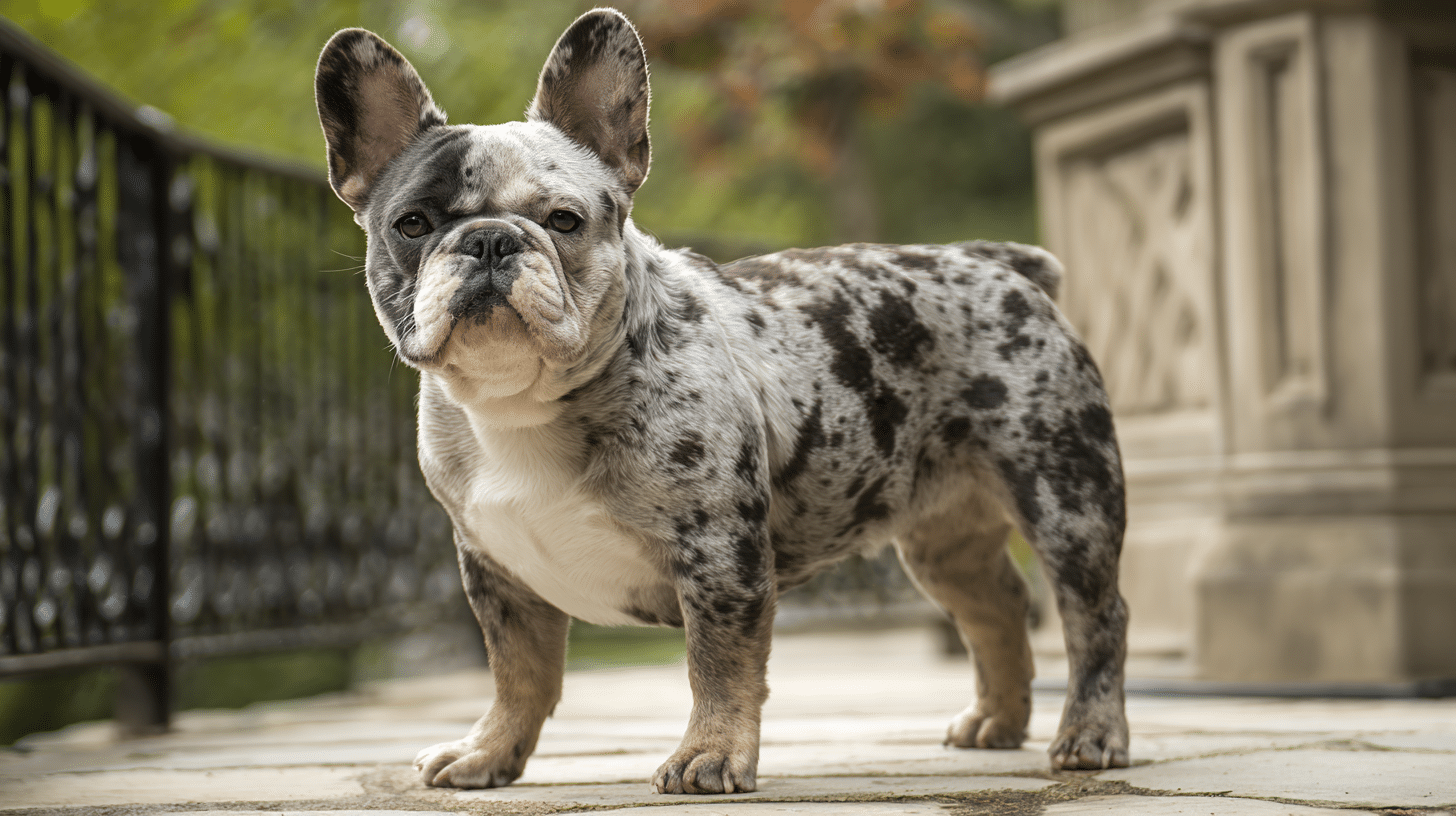
Merle creates a mottled pattern with patches of diluted color. You’ll see irregular spots creating a dappled look.
The problem is that breeding two merle dogs together can produce double merle puppies with severe vision problems and hearing loss. The breed club doesn’t recognize merle.
12. Platinum
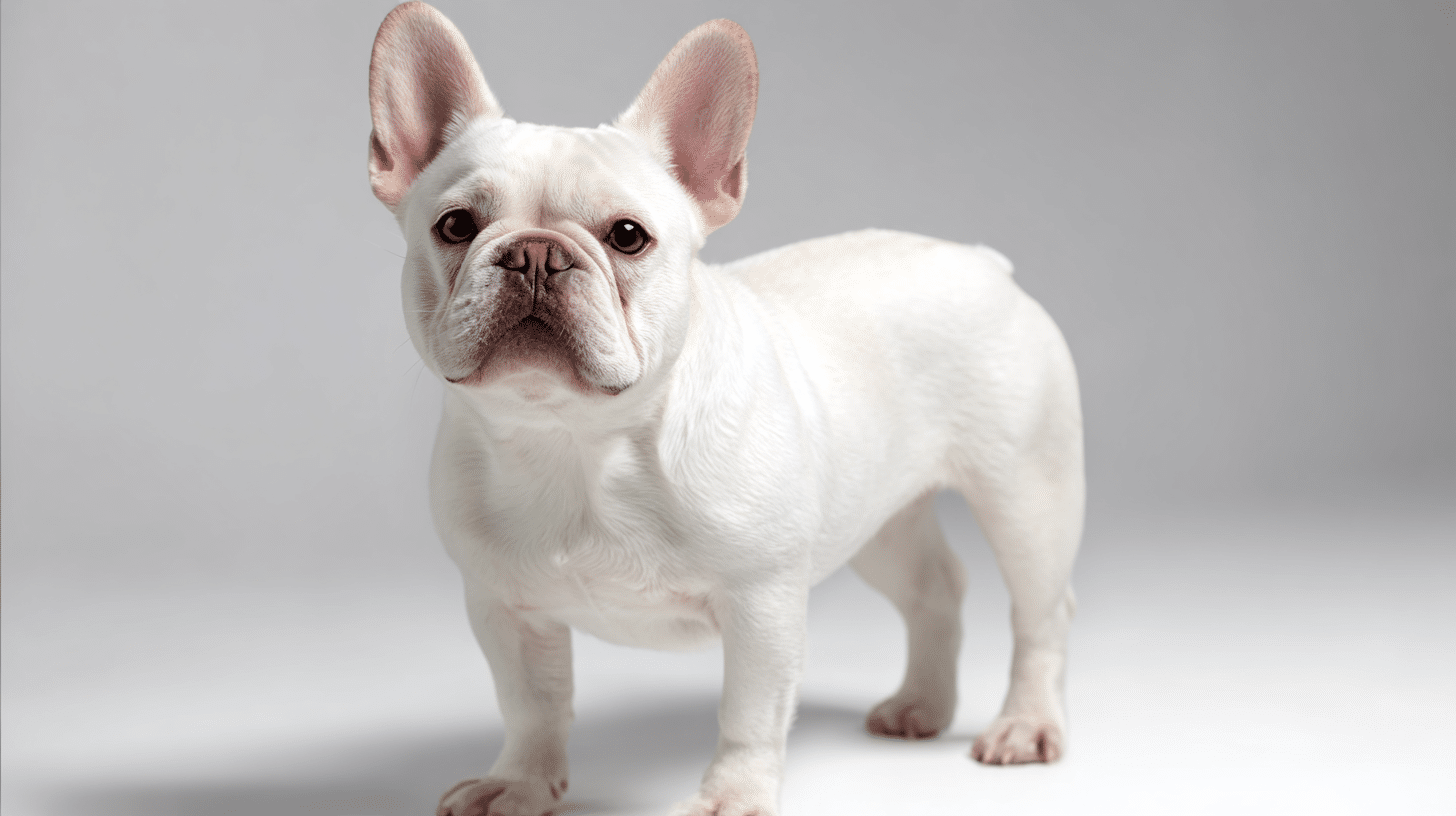
Platinum French Bulldogs have an extremely pale, almost white coat with a metallic sheen. This color comes from dilution genes acting on a cream base.
Their noses are light-colored, and their eyes range from pale blue to light amber. Platinum is exceptionally rare and expensive.
So which of these rare colors are most sought after by buyers?
Rare or Highly Sought-After Color Patterns
Some color patterns are harder to find than others, which drives up demand and price. Here are the most sought-after combinations:
13. Lilac Merle
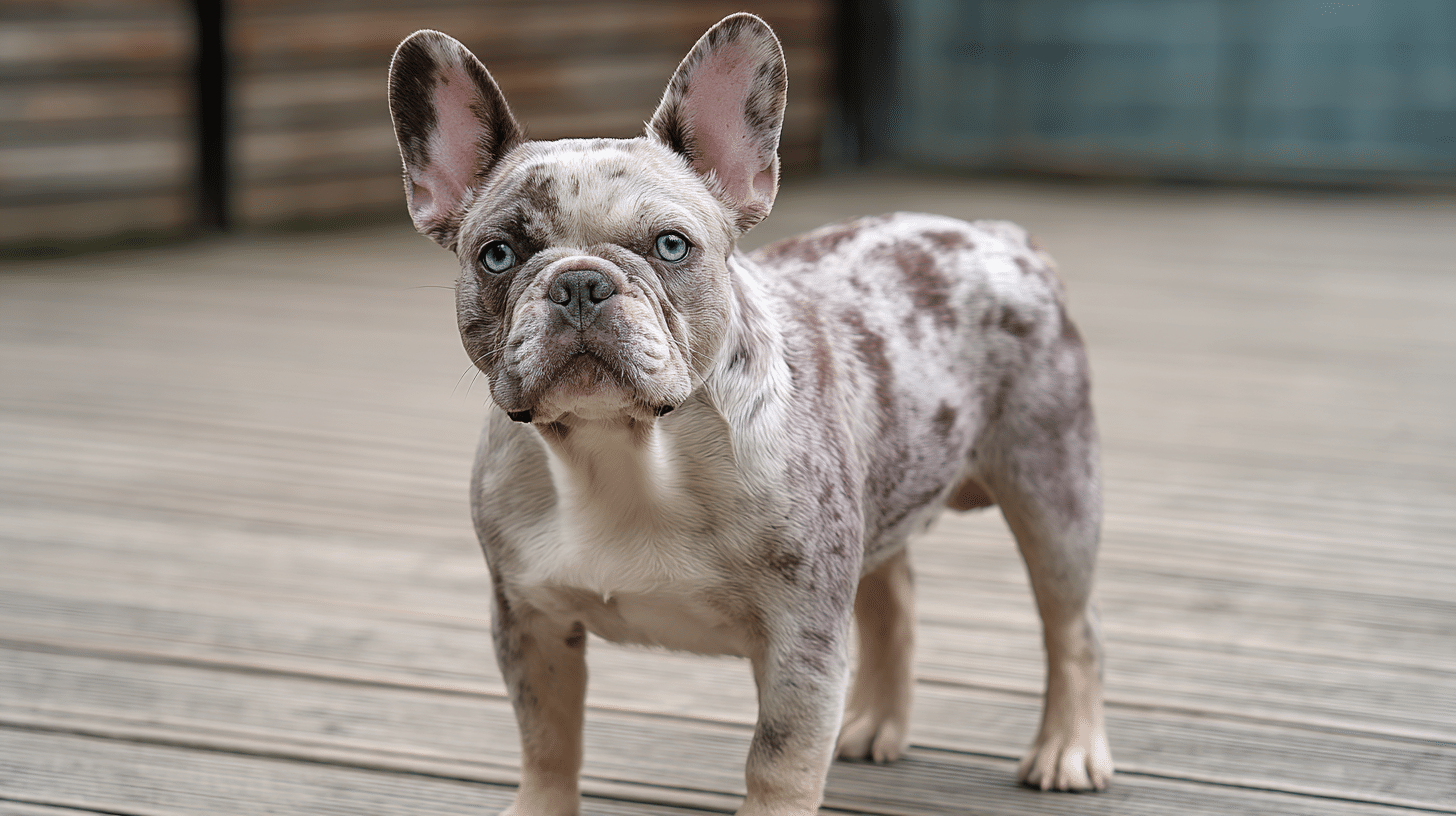
Even rarer than blue merle. This combines the lilac dilution with merle patterning.
The pale purple-gray base with mottled patches creates a striking appearance that collectors chase.
14. Isabella Merle
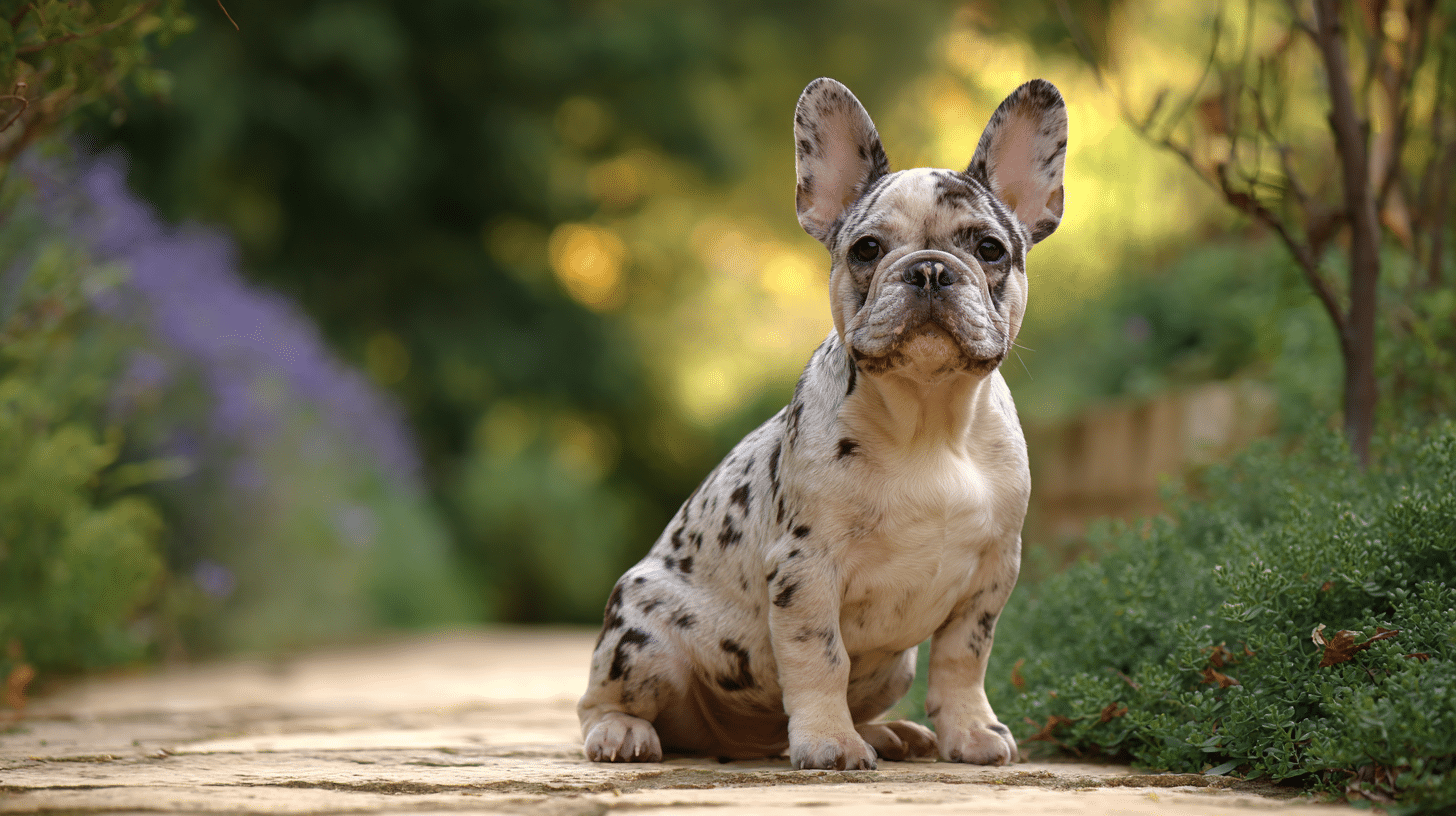
The warm champagne tone of Isabella mixed with merle spotting.
This is incredibly difficult to produce since it requires multiple recessive genes plus the merle gene.
15. Platinum with Blue Eyes
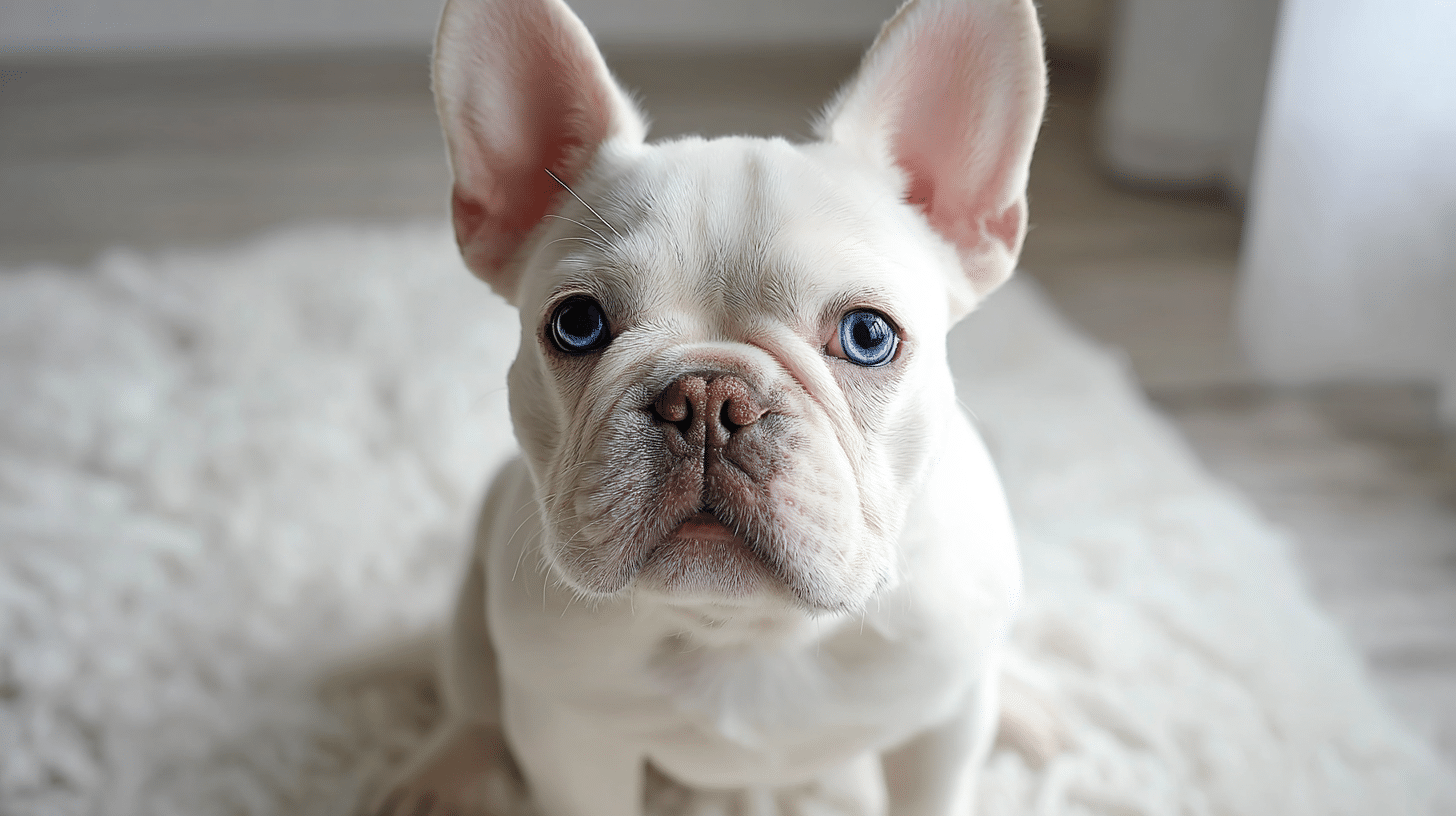
Light eyes on an already rare platinum coat make these puppies highly desirable.
The combination is uncommon and visually striking.
But how do breeders actually produce these specific colors?
How Breeders Produce Different Colors
Producing specific colors isn’t guesswork. Breeders use DNA testing to reveal which color genes each dog carries, including hidden recessive ones.
A fawn dog might carry genes for blue or chocolate.
Once breeders know the genes, they plan pairings. Want blue puppies? Both parents need the dilution gene. For lilac, both need the chocolate gene and the dilution gene.
If you breed two dogs carrying the blue gene, roughly 25% of puppies will be blue. The rest will be standard colors, though many will be carriers.
For rare colors like merle, some breeders introduce the gene from other breeds. This is controversial because Merle wasn’t originally part of French Bulldogs.
Reputable breeders focus on health first and color second. They avoid risky pairings like merle-to-merle breeding. Unfortunately, some breeders prioritize rare colors and high prices over well-being.
This brings us to the health risks associated with certain coat colors.
Health Points Linked to Certain Colors
Color isn’t just about looks. Certain genes that create rare colors also affect health.
This doesn’t mean every dog with these colors will have problems, but the risks are higher.
Merle Health Notes
Merle dogs face serious risks, especially double merles. When two merle dogs breed, puppies can inherit the merle gene from both parents.
These double merles often experience:
- Hearing loss (partial or complete deafness)
- Vision problems (small eyes, missing eyes, or blindness)
- Increased sensitivity to sunlight
- Neurological issues
The gene disrupts the normal development of the eyes and ears. Even single merle dogs can have hearing or vision problems, though less severe.
Blue Coat Sensitivity
Blue French Bulldogs are prone to color dilution alopecia. The gene that creates their gray coat can also cause hair loss and skin problems.
Dogs with this condition develop:
- Thinning fur (starting around six months to three years old)
- Brittle hair that breaks easily
- Skin infections due to a compromised skin barrier
- Increased sensitivity to allergies and rashes
Breeding Risks With Rare Colors
Chasing rare colors often means a limited gene pool. Breeders working with uncommon colors sometimes have fewer dogs to choose from, which can lead to inbreeding.
When breeders focus primarily on color, they might overlook health issues like hip problems or heart conditions.
The bigger issue is what gets ignored in pursuit of rare colors.
So how do you choose a puppy when there are so many colors and health factors to consider?
Choosing the Right Puppy
Color shouldn’t be your only consideration. Health and temperament matter far more in the long run.
Meet the breeder in person. Good breeders will show you where puppies are raised and let you meet at least one parent.
If a breeder only communicates online or won’t let you visit, that’s a red flag.
Ask about health testing. Reputable breeders test for hip dysplasia, eye problems, and heart conditions. They should provide documentation.
Watch how puppies interact. A healthy puppy should be curious, playful, and alert.