Puppies can catch deadly diseases within days of coming home.
Parvovirus, distemper, and rabies don’t wait for owners to figure things out.
Knowing the vaccination schedule means knowing exactly when to protect that little furball. It means preventing illnesses that could cost thousands in treatment or worse.
This blog will give you a complete timeline.
The Benefits of Vaccines
Vaccines save puppy lives. They protect against diseases that once killed thousands of dogs every year.
1. Protection from Deadly Diseases
Vaccines train a puppy’s immune system to fight off serious illnesses.
Without them, diseases like parvovirus and distemper can kill within days. These shots create antibodies that recognize and attack viruses before they cause harm.
Puppies get this protection early when their bodies need it most.
2. Prevention of Disease Spread
Vaccinated puppies can’t pass infections to other dogs in the neighborhood.
This creates safer parks, daycare centers, and vet clinics for all pets. When most dogs get their shots, entire communities stay healthier.
It’s like building a shield that protects both vaccinated and vulnerable animals around them.
3. Lower Veterinary Costs
Treating a sick puppy costs far more than preventing illness with vaccines.
Parvovirus treatment alone can run into thousands of dollars with hospital stays. A full vaccine series costs a fraction of that amount.
Pet owners save money while keeping their dogs healthy and happy throughout their lives.
4. Required for Socialization
Puppy classes, grooming salons, and boarding facilities all require proof of vaccination. These places won’t accept unvaccinated dogs because of health risks.
Getting shots on schedule means puppies can attend training early and learn good behavior.
They get to play with other dogs and develop into well-adjusted adults.
5. Legal Compliance
Most areas have laws requiring rabies vaccinations for all dogs.
Pet owners can face fines or legal trouble without proof of this shot. Some places won’t issue dog licenses without vaccination records.
Following the schedule keeps owners on the right side of local regulations and protects public health.
Puppy Vaccine Schedule
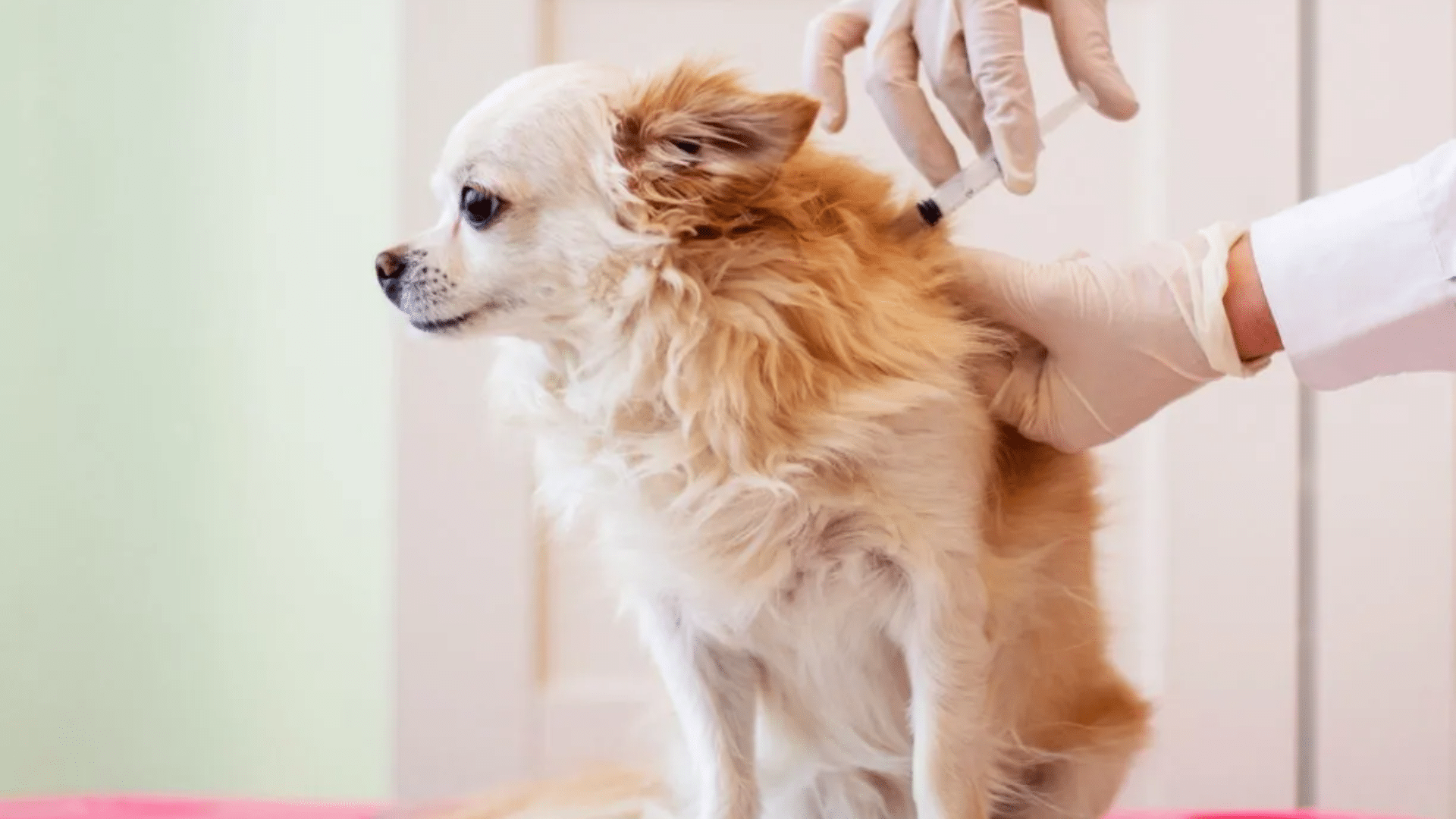
Most puppies follow a standard vaccination timeline from birth through their first year. Timing these shots correctly gives them the best protection. Here’s when puppies need each vaccine.
1. Core Vaccines Schedule
The following are the core vaccines that are required for the well-being of every dog.
6 to 8 Weeks Old
The first round of vaccines starts when puppies are six to eight weeks old.
They receive the DHPP shot, which protects against distemper, hepatitis, parvovirus, and parainfluenza. Some vets also give the Bordetella vaccine at this age.
This early protection is crucial because maternal antibodies are wearing off.
10 to 12 Weeks Old
Puppies need their second DHPP shot at ten to twelve weeks.
This booster enhances the immune response initiated by the first dose. Vets may also start the leptospirosis series now if it’s common in the area.
The puppy’s body builds stronger defenses with each visit to the clinic.
14 to 16 Weeks Old
The third DHPP vaccine comes at fourteen to sixteen weeks of age.
This is also when puppies get their rabies shot for the first time. Most states require rabies vaccination by this age.
The leptospirosis booster may be given if the puppy received the first dose earlier.
12 to 16 Months Old
After the puppy series, dogs need booster shots at one year old.
They receive another DHPP vaccine and a rabies booster at this time. Some vaccines, like leptospirosis, need annual updates after this.
This visit completes the initial vaccination schedule and starts the adult maintenance plan.
Annual or Three-Year Boosters
Adult dogs continue getting boosters throughout their lives to maintain immunity.
Some vaccines need yearly updates while others last three years. Rabies shots follow state laws, usually given every one to three years.
Vets create custom schedules based on the dog’s lifestyle and local disease risks.
2. Lifestyle Vaccines
Not every puppy needs every vaccine available. Some shots depend on where the dog lives and what activities they do.
Here are vaccines vets recommend based on lifestyle.
Bordetella (Kennel Cough)
The Bordetella vaccine protects against the most common cause of kennel cough in dogs.
Puppies who attend daycare, boarding facilities, or training classes need this shot. Groomers and dog parks often require proof of this vaccine, too.
It’s given every six to twelve months, depending on exposure risk and facility requirements.
Leptospirosis
The leptospirosis vaccine prevents a bacterial infection spread through contaminated water and soil.
Puppies in rural areas or places with lots of wildlife face a higher risk. Dogs who swim in lakes, hike in forests, or live near farms should get this shot.
The vaccine requires two initial doses, then annual boosters to maintain protection against the disease.
Lyme Disease
Lyme disease vaccine helps protect dogs in areas where deer ticks are common.
Puppies in the Northeast, Upper Midwest, and Pacific Coast regions need this most. Dogs who spend time in wooded areas or tall grass benefit from vaccination.
The initial series requires two shots, followed by yearly boosters during tick season for continued immunity.
Canine Influenza
Canine influenza vaccine guards against dog flu strains that spread in kennels and shelters.
Puppies who frequently interact with other dogs at facilities need this protection. The virus causes respiratory symptoms and spreads rapidly in group settings.
Dogs receive two initial doses three weeks apart, then annual boosters to stay protected from outbreaks.
Hang the schedule on your fridge so you don’t forget to keep your buddy safe from diseases. Click here to download the Puppy Vaccination Schedule.
Cost of Puppy Vaccines
Vaccine costs vary by location, vet clinic, and whether owners choose a package deal.
| Vaccine Type | Average Cost | Notes |
|---|---|---|
| DHPP (Distemper, Hepatitis, Parvovirus, Parainfluenza) | $25-$50 per shot | Core vaccine required for all puppies |
| Rabies | $15-$30 per shot | Required by law in most areas |
| Bordetella (Kennel Cough) | $20-$40 per shot | Needed for boarding and daycare |
| Leptospirosis | $20-$35 per shot | Recommended in areas with wildlife |
| Lyme Disease | $25-$45 per shot | Only needed in tick-prone regions |
| Canine Influenza | $25-$45 per shot | Required by some facilities |
| Complete Puppy Package | $75-$200 | Often cheaper than individual shots |
| Exam Fee | $40-$75 per visit | Separate from vaccine costs |
Which Diseases are Prevented by the Vaccines?
Puppy vaccines protect against some of the most dangerous canine diseases. These illnesses can cause severe suffering or death in young dogs.
1. Canine Distemper
Distemper attacks a puppy’s respiratory, digestive, and nervous systems all at once. It causes fever, coughing, vomiting, and seizures in infected dogs.
Most puppies who catch distemper don’t survive, and those who do often have permanent brain damage.
The virus spreads through the air, making it highly contagious in dog populations.
2. Canine Parvovirus
Parvovirus destroys the lining of a puppy’s intestines, causing severe bloody diarrhea and vomiting.
Infected puppies become dehydrated within hours and can die in two to three days. The virus lives in soil for years and spreads through contaminated feces.
Even with intensive hospital care, many puppies still don’t make it through this disease.
3. Canine Hepatitis
This virus targets a dog’s liver, kidneys, eyes, and blood vessels.
Puppies develop high fever, abdominal pain, and bleeding problems when infected. Some dogs recover but develop chronic liver issues or go blind.
The disease spreads through urine, feces, and saliva from infected animals in parks and public spaces.
4. Parainfluenza
Parainfluenza causes kennel cough, a highly contagious respiratory infection in dogs.
Infected puppies develop a harsh, dry cough that sounds like honking. The illness spreads rapidly in places where dogs gather.
While not usually fatal, it makes puppies miserable and can lead to pneumonia in severe cases.
5. Rabies
Rabies is a fatal viral disease that attacks the brain and nervous system.
It spreads through bites from infected animals like raccoons, bats, and foxes. Once symptoms appear, no treatment exists, and the disease always kills.
Rabies can also pass from dogs to humans, making vaccination a public health requirement.
6. Leptospirosis
Leptospirosis is a bacterial disease that damages the kidneys and liver in dogs.
Puppies catch it from contaminated water or soil where infected animals have urinated. Symptoms include fever, muscle pain, vomiting, and kidney failure requiring hospitalization.
Without treatment, the infection can cause permanent organ damage or death in young dogs.
7. Bordetella (Kennel Cough)
Bordetella bacteria cause the most common form of kennel cough in puppies.
This infection leads to persistent coughing, sneezing, and nasal discharge for weeks. Dogs spread it easily through the air in boarding kennels and dog parks.
Though rarely fatal, it weakens puppies and makes them vulnerable to other respiratory infections.
8. Lyme Disease
Lyme disease comes from bacteria carried by deer ticks that bite dogs.
Infected puppies develop joint pain, lameness, fever, and loss of appetite weeks later. The disease can damage the kidneys and cause lifelong arthritis if left untreated.
Ticks pick up the bacteria from mice and other wildlife in wooded areas.
Are There Any Reactions to Vaccinations?
Most puppies handle vaccines without any problems. But like any medical treatment, shots can cause mild reactions in some dogs.
Common mild reactions include:
- Soreness or swelling at the injection site
- Mild fever for 24 to 48 hours
- Reduced appetite or low energy
- Slight lethargy that passes quickly
These symptoms usually go away on their own within a day or two. Serious reactions are rare but can include vomiting, diarrhea, facial swelling, or difficulty breathing.
If a puppy shows severe symptoms, owners should call their vet right away.
The benefits of vaccination far outweigh these small risks.
Final Thoughts
Keeping puppies healthy starts with following their vaccination schedule. These shots give them the protection they need during those vulnerable first months of life.
Pet parents who stay on top of vaccines help their dogs live longer, happier lives.
The schedule might seem like a lot at first. But once the puppy series is done, maintenance becomes much simpler.
Talk to a vet about the vaccines; they will help you make sense of them.
Those few shots now mean years of good health ahead.