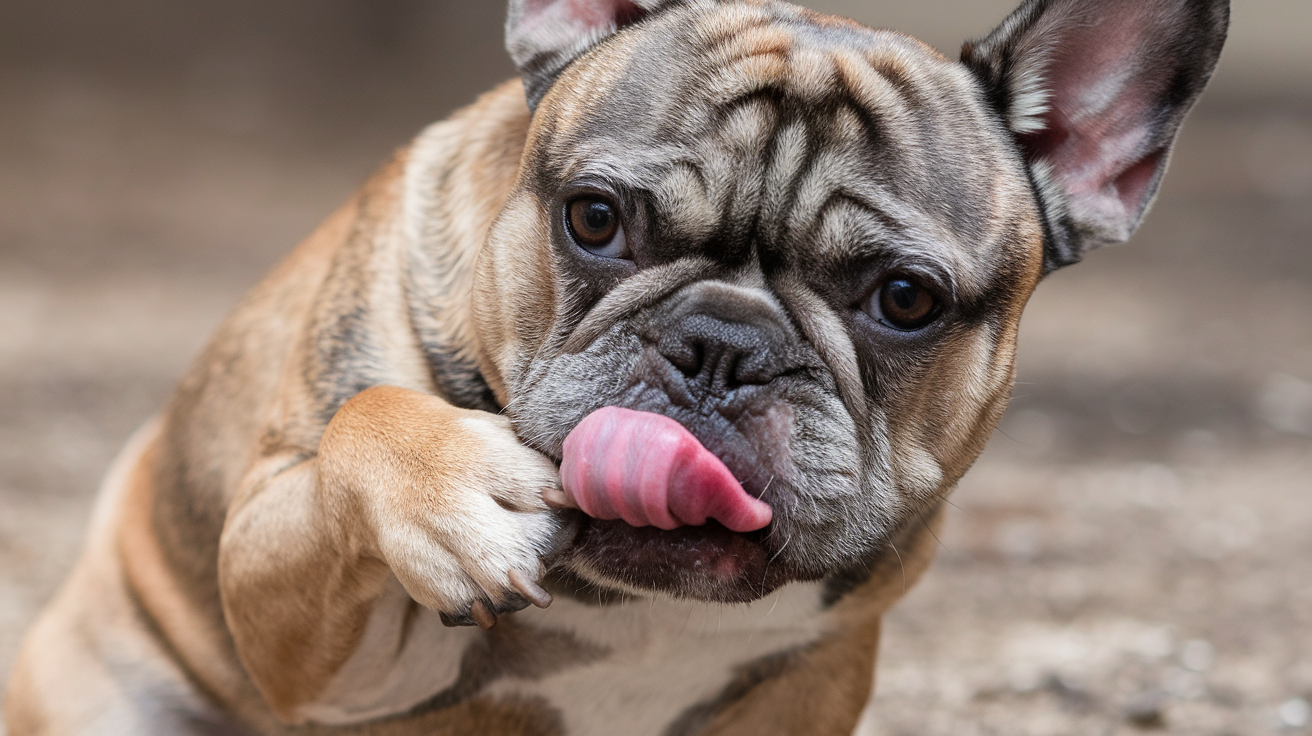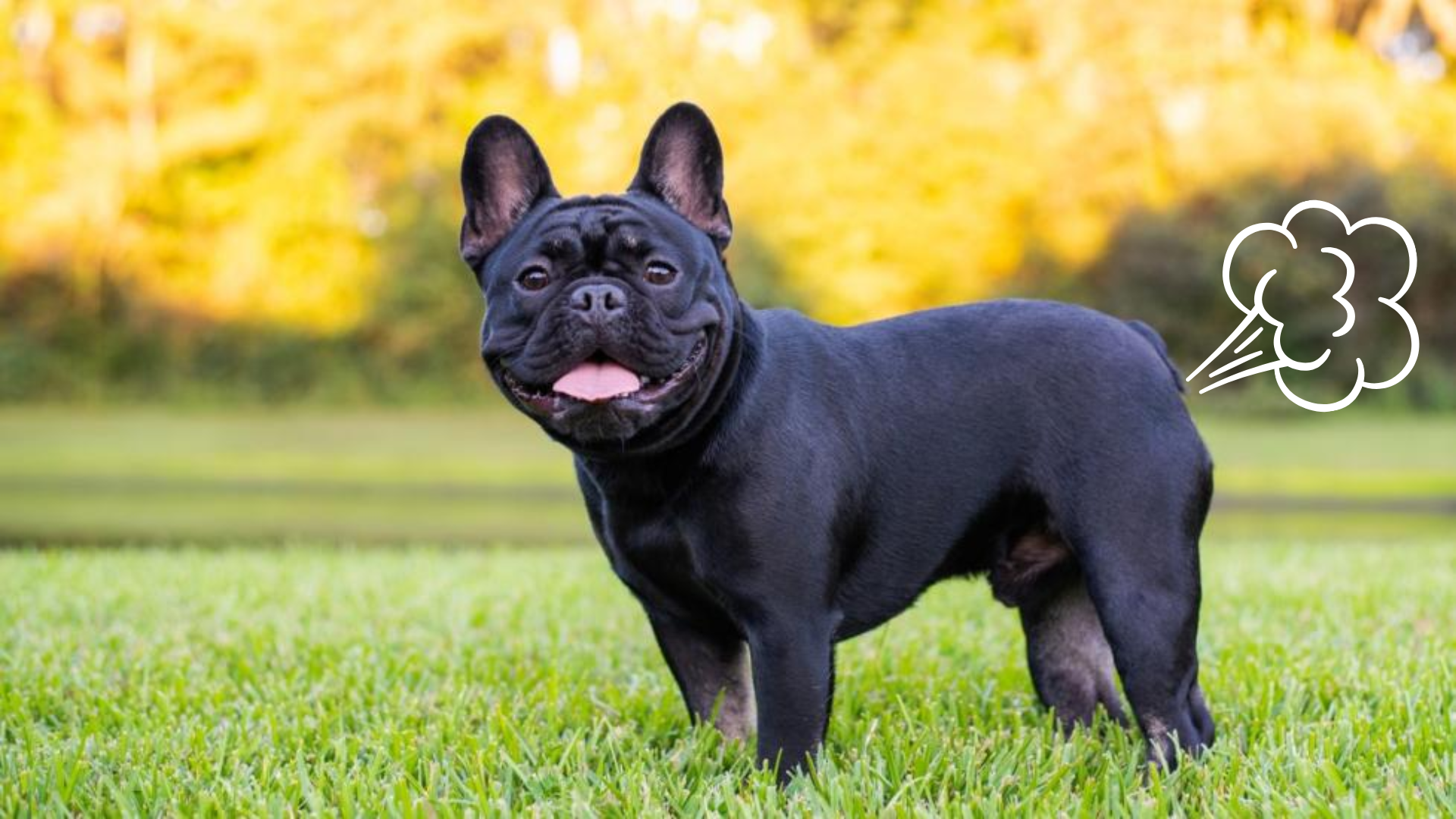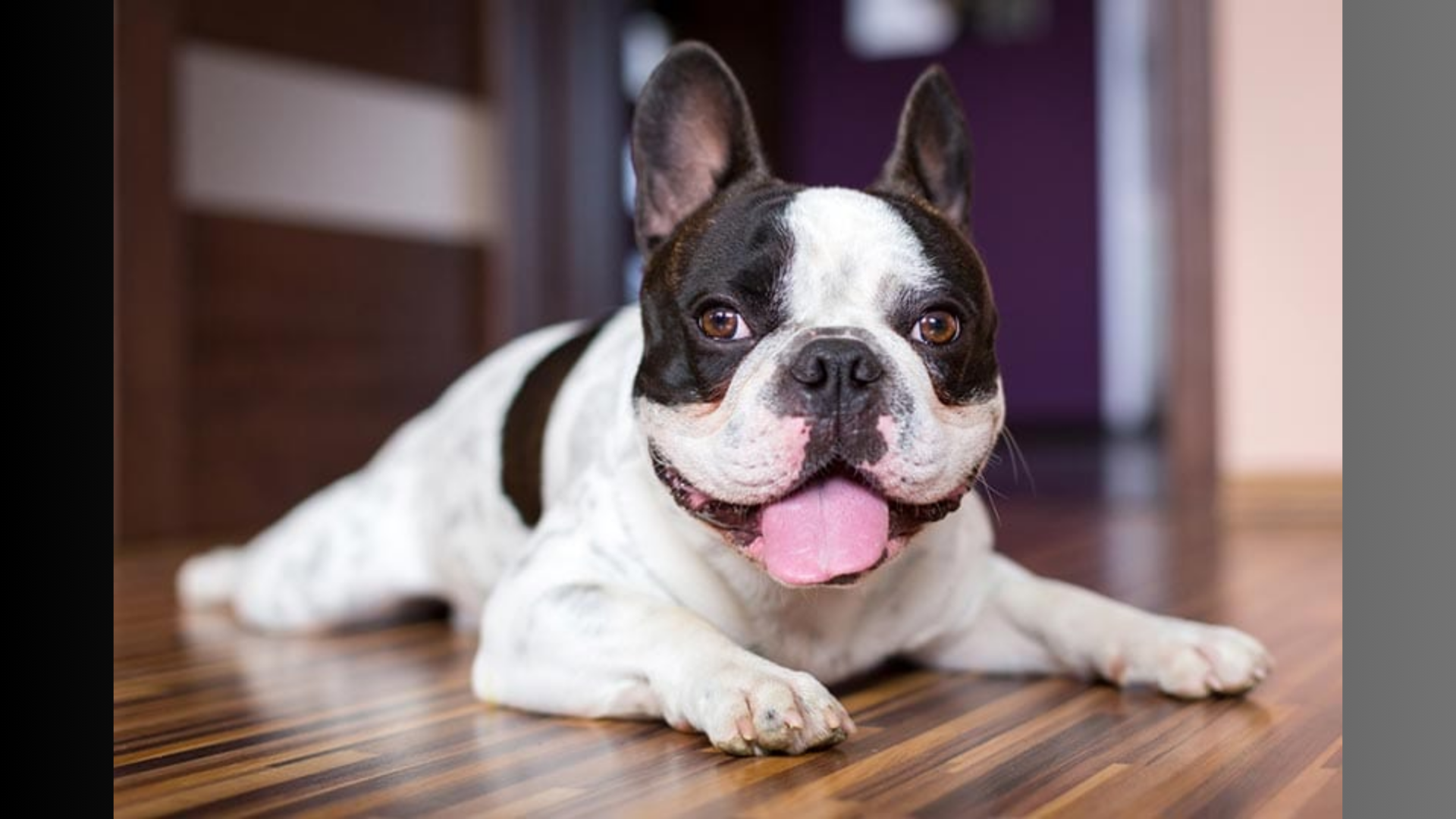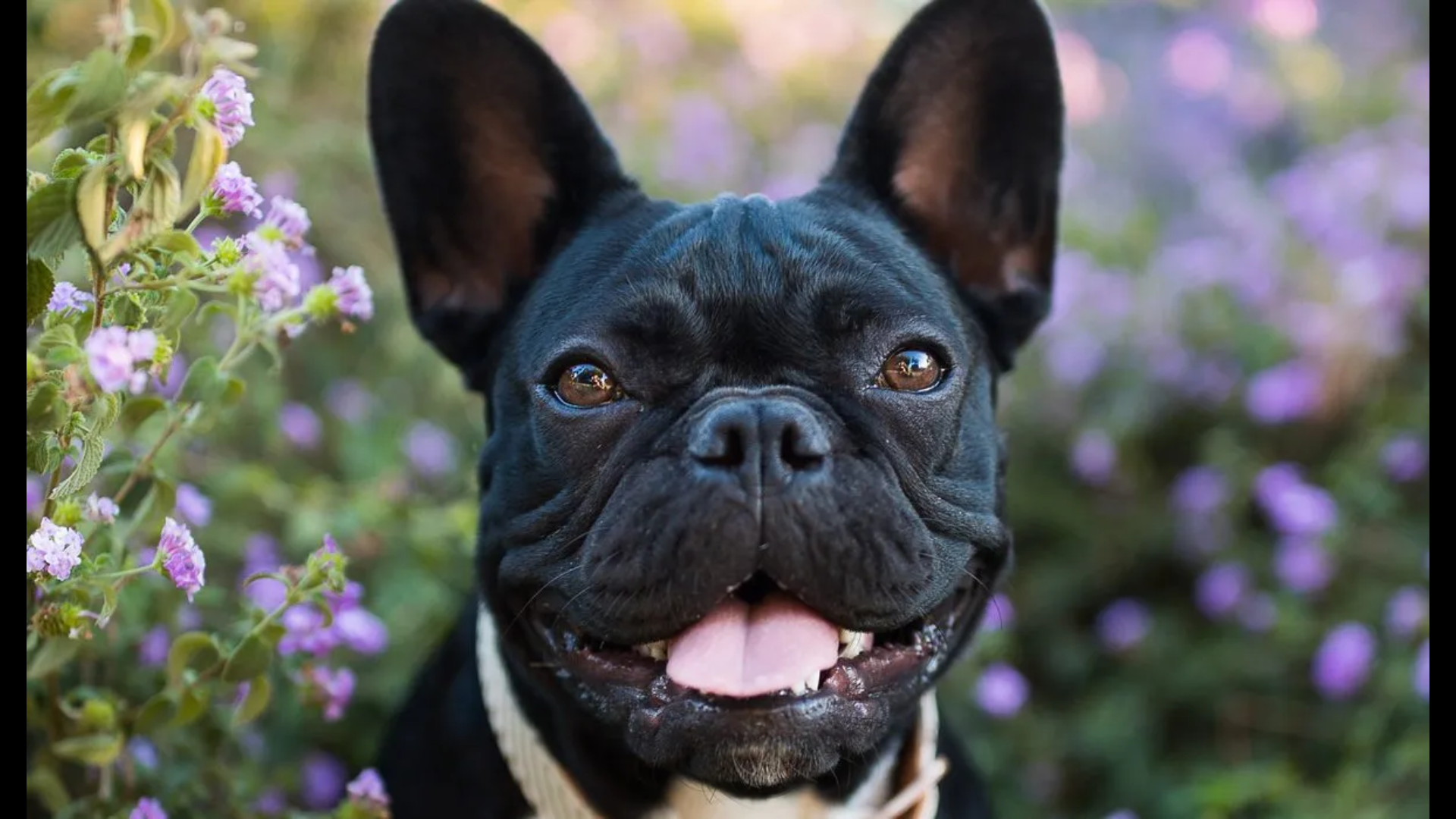
Some French Bulldogs carry colors so rare that most people don’t even know they exist.
That alone makes them stand out in any room. Once you see these shades, you’ll want to know everything about them.
Read on to find out which colors make a Frenchie truly one of a kind.
Things to Know About Rare French Bulldog Colors
French bulldogs are found in various colors, but these rare colors are not just about looks.
They come with a whole set of facts that every buyer and breeder should know before making any decisions.
They Come From Specific Genes
When you see a rare-colored Frenchie, know that it didn’t happen by accident. Colors like blue, merle, and chocolate are caused by recessive genes.
Both parents must carry the gene for the color to show up in the puppy.
They Often Cost More
If you’re planning to buy a rare-colored Frenchie, be ready to spend significantly more than you would for a standard color.
The rarer the color, the higher the price tends to be in the market.
Color Can Affect Health
Some rare colors, particularly merle, have been linked to hearing and vision problems.
Before you bring a rare-colored Frenchie home, always ask the breeder for full health clearances to make sure the dog is in good health.
French Bulldog Standard Colors Chart
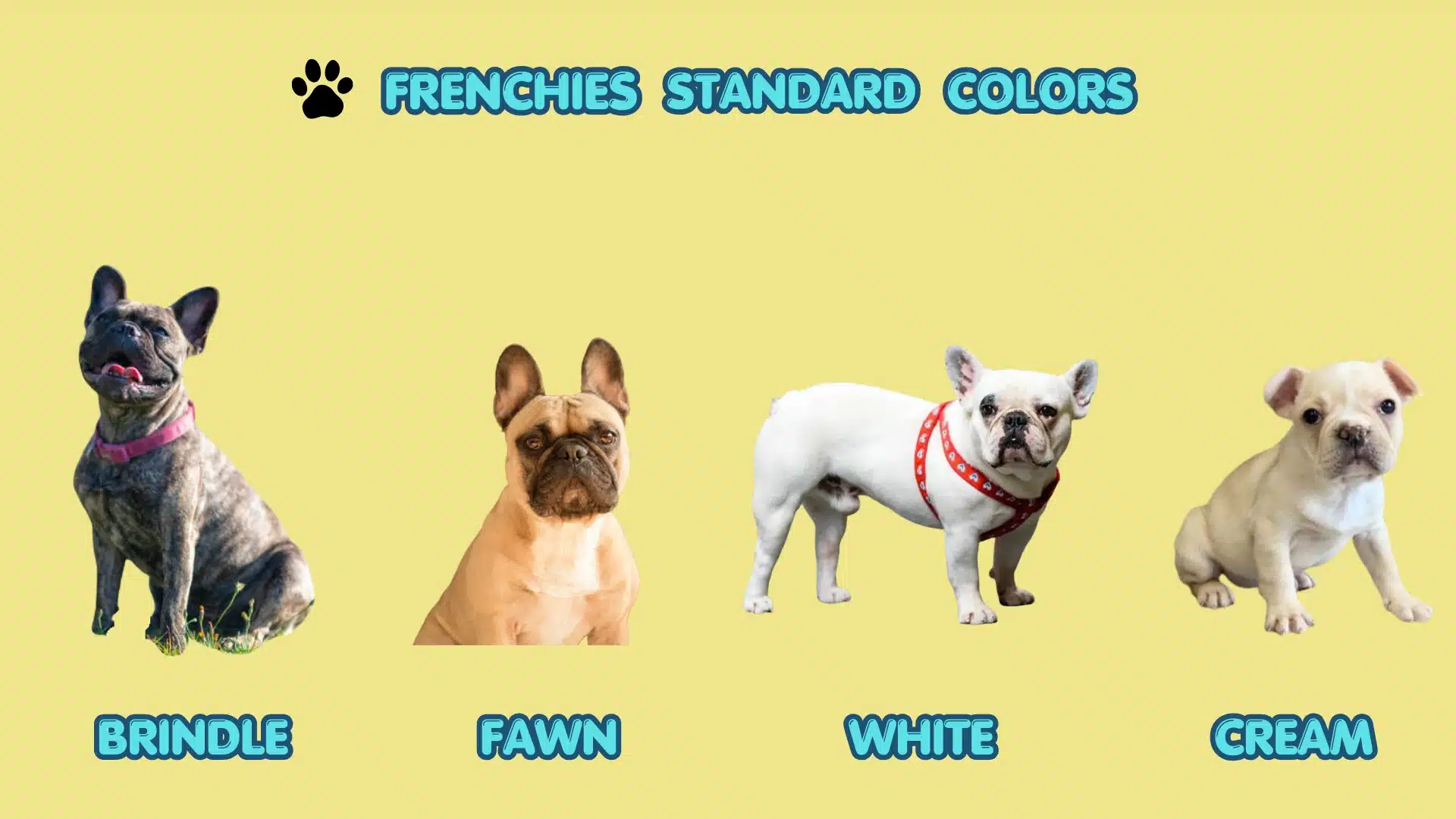
The American Kennel Club officially recognizes a set of standard colors for French Bulldogs.
These include brindle, fawn, white, and cream.
Brindle features a dark base coat with lighter streaks, while fawn ranges from light cream to a deeper reddish tan.
Knowing these standard colors makes it much easier to spot the rare colors.
Most Popular Rare French Bulldog Colors
The American Kennel Club, or AKC, is the most well-known dog breed registry in the United States. It sets the official breed standards for French Bulldogs.
While many rare colors exist in the French Bulldog world, only a select few earn a spot on the AKC’s recognized list.
For pet owners, AKC recognition adds a layer of credibility and value to the dog’s bloodline.
1. Chocolate Merle
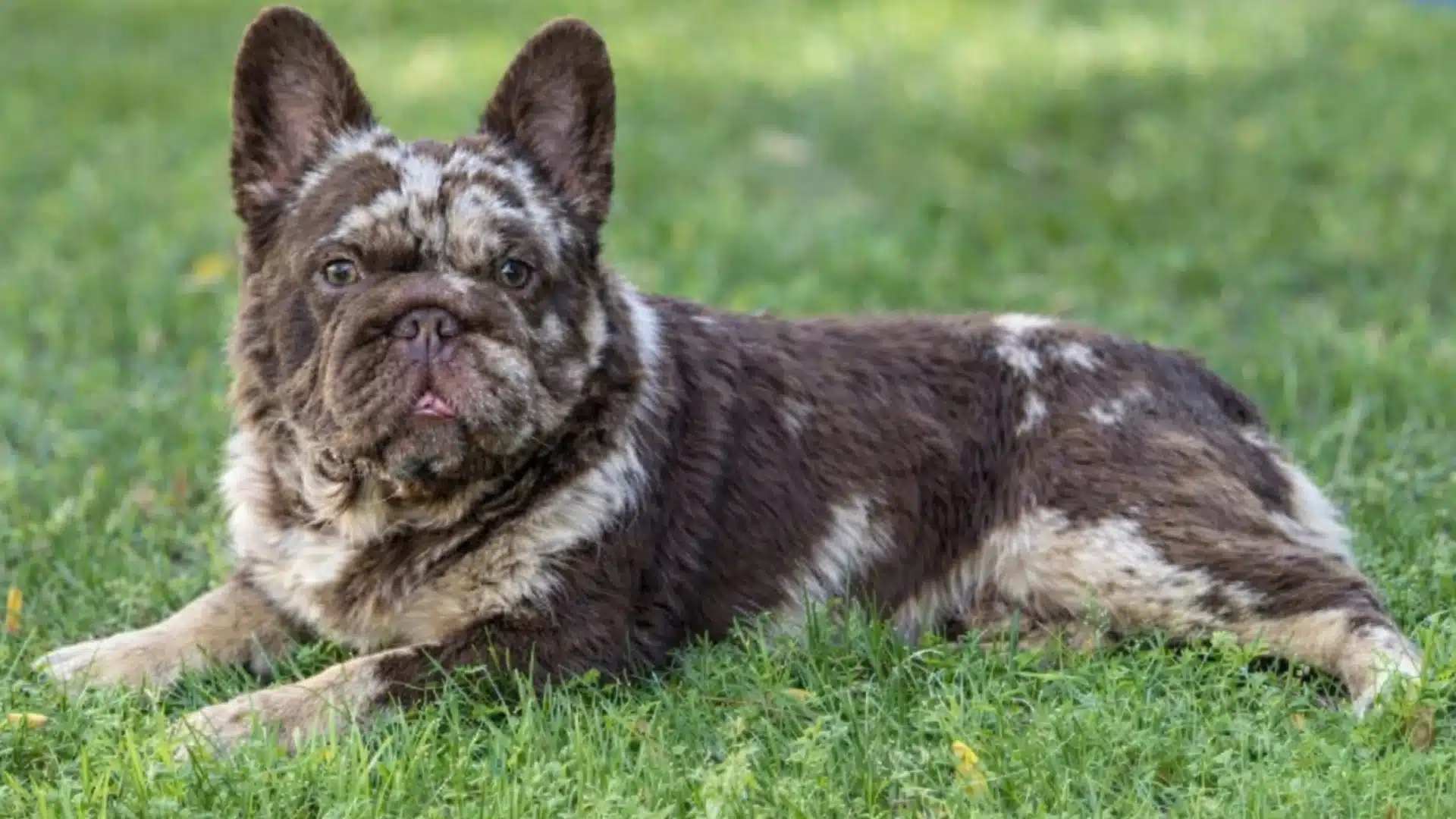
Chocolate merle combines a rich brown base coat with the irregular patchy markings of the merle pattern.
The contrast between the chocolate and lighter patches gives this color a very distinct look.
- Life Expectancy: 10 to 12 years with consistent veterinary care and a healthy lifestyle.
- Health Implications: Prone to hearing and eye abnormalities due to the merle gene.
- Grooming: A quick weekly brush keeps their short coat looking neat.
- Diet: Protein-focused meals with controlled portions work best.
- Temperament: They are warm, sociable, eager to please, and great with kids.
2. Blue Merle
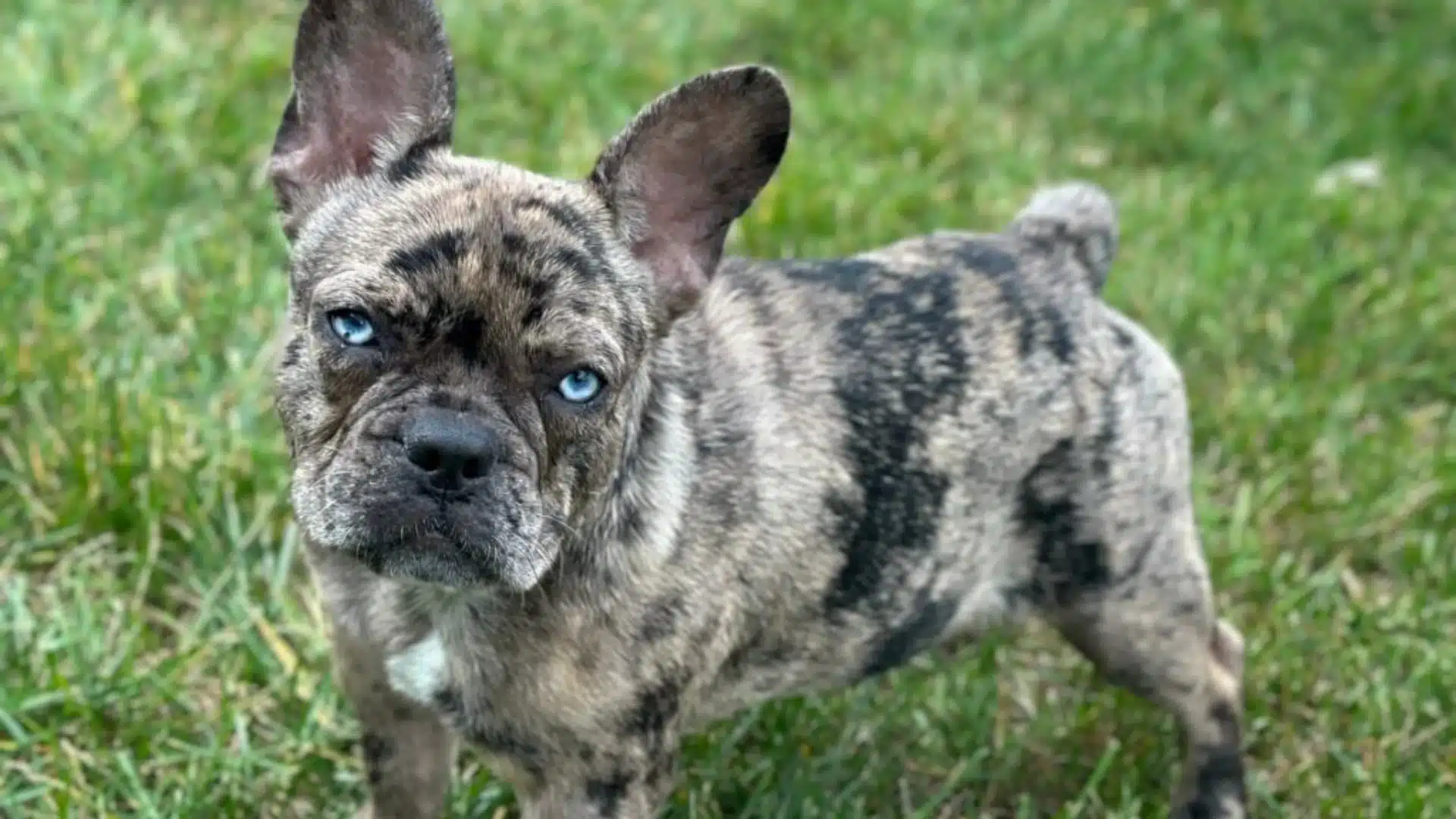
Blue merle Frenchies have a striking blue-gray base coat with irregular dark patches, which result from a combination of the merle and dilution genes.
It’s one of the hardest colors to produce and one of the most sought-after.
They are prone to hearing and vision problems due to the merle gene, and skin conditions are also possible. It is related to color dilution, such as Color Dilution Alopecia.
Color Dilution Alopecia (CDA) is a genetic, recessive, inherited condition that causes patches of hair thinning or loss and may also include flaky and/or itchy skin. [Source: @VCA Animal Hospitals]
- Life Expectancy: 10 to 12 years on average, similar to other French Bulldogs.
- Grooming: A weekly brush and regular cleaning of facial folds keep them clean and healthy.
- Diet: A high-quality, protein-rich diet with portion control works best.
- Temperament: They are social, affectionate, playful, and good with families.
3. Lilac Merle
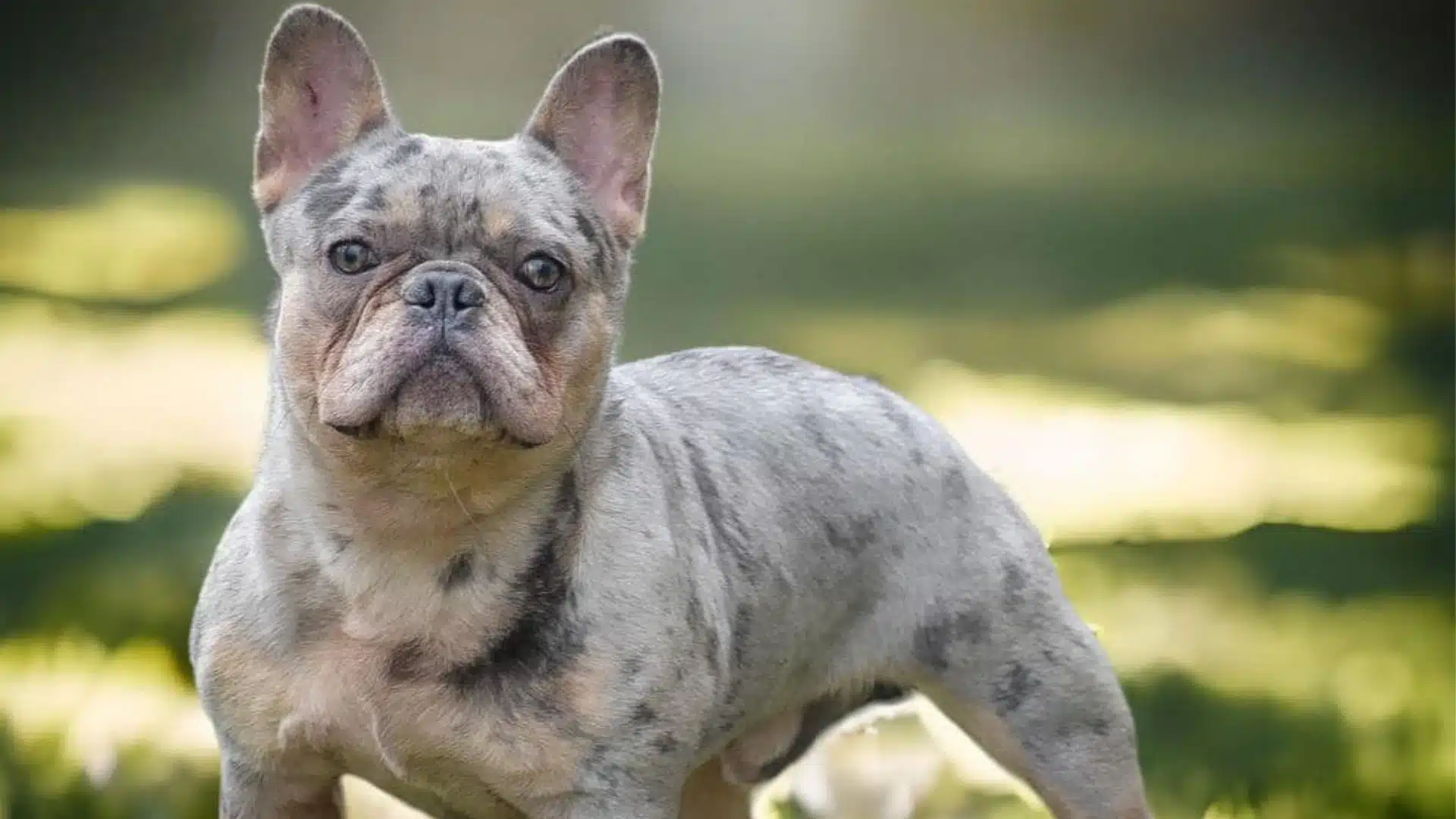
Lilac merle is an even rarer version of the merle pattern.
It features a pale lilac base with mottled darker patches throughout the coat. This is considered to be one of the rarest colors.
- Life Expectancy: 10 to 12 years, though health and lifestyle play a big role in longevity.
- Health Implications: Lilac merle dogs can face hearing and eye-related health concerns.
- Grooming: Their short, fine coat requires minimal grooming.
- Diet: A balanced diet with lean protein and controlled fat intake is ideal.
- Temperament: They are calm, loving, and great companions.
4. Isabella (True Lilac)
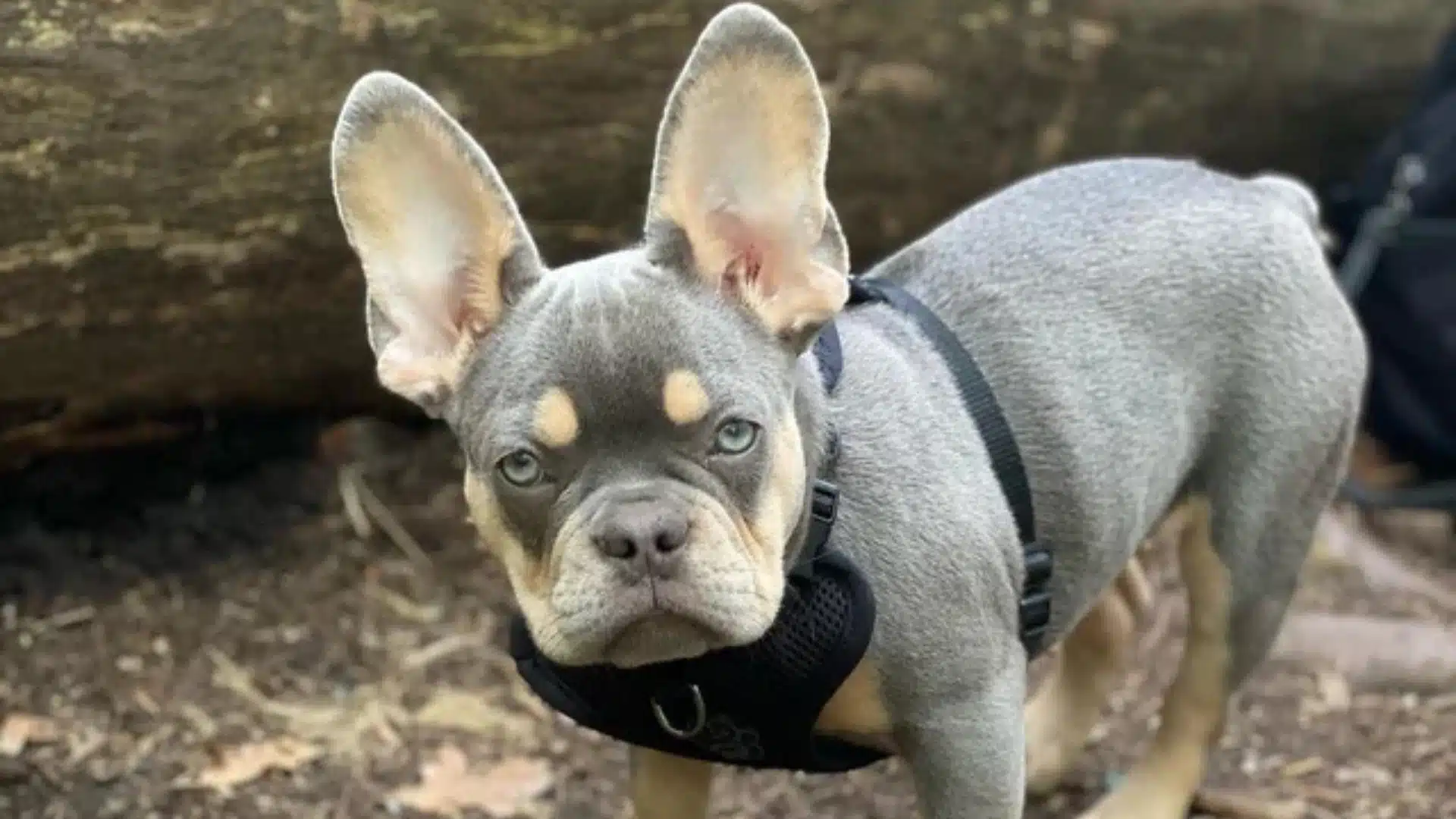
Breeders often call Isabella true lilac.
It’s a very pale, warm-toned coat with a faint silver or pinkish shimmer. This color requires four copies of recessive genes.
- Life Expectancy: 10 to 12 years with proper care and regular health monitoring.
- Health Implications: Prone to skin sensitivity and Color Dilution Alopecia.
- Grooming: Weekly brushing and regular facial fold cleaning keep their coat in good shape.
- Diet: High-quality dry kibble with a good protein content suits them well.
- Temperament: They are gentle, affectionate, and easy to get along with children.
5. Blue Sable
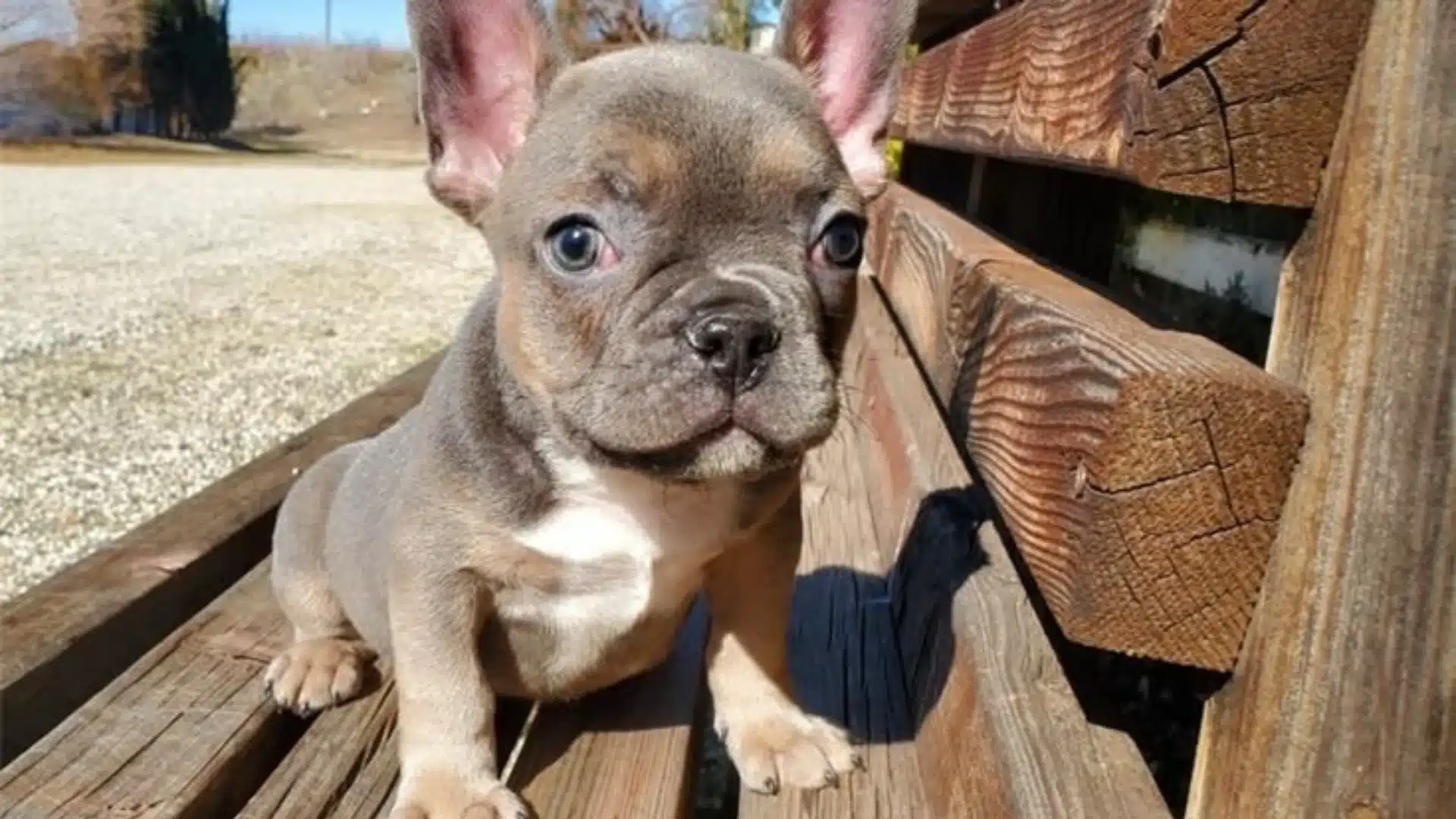
Blue sable Frenchies have a fawn base coat, where the hair tips are tipped with blue rather than black.
The result is a soft, smoky appearance that’s quite different from a standard sable.
They are susceptible to Color Dilution Alopecia, which can cause patchy hair loss. Breathing issues are also common to the breed.
- Life Expectancy: 10 to 12 years, consistent with the general French Bulldog lifespan.
- Grooming: Their coat needs a light weekly brush to manage shedding.
- Diet: A well-balanced diet rich in protein and omega fatty acids supports their coat health.
- Temperament: Playful, curious, very loyal, and thrive on human attention.
6. Chocolate and Tan
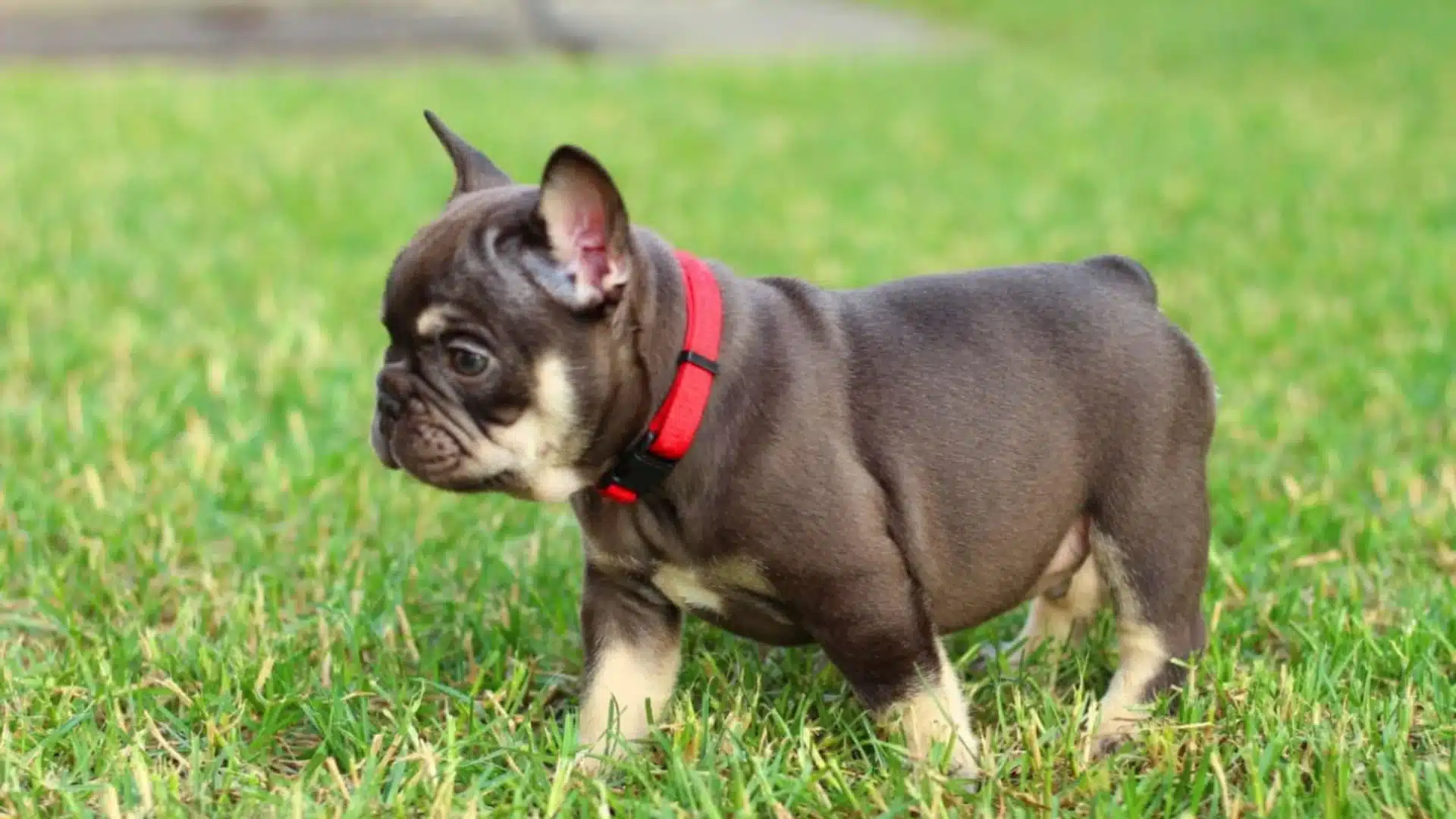
Chocolate and tan Frenchies have a rich chocolate base coat with clearly defined tan markings on the face, chest, and legs.
This color is produced by both the chocolate and tan point genes working together.
- Life Expectancy: 10 to 12 years with proper care and regular vet visits.
- Health Implications: Prone to breathing difficulties and skin sensitivity.
- Grooming: Regular brushing, facial fold cleaning, and ear checks keep them in good shape.
- Diet: A protein-rich diet with measured portions helps prevent weight gain.
- Temperament: Loving, cheerful, and devoted companions.
How Can You Check if You Think Your Frenchie’s Color is Rare?
Not sure whether your French Bulldog’s color is actually rare. The following are a few ways to check:
- Look at the coat color: Standard colors include fawn, brindle, and white. If yours looks different, it might be something special.
- Check the eyes and nose: Rare-colored Frenchies often have lighter eyes, blue, green, or grey, and lighter nose pigmentation.
- Talk to your breeder: A good breeder will know exactly what genes were involved and can confirm the color.
- Get a DNA test: This is the most reliable way. A dog DNA test shows the exact color genes your Frenchie carries.
Final Thoughts
Rare French Bulldog colors are beautiful, but they come with a lot to consider.
From standard shades to exotic combinations, each color tells a story written in the language of genetics.
It’s not just about finding a pretty coat.
Knowing the difference between AKC-recognized rare colors and exotic ones helps buyers make smarter, more informed decisions.
Before buying, check health clearances, ask questions, and work with trusted breeders.
Frequently Asked Questions (FAQs)
1. What Colors are Not Accepted in Frenchies?
The AKC does not accept solid black, black and tan, black and white, liver, or grey and white. These fall outside the official breed standard.
2. Are Frenchies Hard to Potty Train?
They’re not the easiest breed to train, but they’re far from impossible.
3. What is the Cheapest Frenchie Color?
Brindle and fawn are typically the most affordable French Bulldog colors. They are the most common, making them easier to breed and widely available.