
What exactly is a Frenchton?
You’ve seen the breed pop up everywhere, but can’t get a straight answer.
They’re one of the easiest small dogs to understand, and even easier to love.
This post covers everything you need to know about the Frenchton, one of the most popular small dog breeds around right now.
About Frenchtons
The Frenchton is a relatively new mixed breed that originated in the United States in the 1990s.
Breeders crossed a French Bulldog with a Boston Terrier, and the idea was to create a healthier, more well-rounded dog.
Both parent breeds had their own issues, so combining them seemed like a smart move.
And the result was a much healthier dog than the purebred parents.
Frenchtons quickly won people over with their charm and personality, and today they have become increasingly popular.
Appearance of Frenchtons

A Frenchton is a compact, sturdy little dog that turns heads wherever it goes.
It takes the best physical traits from both parent breeds. The result is a dog that looks strong yet adorable at the same time.
Its physical traits make it very easy to differentiate from other breeds.
1. Weight
Frenchtons are small but solid dogs.
They typically weigh between 15 and 25 pounds, depending on which parent breed they take after more.
Males tend to sit on the heavier side, while females are usually a bit lighter.
Their weight makes them easy to carry, and they fit well in most living spaces, including apartments.
2. Size
In terms of height, Frenchtons usually stand around 11 to 14 inches tall at the shoulder.
Their compact size makes them great travel companions, and they don’t need a huge yard to stay happy and active.
They are classified as a small breed, but they carry themselves with a lot of confidence.
3. Distinctive Features
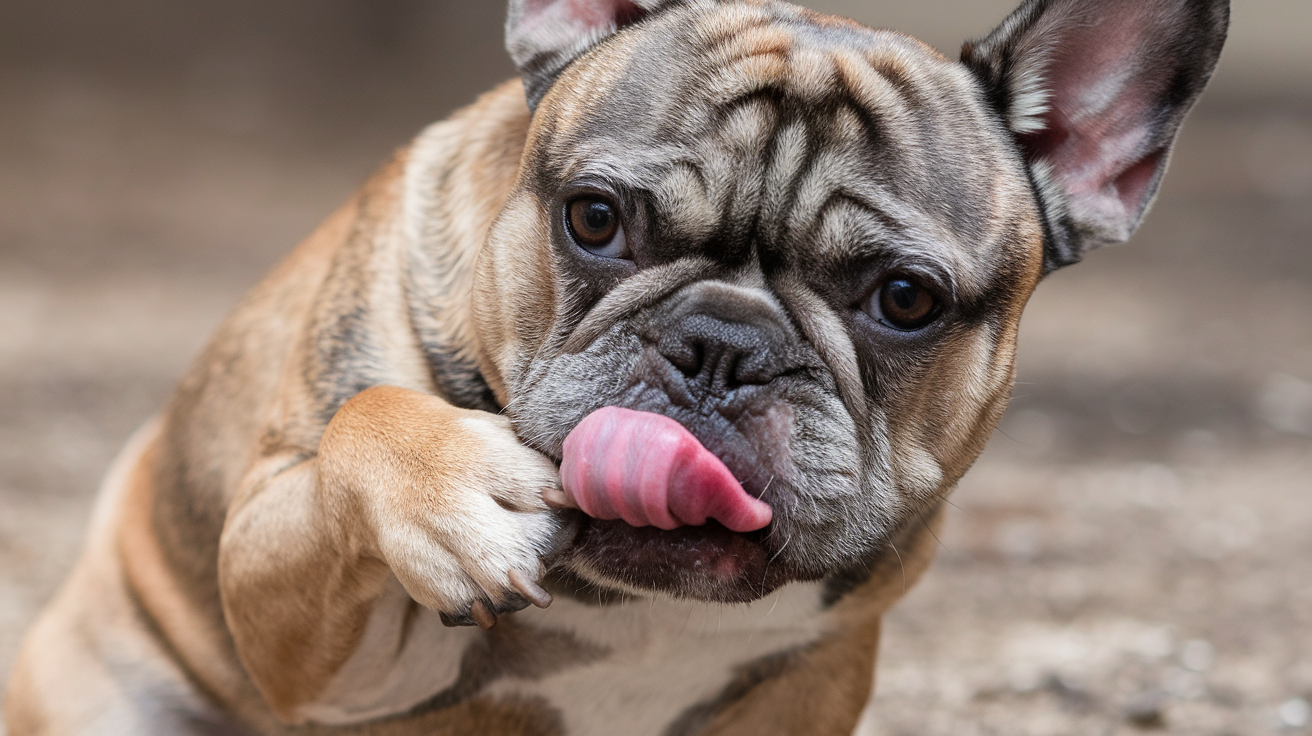
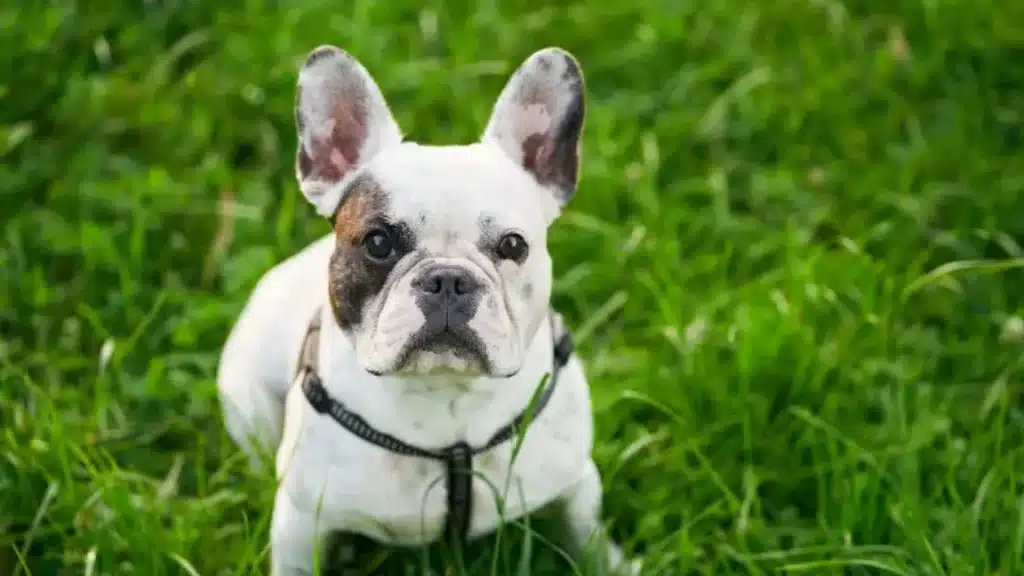
The Frenchton has a round, flat face with big, expressive eyes that are hard to resist.
Their ears stand upright, much like a Boston Terrier’s. They have a short, smooth coat that comes in a range of colors, including black, white, brown, and brindle.
Their short, stubby tail and muscular build give them a distinctive, recognizable look.
Frenchton’s Behavior and Temperament
Frenchtons are lively and social dogs.
They love being around people and do not do well when left alone for long periods. Separation can make them anxious and restless.
They are playful and curious by nature.
Always looking for the next thing to play with or someone to interact with, and they get along well with kids, strangers, and other pets, making them a great fit for busy, social households.
When it comes to temperament, Frenchtons are gentle and affectionate. They form strong bonds with their owners and thrive on attention and love.
They can be a little stubborn at times, but they respond well to consistent, positive training.
They are not aggressive, and they carry a calm, cheerful energy that makes them easy to live with and hard not to love.
Are Frenchton Kids Friendly?
Frenchtons are great with kids.
They are gentle, patient, and love to play, which makes them a natural fit for families. They are small enough not to knock a child over, but sturdy enough to handle a bit of rough play.
But it is always a good idea to supervise young children around any dog.
Just to keep things safe and fun for everyone, since dogs can be a little unpredictable around kids, and their behavior can change quickly.
Diet and Nutritional Needs of Frenchtons
Feeding a Frenchton the right way is very important for their good health and happiness.
They may be small, but their nutritional needs are important to get right, as a poor diet can lead to weight gain, digestive issues, and low energy.
| Nutritional Need | Key Sources | Benefits |
|---|---|---|
| High-quality protein | Chicken, beef, fish | Supports muscle health and keeps energy levels up |
| Healthy fats | Omega-3 and omega-6 fatty acids, fish oil, flaxseed | Promotes healthy skin and coat |
| Complex carbohydrates | Whole grains, vegetables | Provides energy, supports digestion, and keeps the dog full longer |
| Vitamins and minerals | Balanced dog food | Supports bone health, immune function, and overall well-being |
| Fresh water | Clean, fresh water daily | Prevents overheating and keeps the dog properly hydrated |
| Portion control | Measured meals twice a day | Maintains a healthy weight and prevents obesity |
Grooming and Care Tips for Frenchtons
Frenchtons are fairly low-maintenance when it comes to grooming.
Their short, smooth coat only needs a quick brush once or twice a week. Make sure to use a brush with soft bristles that complements their sensitive skin.
Their facial folds need regular cleaning to prevent irritation and infection.
Nail trimming, ear cleaning, and occasional baths make a simple but effective grooming routine that keeps a Frenchton looking and feeling its best.
Health Issues Related to Frenchtons
Like all dog breeds, Frenchtons are prone to certain health conditions.
Most of these come from their parent breeds, the French Bulldog and the Boston Terrier, and being aware of these issues early on can help you take better care of your dog.
1. Breathing Problems
Frenchtons have flat faces, which makes them a brachycephalic breed.
This means their airways are shorter and narrower than those of other dogs, and as a result, they can struggle with breathing, especially during exercise or in hot weather.
You should avoid overexerting your Frenchton and keep it cool to prevent any issues.
2. Hip Dysplasia
Hip dysplasia is a condition where the hip joint does not develop properly.
It can cause pain, stiffness, and difficulty moving around, and Frenchtons can inherit this condition from either parent breed.
Keeping the dog at a healthy weight and scheduling regular vet check-ups are recommended.
3. Skin Allergies
Frenchtons can be prone to skin allergies, which often show up as itching, redness, or rashes.
Certain foods, environmental factors, or grooming products can trigger these reactions. Identifying the cause early is key.
A vet can help with the right treatment plan, including a diet or medicated shampoos.
4. Eye Conditions
Due to their large, prominent eyes, Frenchtons are more exposed to dust, debris, and irritants.
This makes them vulnerable to conditions such as cherry eye, dry eye, and infections.
Along with regular vet visits, watch for redness, discharge, or excessive blinking as warning signs.
Frenchton vs French Bulldog
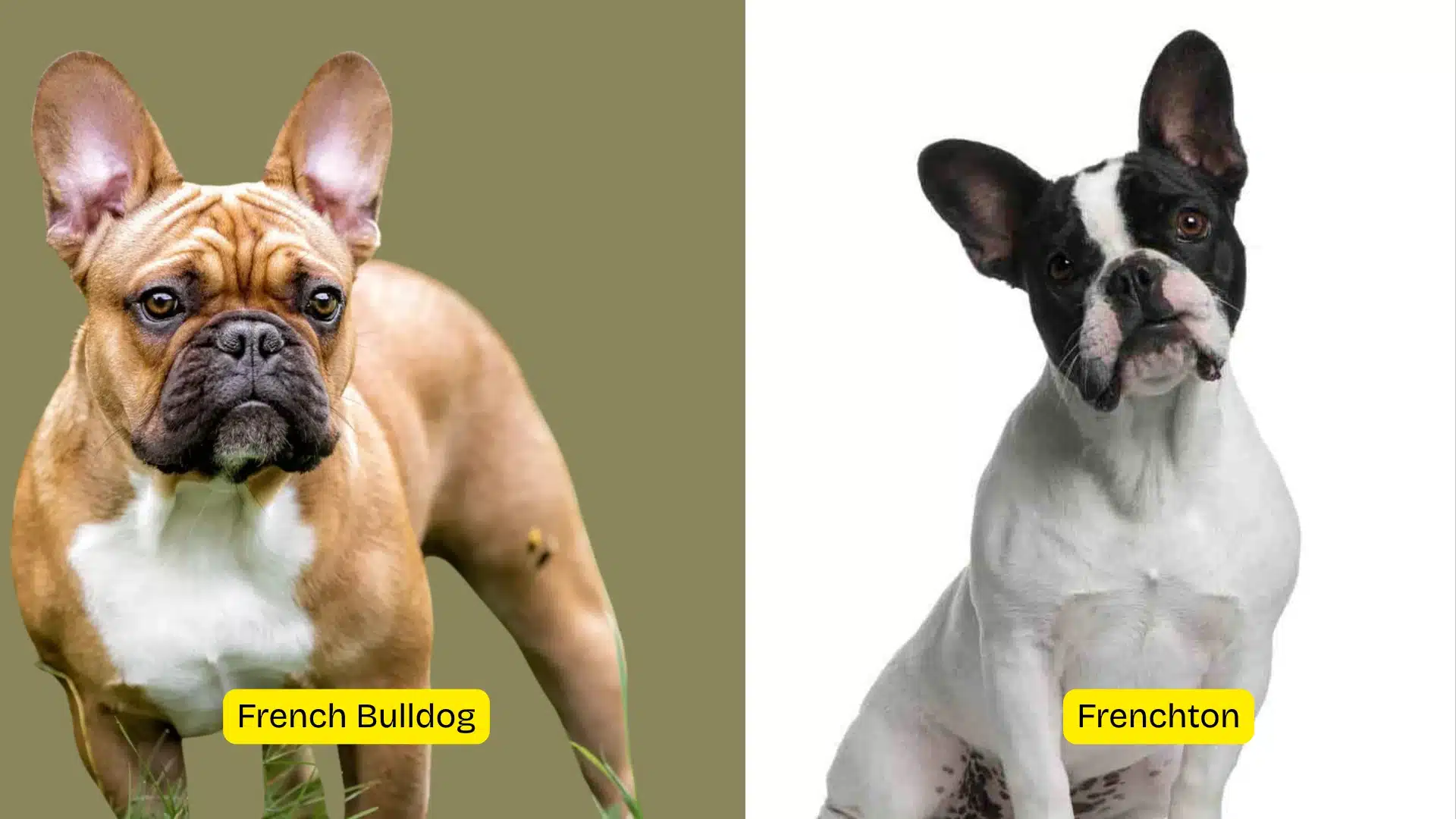
Frenchtons and French Bulldogs may look similar at first glance, but they are quite different dogs.
One is a purebred, and the other is a mixed breed.
| Feature | Frenchton | French Bulldog |
|---|---|---|
| Weight | 15–25 pounds | 20–28 pounds |
| Appearance | Leaner, more athletic, upright ears, slightly longer snout | Stockier, flatter face, rounder build |
| Personality | Energetic, playful, alert, and curious | Calm, laid back, and relaxed |
| Friendliness with Other Dogs | Sociable and easy-going in social settings | Can be territorial, especially with same-sex dogs |
Final Thoughts
Frenchtons are playful and, combined with their compact build and their friendly nature, there is a lot to love about this breed.
They do come with a few health considerations.
But with the right care and regular vet visits, they become not only easy to maintain but also a hassle-free addition to your family.
Frequently Asked Questions (FAQs)
1. How Much do Frenchtons Cost?
Frenchtons typically cost between $500 and $3,500. The price depends on the breeder, location, and the puppy’s lineage. Always buy from a reputable breeder.
2. Are Frenchtons a Good Breed?
Yes, Frenchtons are a great breed. They are friendly, low-maintenance, and good with families and kids.
3. Are Frenchtons Easy to Potty Train?
Frenchtons are generally moderate to challenging to potty train, rather than easy to potty train.