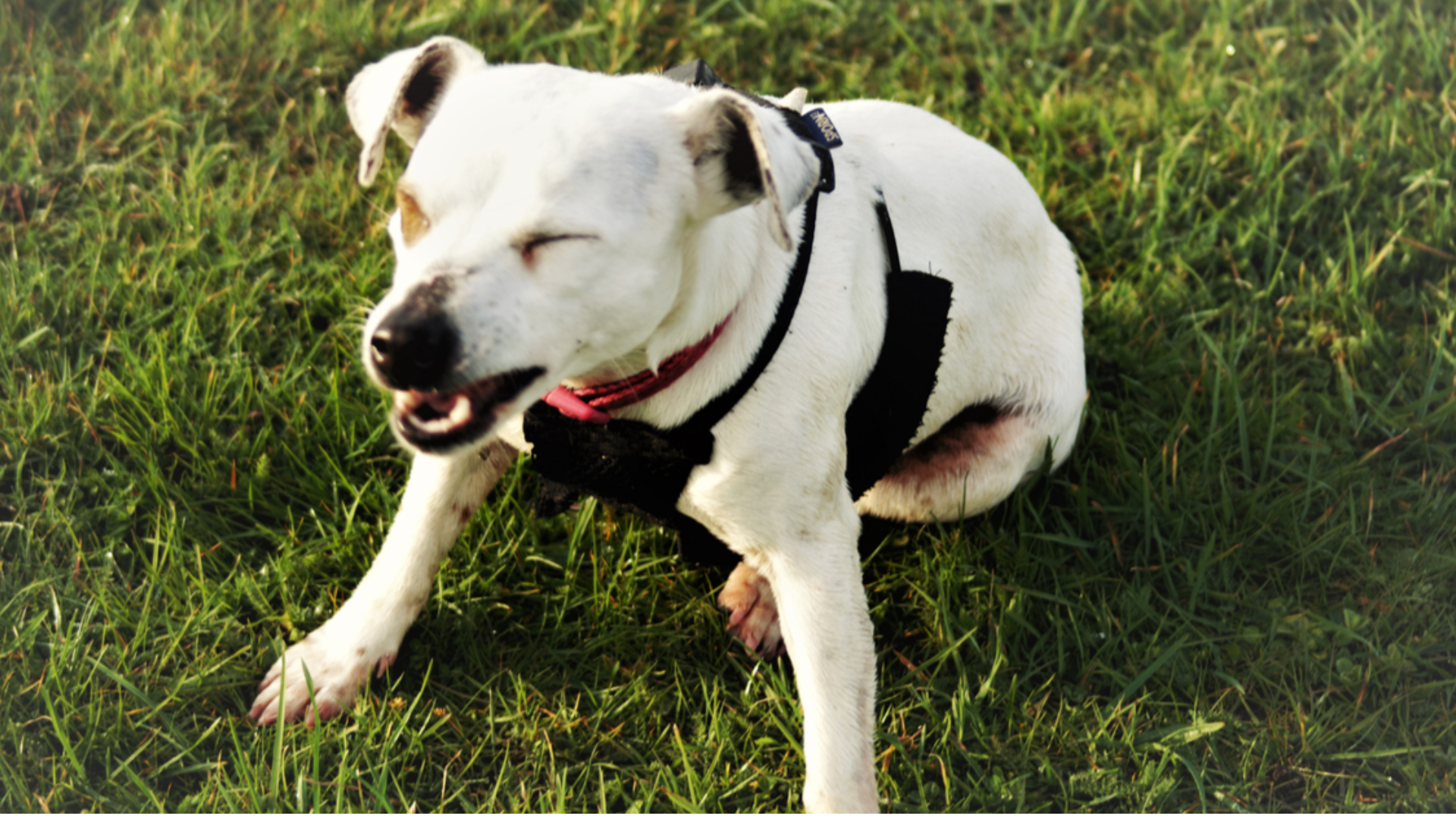
Every dog owner has heard that long, haunting sound that makes you stop and wonder what your dog is trying to say.
Many assume dogs howl randomly, but there’s much more going on.
Let’s find out why do dogs howl, what it means, and how you can respond in a way that strengthens your bond.
The Evolutionary Roots of Howling
Dogs inherited howling from wolves thousands of years ago. Wolves developed this vocalization for long-distance communication since howls travel farther than barks.
In the wild, wolves howl to:
- Call their pack together when separated.
- Mark territory and defend boundaries.
- Share location and emotional state.
Your dog howls for similar reasons, but adapted to home life.
They may howl when family members leave, respond to neighborhood sounds, or express emotions like loneliness or excitement.
Key Reasons Behind Dogs’ Howling
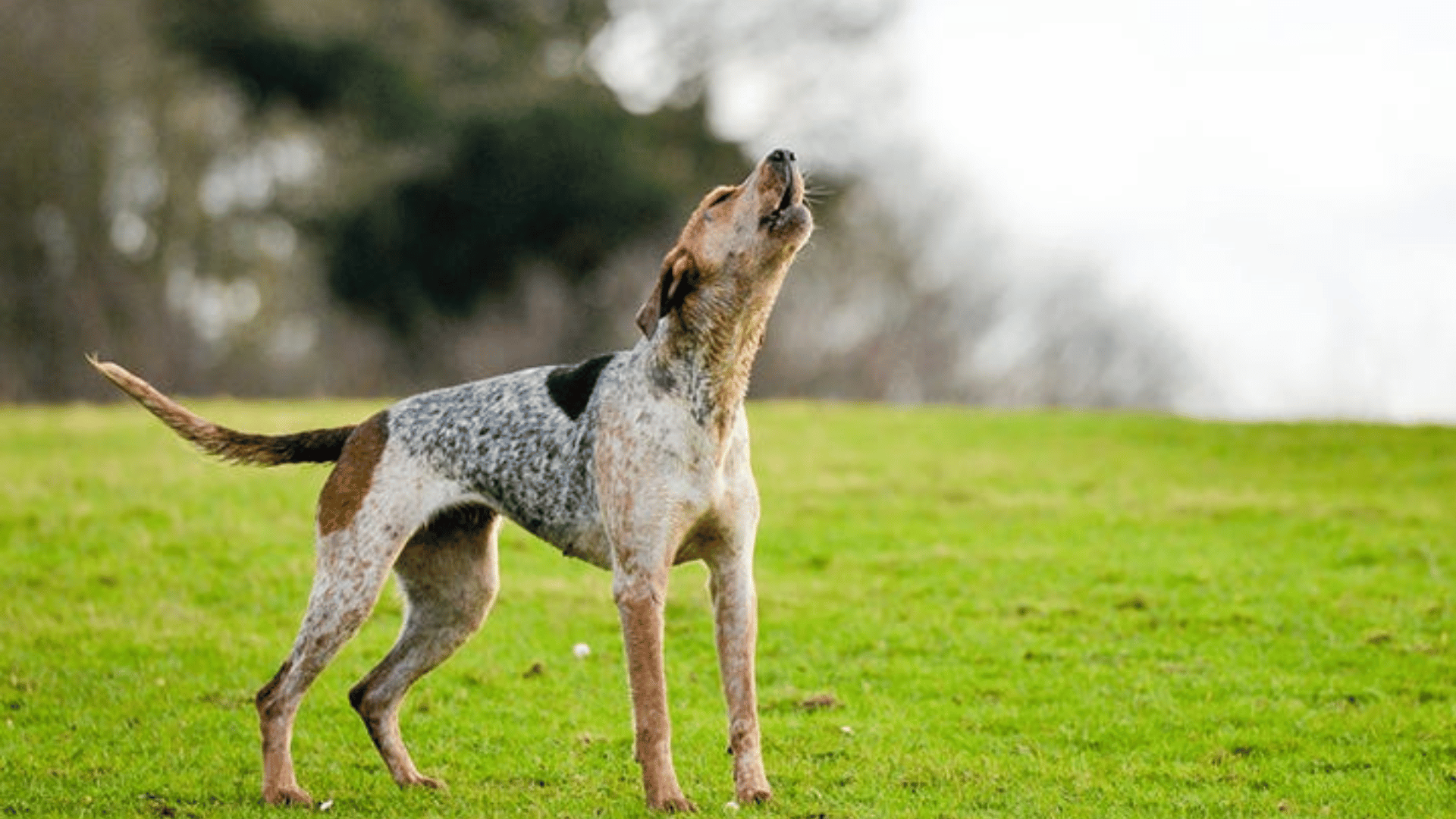
Dogs howl for a variety of reasons that stem from their wolf ancestry and emotional needs.
Understanding these motivations helps you decode what your furry friend is trying to communicate through their vocalizations.
Communication
Dogs howl to stay connected with their pack – that’s you and your family. It’s their primary way of maintaining bonds and sharing information across distances.
This ancient communication method helps them feel secure and connected to their loved ones.
Your dog uses howling to keep track of family members and check on the pack when someone leaves or moves to another room.
This behavior comes directly from wolves, who howl to locate pack members during hunts.
Emotional Expression
Howls also reflect your dog’s emotions, with different moods creating distinct vocal patterns.
- Happy howls are short and musical, while anxious howls sound higher-pitched and urgent.
- Lonely howls are drawn-out and mournful, often growing louder without response.
- Bored howls happen randomly with attention-seeking behaviors.
Some dogs learn that howling gets attention, creating dramatic but brief sounds that stop once you react.
Responses to Environment and Triggers
Dogs react strongly to certain sounds in their environment, with triggers making even quiet dogs suddenly start howling.
High-pitched sounds like sirens and alarms trigger howling because they hit the same frequency range.
As other dogs’ howls, it makes your pet think another dog is trying to communicate.
Dogs naturally howl back when they hear other dogs or even when you howl, treating it like joining a neighborhood conversation and including you as a valued pack member.
Territorial and Protective Howling
Somehow, howls act as a natural security system.
By howling, your dog announces, “This is my space.” Wolves used this same tactic to mark and defend their territory in the wild.
Territorial howls tend to be loud, long, and confident, with your dog standing tall as if projecting their presence outward.
When strangers approach, a protective howl may serve as both an alert to you and a warning to the outsider.
Howling Tendencies by Dog Breeds
Not all dogs howl the same way or for the same reasons. Several factors shape how and when your dog chooses to vocalize.
| Breed | Howling Frequency | Typical Reasons for Howling | Breed Type / Purpose |
|---|---|---|---|
| Siberian Husky | Very High | Communication, excitement, responding to sounds | Working / Sled Dog |
| Alaskan Malamute | High | Pack communication, bonding, and attention-seeking | Working / Arctic Breed |
| Beagle | High | Tracking scents, alerting handlers, excitement | Hunting / Scent Hound |
| Bloodhound | High | Signaling scent trail, communication with humans | Tracking / Search Breed |
| German Shepherd | Moderate | Territorial alert, protection, attention | Herding / Guard Dog |
| Great Pyrenees | Moderate | Guarding, alerting to distant sounds | Livestock Guardian |
| Labrador Retriever | Low | Emotional expression, seeking attention | Sporting / Companion |
| Greyhound | Rare | Occasional emotional response, curiosity | Racing / Companion |
| Bulldog | Rare | Minimal vocalization; may whine or bark instead | Companion |
| Shiba Inu | Variable | “Shiba scream” in response to excitement or frustration | Ancient / Primitive Breed |
Why Do Dogs Howl When You Howl?
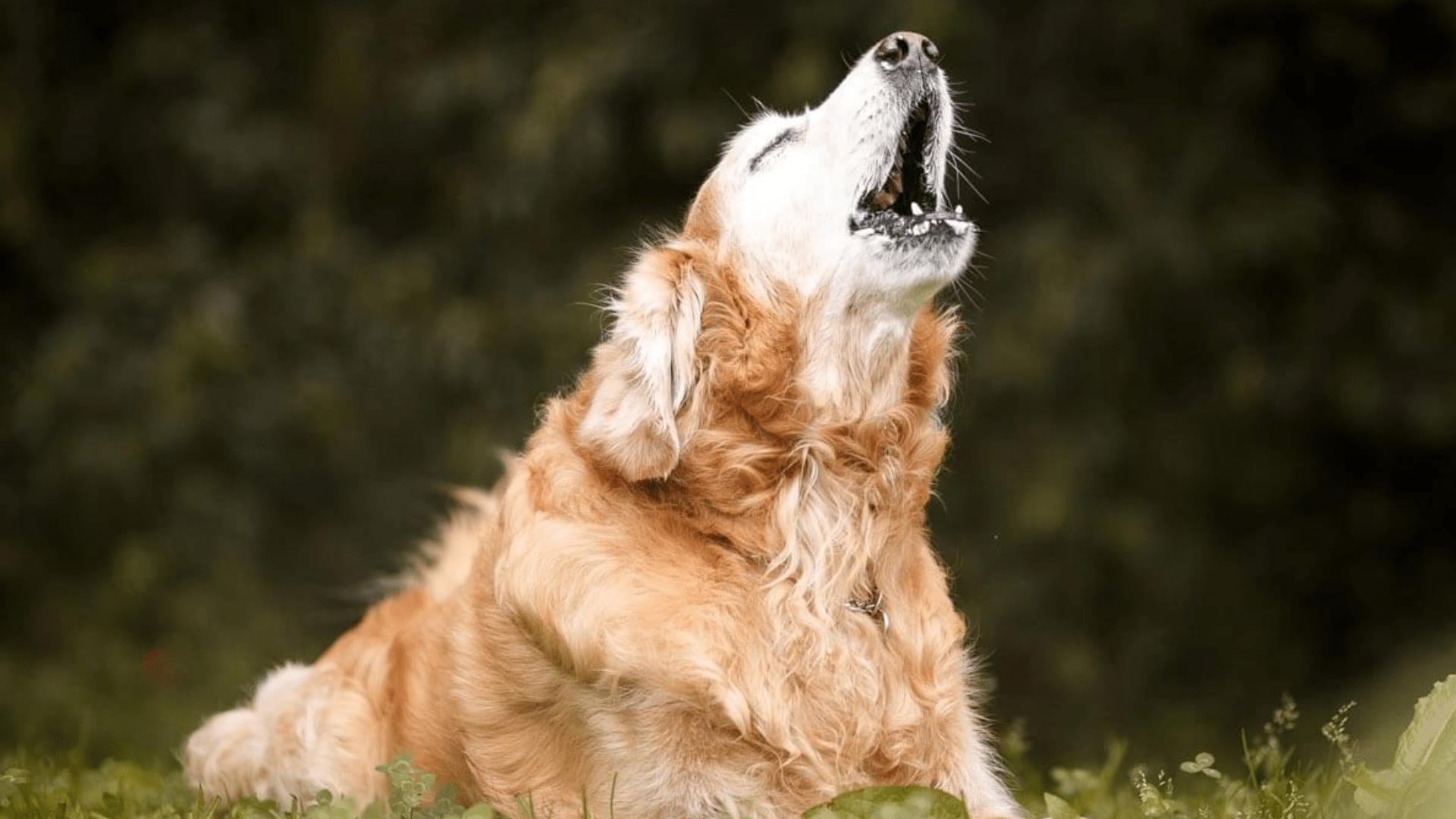
Dogs howl back when you howl for several reasons rooted in their social nature and bond with humans.
- Mimicry and Social Bonding: Dogs see howling as a shared activity and join in to feel included. This vocal imitation strengthens your bond and reinforces their sense of family belonging.
- Pack Instinct and Instinctive Reply: Dogs retain pack mentality from their wolf heritage. When you howl, they respond as if answering a pack call. This acknowledges you as part of their group.
- Emotional Synchronization with Owners: Dogs emotionally sync with their owners and mirror your emotional cues. Howling becomes an emotional dialogue that deepens your bond.
When Howling Becomes a Problem
While howling is natural, sometimes it signals deeper issues:
Separation Anxiety
Dogs with separation anxiety produce long, urgent howls when left alone, often lasting for hours.
These distressing vocalizations are usually accompanied by destructive behavior, pacing, or attempts to escape. The howling typically starts immediately after you leave and continues until you return.
Medical Concerns
Pain, hearing loss, or neurological changes can cause sudden or excessive howling in previously quiet dogs.
Dogs experiencing pain may howl when being moved or touched.
Hearing loss can make dogs howl louder because they can’t gauge their own volume. Brain changes or neurological conditions may also trigger unusual vocal behaviors.
Cognitive Decline
Older dogs may howl more due to confusion, disorientation, or canine cognitive dysfunction.
Senior dogs might howl at night when they feel lost or confused in familiar spaces.
This type of howling often occurs alongside other symptoms, such as changes in sleep patterns, house-training accidents, or altered social behavior.
Howling at Night
Night howling disrupts everyone’s sleep. It can happen due to loneliness, hearing other animals outside, or medical issues. Older dogs might howl at night due to confusion or cognitive decline.
Myths and Superstitions About Dog Howls
Dog howls have long been surrounded by myths, but most have simple, natural explanations.
1. A dog howling means death or bad luck.
Reality: Dogs howl to communicate, respond to sounds, or express emotions, not to predict events.
2. Dogs howl because they see ghosts or spirits.
Reality: They may react to faint noises, scents, or movements that humans can’t perceive, not the supernatural.
3. The length or tone of a howl reveals hidden meanings.
Reality: Howling tone changes with a dog’s mood, excitement, anxiety, or loneliness, not mystical messages.
4. Only certain breeds howl because they’re closer to wolves.
Reality: All dogs share this instinct; some breeds just have stronger vocal tendencies.
Howling isn’t a bad omen; it’s simply a dog’s way of expressing instinct and emotion.
Conclusion
From wolf instincts to everyday triggers, every howl carries meaning.
Some howls express joy, others loneliness, and some are protective alerts. The key is knowing when it’s normal communication and when it signals distress.
Next time your dog throws its head back, pause and listen.
They might be telling you something important about how they feel, or simply reminding you that you’re part of their pack.