Your dog turns away from dinner but does tricks for treats? Frustrating, right?
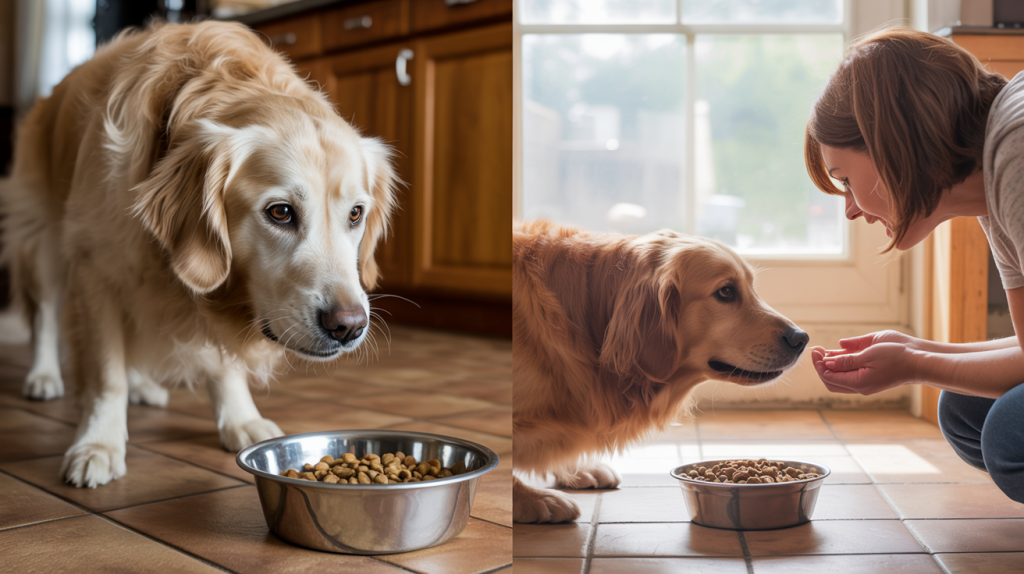
If you’re asking, “why is my dog not eating his food, but will eat treats,” you’re dealing with a common problem.
This picky eating habit isn’t just annoying; it might signal health issues or behavioral patterns you’ve accidentally created.
But here’s the good news: once you understand why your pup is doing this, you can fix it. And trust me, getting your dog back to normal eating habits is easier than you think.
Let’s figure out what’s going on and get your furry friend back to eating properly.
Dog Eating Habits
Dogs aren’t naturally picky eaters. In the wild, they’d eat whatever they found without complaint.
A healthy dog typically finishes their meal within 10 to 15 minutes and maintains steady energy levels.
But treats change the game completely. They’re loaded with extra flavor, fat, and all the good stuff that makes regular kibble taste boring by comparison.
When your dog figures out that refusing dinner might lead to something tastier, they start testing you. And if it works even once, they’ll keep trying.
This creates a frustrating cycle that leaves you wondering what went wrong and how to fix it.
Once you know what’s normal, the next step is figuring out why your dog is refusing food now.
How to Respond to Food Refusal
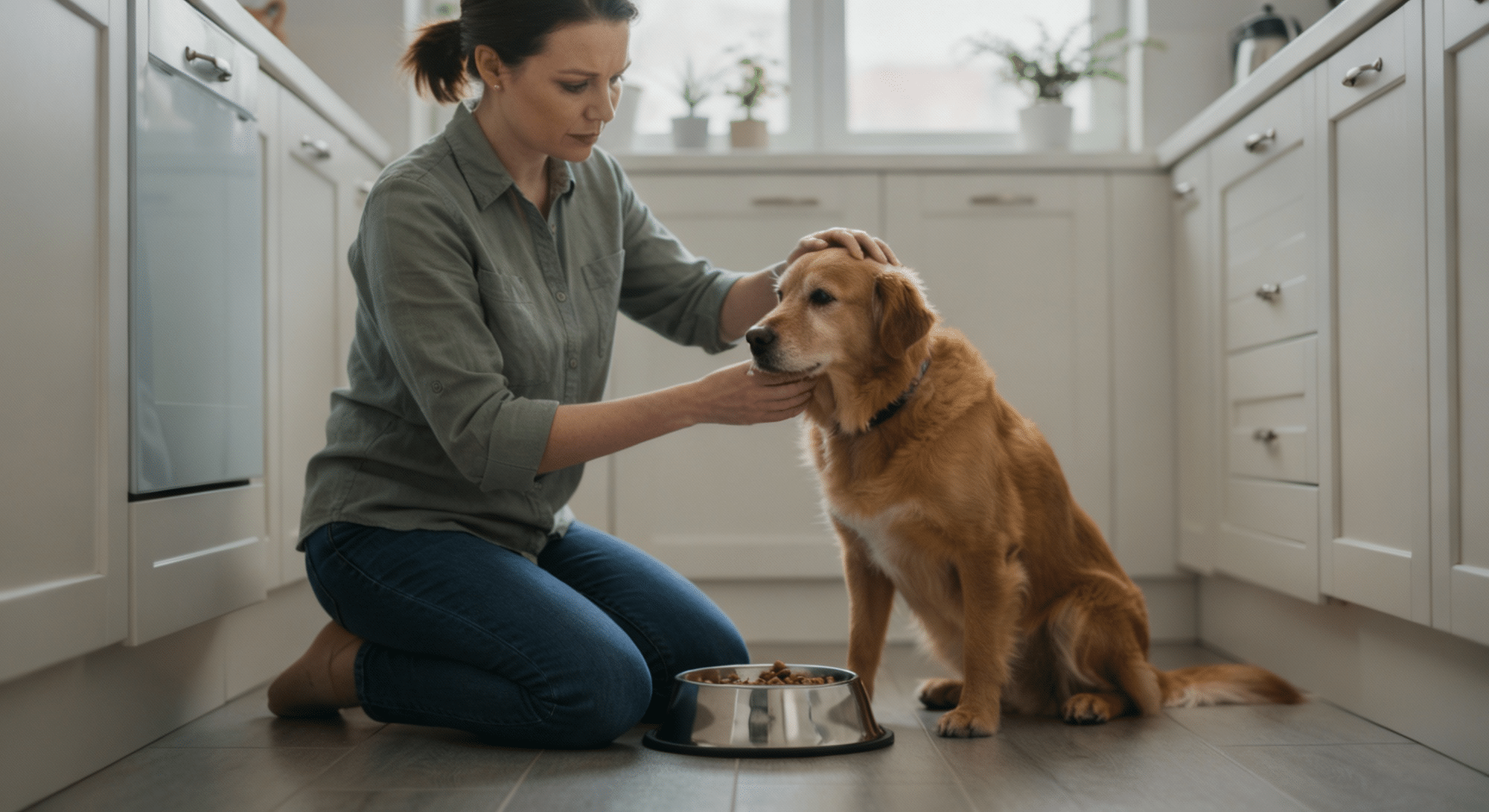
When your dog suddenly refuses food but gobbles treats, run through this quick checklist to figure out if it’s urgent or manageable at home.
1. Check for Emergency Warning Signs
Look for serious symptoms like vomiting, diarrhea, extreme tiredness, or signs of pain. If anything seems really off beyond just not eating, call your vet immediately.
2. Look at the Timeline
One skipped meal isn’t a big deal for healthy adult dogs. But if it’s been 24 hours or more, or if you have a puppy or senior dog who hasn’t eaten in 12 hours, get professional help.
3. Rule Out Simple Food Issues
Smell the food to see if it’s stale. Check the expiration date and feel the temperature. Sometimes the problem is the kibble, not the dog.
4. Pause the Treat Buffet
Stop giving treats completely for now. If your dog happily takes treats but ignores meals, you’ve got a behavioral issue, not a medical one.
Common Reasons Dogs Refuse Food but Eat Treats
Your dog isn’t being stubborn for no reason. There’s always something behind this behavior, and figuring out what it is makes all the difference.
Medical Causes
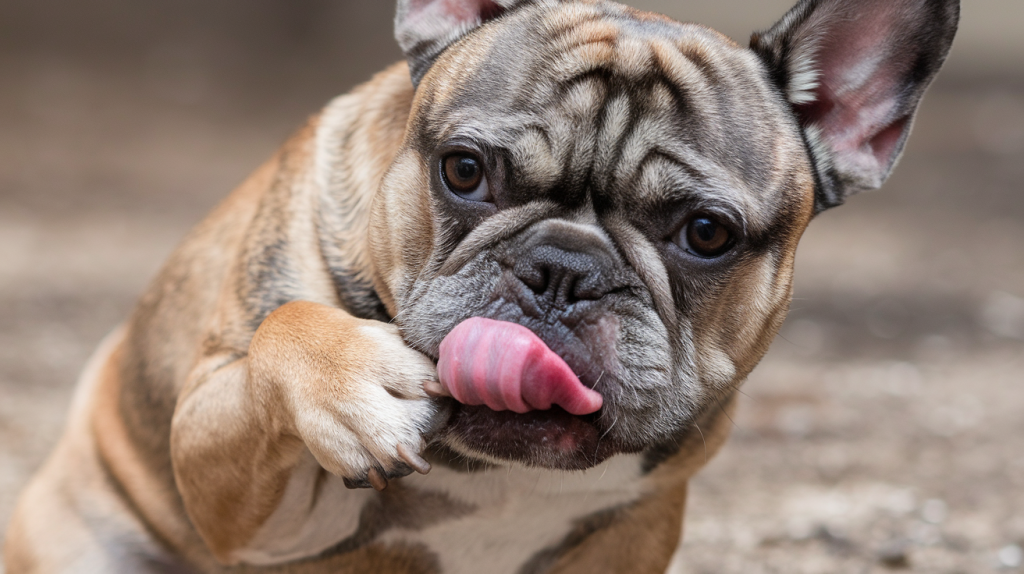
- Dental problems: Broken teeth or gum disease make chewing painful. Treats are softer and easier to manage.
- Digestive issues: Nausea or an upset stomach kills appetite, but small treats are easier to swallow.
- Food allergies: If something in their regular food triggers a reaction, they’ll avoid it.
- Organ problems: Kidney or liver disease changes how food tastes, especially in older dogs.
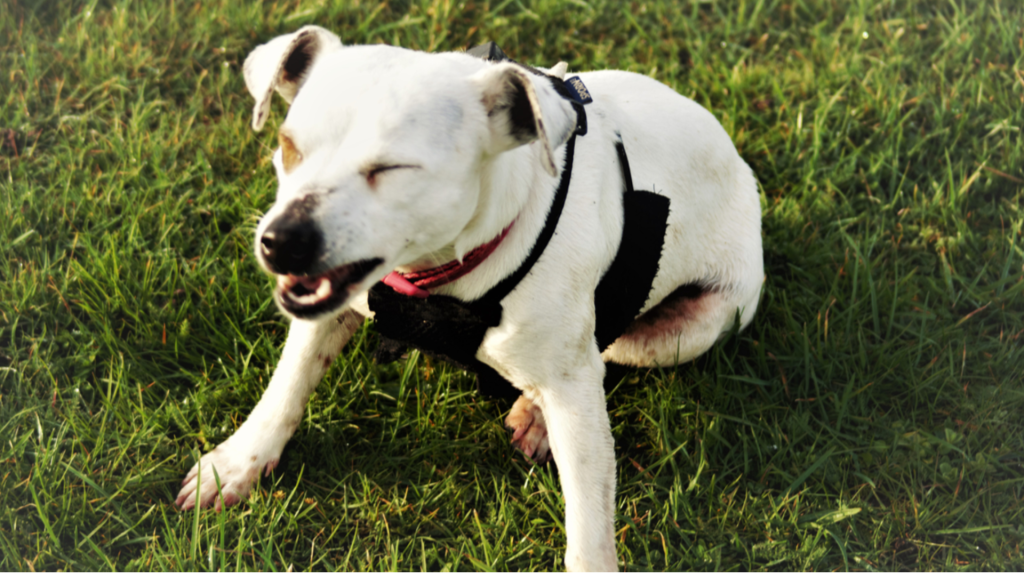
- Infections or parasites: These make dogs feel too sick to eat normally.
Behavioral & Psychological Causes
- Learned pickiness: You’ve accidentally taught them that holding out gets better food.
- Stress and anxiety: Changes at home or the arrival of new pets can kill their appetite.
- Attention-seeking: Refusing food gets them extra attention from you.
- Fear around the food bowl: Something scared them while eating, and they remember it.
- Boredom with routine: Same food, same spot, same time gets old.
Food-Related Causes
- Poor quality ingredients: Cheap fillers and artificial flavors taste bad. Your dog notices.
- Stale or spoiled food: Kibble goes bad faster than you think, especially in heat.
- Wrong food for their age: Puppy food for adults or senior food for young dogs doesn’t work.
- Texture problems: Hard kibble might hurt sensitive teeth.
- Temperature matters: Cold food doesn’t smell strong. Warmed food releases more aroma.
Check the expiration date on your dog food bag and smell it yourself. If it doesn’t smell fresh to you, it probably doesn’t to your dog either.
Even when the food is fine, treats can unintentionally create a preference your dog won’t ignore.
How Treats Reinforce the Problem
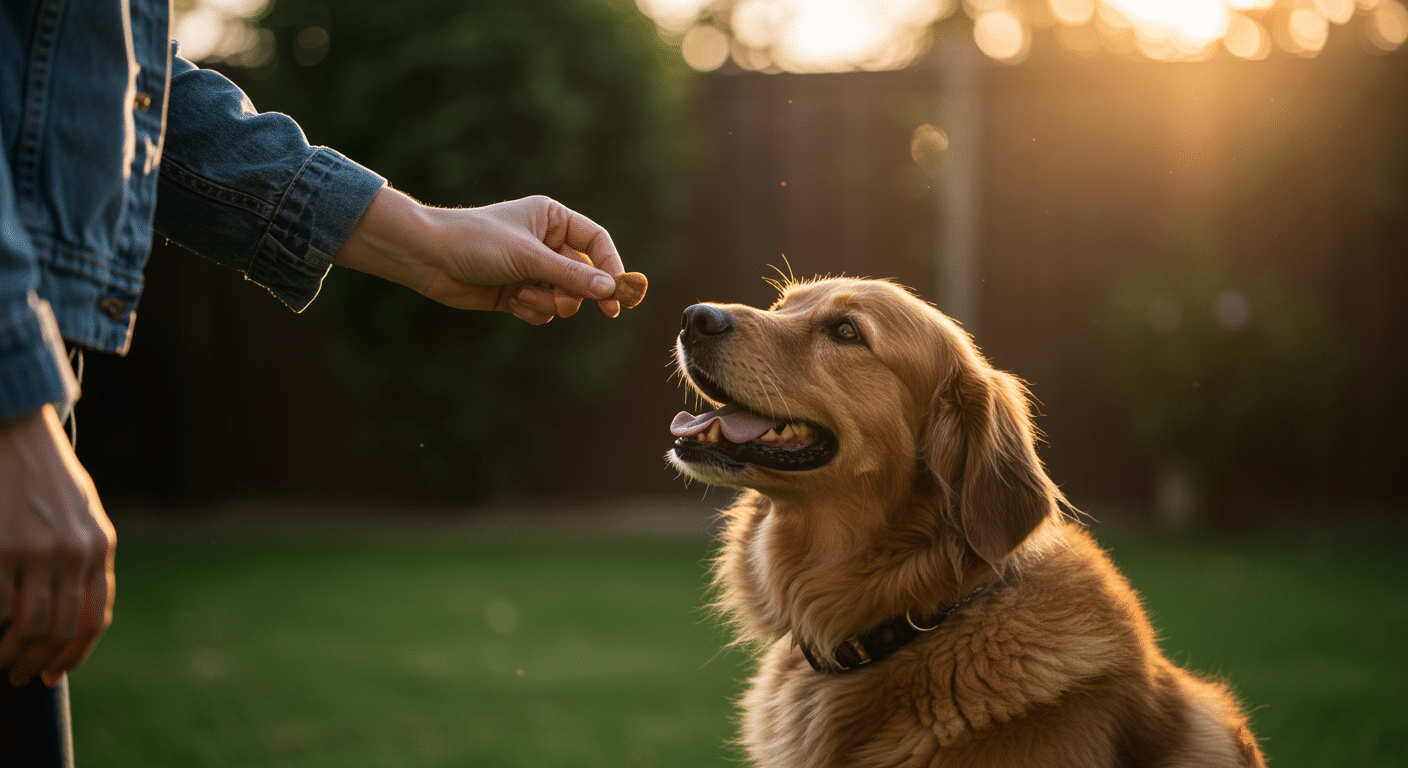
You’re not trying to create a picky eater, but that’s exactly what happens when you give treats after your dog refuses their meal. Your dog skips breakfast, you worry, so you offer a treat.
They learn that refusing boring food leads to the good stuff.
Dogs are smart about cause and effect. Treats are designed to be irresistible with concentrated flavors that regular kibble can’t match.
Plus, treats come during fun moments while meals are just routine.
Every time you cave, you’re strengthening this behavior. Your dog has turned mealtime into a negotiation, and they’re winning.
Preventative Measures to Take
The good news is you’re not stuck with a picky eater forever. This problem can be fixed with the right approach and a bit of patience.
Rule Out Medical Issues
Schedule a vet visit before trying anything else. Your vet can check for dental disease, run blood work, and rule out serious problems that need treatment.
Improve Mealtime Appeal
Make regular food more tempting by adding wet food to kibble, mixing in low-sodium chicken broth, or warming it slightly. You can also upgrade to higher-quality, real-meat options.
Adjust Feeding Routine
Feed at the same times daily. Put the food down for 15 to 20 minutes, then pick it up. No treats or snacks between meals.
Exercise Before Meals
Take your dog for a walk or play session before feeding time. Physical activity naturally increases appetite and makes them more interested in eating their meal.
Check Portion Sizes
You might be overfeeding, which means your dog isn’t actually hungry. Follow the feeding guidelines on the food bag based on your dog’s weight and activity level.
Behavioral Strategies
Stop rewarding refusal behavior. Cut back on treats and only use them for training. If your dog skips breakfast, don’t offer anything until dinner.
However, some situations go beyond picky eating and require fast action.
When It’s an Emergency
Most picky-eating situations aren’t urgent, but some signs indicate you need to get to the vet right away.
Don’t wait or try home remedies if you notice any of these red flags.
Signs that Need Immediate Attention
Your dog needs emergency care if they show any of these symptoms:
- Not eating for 24 hours or more – Especially concerning in puppies, senior dogs, or dogs with existing health conditions.
- Vomiting repeatedly – Once or twice might be normal, but multiple times in a day signals trouble.
- Diarrhea with blood – This indicates serious digestive problems or internal bleeding.
- Extreme lethargy – If your dog won’t get up, seems weak, or can’t stand properly.
- Visible pain – Whining, hiding, shaking, or aggression when you touch them means something hurts badly.
- Bloated or hard stomach – This can indicate bloat, which is life-threatening and needs surgery fast.
- Pale or blue gums – Normal gums should be pink. Pale or blue means they’re not getting enough oxygen.
- Difficulty breathing – Panting excessively, gasping, or struggling to breathe requires immediate help.
Special Cases that Can’t Wait
Puppies can’t skip meals like adult dogs can.
If a puppy under six months old refuses food for more than 12 hours, call your vet. Their blood sugar drops quickly, and they can develop serious problems fast.
Senior dogs also need faster attention. Older dogs often have underlying health issues that make skipping meals more dangerous. What seems like simple pickiness could be masking kidney failure, liver disease, or cancer.
If your dog has diabetes, is on medication, or has a chronic condition, missing meals affects their treatment.
Call your vet to ask if you should adjust medications or bring them in.
Final Thoughts
Now you know it could be health issues, learned behavior, or food quality problems.
The good news is most cases are fixable with consistency and patience. Start by ruling out medical concerns, then reset those treat habits and stick to a feeding schedule.
Your dog won’t starve themselves, and they’ll adapt faster than you think.
Stay firm, stay consistent, and you’ll have a healthy eater again soon.