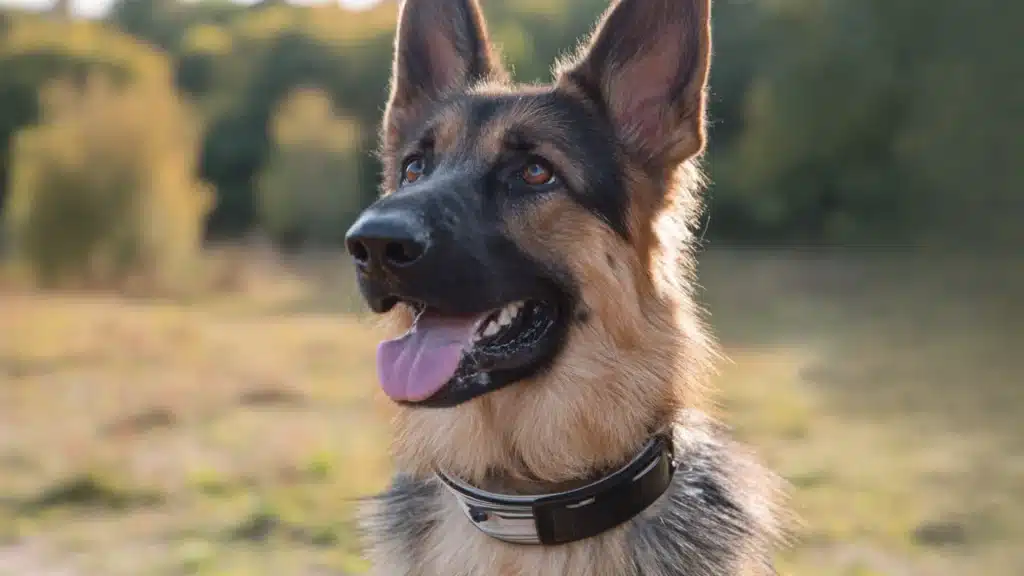
Dog shock collar training is one of the most debated topics.
You want your dog to behave well. But the mixed information out there makes it hard to know where to start.
This blog will clear things up for you.
It covers how shock collars work, when they’re used, and what you should know to make an informed choice for your dog.
What is Dog Shock Collar Training and When Is It Used?
A dog shock collar uses a remote-controlled device to send a mild electric signal to your dog’s neck.
It’s not about punishment, its about getting the dog’s attention and reinforcing commands.
Think of it as a way to communicate, especially when voice commands aren’t working.
Trainers don’t reach for a shock collar on day one. They use it when other methods haven’t worked.
For example, a dog that bolts toward traffic despite repeated commands, or a dog that barks nonstop and ignores every correction.
In these cases, dog shock-collar training becomes a structured, last-resort tool.
Key Benefits of Using a Shock Collar
Shock collars, when used correctly, offer some real advantages:
- Works well for off-leash training in open spaces
- Effective at a distance when voice commands don’t reach
- Provides consistent signals that your dog can learn to recognize
- Helpful for recall training, especially in high-distraction environments
- Reduces dangerous behaviors quickly when other methods have failed
The Dangers of Using a Shock Collar
Every tool has a downside. Here’s what to watch out for:
- Fear and anxiety: incorrect use can make your dog fearful and withdrawn
- Not for puppies: very young dogs are too sensitive for any level of stimulation
- Owner responsibility: Without proper training, the tool can do more harm than good
- Anxious dogs: Dogs that are already nervous may react badly to stimulation
- Over-reliance: depending too heavily on the collar can slow down natural learning
Note: The collar is only as good as the person using it. Always pair it with positive reinforcement for the best results.
Different Intensities of Dog Shock Collar
Not all stimulation levels are the same. Here’s a simple breakdown:
| Intensity Level | What It Feels Like | Best Used For |
|---|---|---|
| Level 1–3 | Barely noticeable tingle | Sensitive or small dogs |
| Level 4–6 | Mild attention-getting sensation | Basic command reinforcement |
| Level 7–9 | Moderate stimulation | Stubborn or distracted dogs |
| Level 10+ | Strong correction | Dangerous behaviors only |
Caution: Always start at the lowest level. Moving too high too fast can frighten your dog and set training back significantly.
Dog Breeds and Temperaments That Respond Best
Not every dog responds to shock collar training the same way. Temperament plays a big role.
Here’s what you need to know:
- Calm and Confident: These dogs respond best. They take correction without shutting down and bounce back quickly after each session.
- High-Energy and Driven: Breeds like German Shepherds, Labrador Retrievers, and Belgian Malinois fall here. They respond well and stay focused even in high-distraction environments.
- Excitable and Nervous: Dogs with strong prey drives and easily distracted behavior can benefit from the added focus the collar provides.
- Stubborn and Independent: Breeds like Beagles and Huskies sometimes need the extra reinforcement to follow through on commands they already know.
- Aggressive: Shock collars are not recommended here. Stimulation can escalate aggression and make behavior significantly harder to manage.
- Anxious and Fearful: These dogs are generally not good candidates. The added stimulation can increase stress and cause long-term behavioral issues.
Note: Always assess your dog’s temperament before starting. When in doubt, consult a professional trainer.
Teaching Basic Commands Using the Dog Shock Collar Training

Dog shock collar training works best when you teach commands the right way, step by step, with clear signals and consistent practice.
1. Sit
Start dog shock collar training with the “sit” command.
Say “sit” and gently press the button. The moment your dog sits, release the stimulation.
Repeat this consistently. Your dog will quickly connect the signal with the action.
Always reward after a correct response.
2. Stay
Say “stay” firmly and take a few steps back.
If your dog moves, use a light stimulation. Return and reward when your dog holds the position.
Keep sessions short. Build duration slowly over time.
3. Come (Recall Training)
- Say “come” in a clear, calm voice
- Press the stimulation button once
- Release the moment your dog moves toward you
- Reward immediately on arrival
- Practice in a safe, enclosed space first
4. Heel
Dog shock collar training works well for heel commands. Walk forward and say “heel”.
If your dog pulls ahead, use a brief stimulation.
The goal is to keep your dog at your side without tension on the leash.
5. Down
- Say “down” clearly
- Apply light stimulation if your dog doesn’t respond
- Release the moment they lie down
- Reward with praise
- Repeat until the response becomes automatic
6. Leave It
Say “leave it” when your dog approaches something they shouldn’t touch.
Use a quick, low-level stimulation to redirect attention. This command is especially useful outdoors.
Dogs learn fast when the correction is consistent and well-timed.
7. Place Command
- Point to a specific spot and say “place.”
- Use stimulation if your dog hesitates
- Release when they reach the spot
- Build duration gradually
- This is great for managing behavior indoors
8. No Bark / Quiet
Dog shock collar training is commonly used for excessive barking.
Say “quiet” firmly. Apply a brief stimulation when barking continues. Release the moment your dog stops.
Be consistent. Timing matters more than intensity here.
9. Boundary Training
- Walk the boundary line with your dog
- Say “boundary” or “back” at the edge
- Use stimulation if your dog crosses the line
- Repeat daily for best results
- Great for keeping dogs safe in open yards
10. Off Command
Say “off” when your dog jumps on people or furniture.
A quick stimulation reinforces the command. The moment all four paws hit the ground, reward your dog.
This is one of the most practical uses of dog shock collar training in everyday life.
What is an E-Collar and How Does It Work?
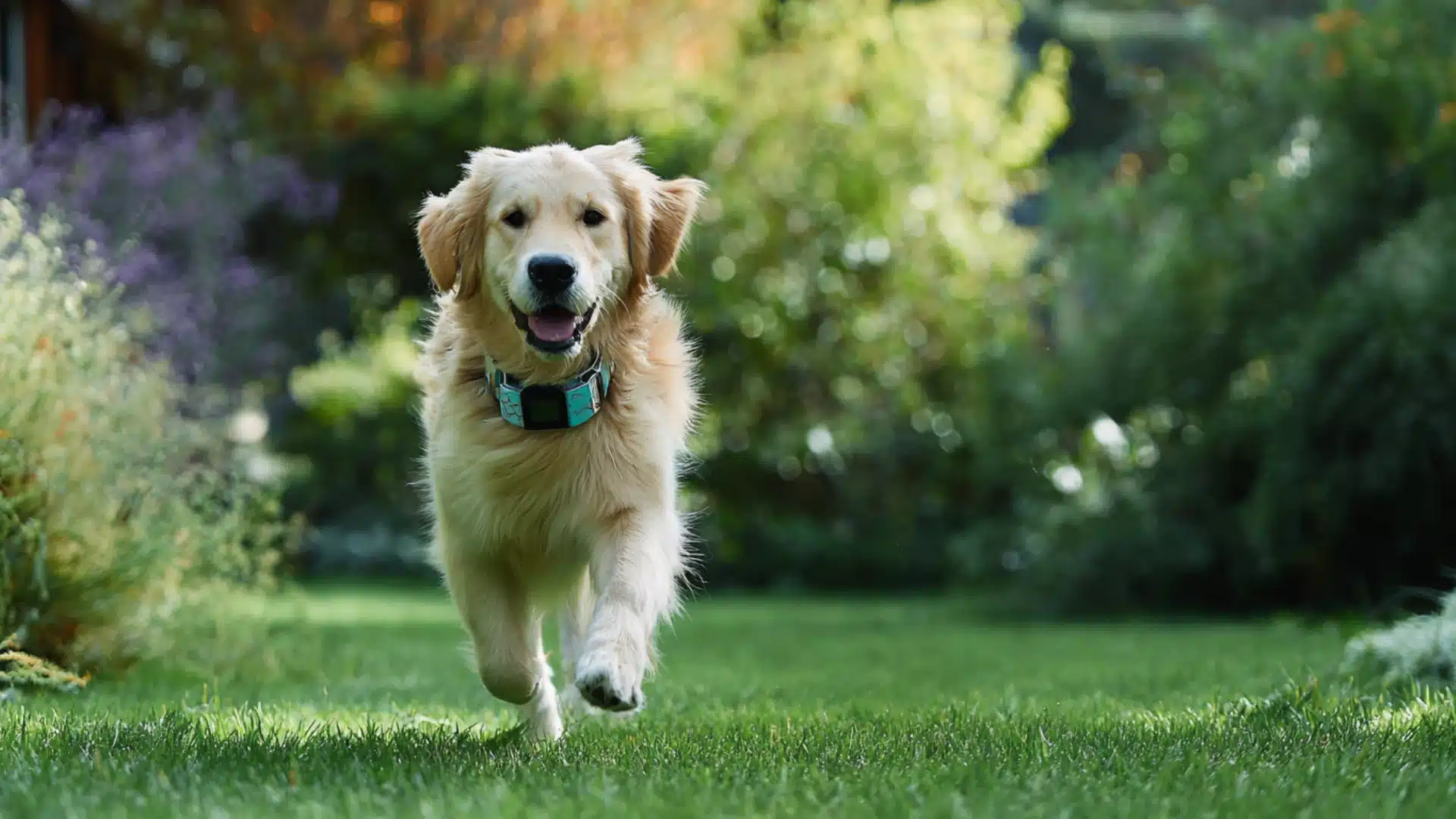
An e-collar, short for electronic collar, is the device used in shock collar training for dogs.
It sits around your dog’s neck and connects to a remote you hold. When you press a button, it sends a mild signal, like a tap or vibration, to get your dog’s attention.
Here’s what most e-collars can do:
- Send static stimulation at different intensity levels
- Vibrate or beep as a warning signal
- Work across distances of up to a mile
- Allow precise timing during training sessions
How to Choose the Right E-Collar
Not every e-collar works for every dog. Size, temperament, and training goals all matter.
Ask yourself these questions before buying:
- Is the collar the right fit for your dog’s neck size?
- Does it have adjustable stimulation levels?
- Is it waterproof for outdoor training?
If you are a new owner, start at the lowest setting and work up slowly. Pick a collar that matches your dog’s weight and energy level.
Dog Shock Collar vs E-Collar: What is the Difference?
Many people use these terms interchangeably, but there are some key differences worth knowing:
| Criteria | Shock Collar | E-Collar |
|---|---|---|
| Terminology | Older, more aggressive term | Modern, preferred term by trainers |
| Stimulation Type | Primarily static shock | Static, vibration, and beep options |
| Intensity Control | Limited adjustment levels | Wide range of adjustable levels |
| Training Purpose | Often seen as punishment-based | Used as a communication tool |
| Public Perception | Viewed negatively by many | More widely accepted by professionals |
E-collars are essentially an upgraded, more refined version of the traditional shock collar.
Will Using a Shock Collar Cause More Harm Than Good?
For most dogs, yes.
While shock collars can quickly suppress unwanted behavior, they don’t address the root cause. A dog that stops pulling out of fear is not a trained dog; it’s an anxious one.
Positive reinforcement consistently outperforms the shock collar training in the long term.
If your dog struggles on leash, better gear and consistent training will always be a safer, more effective starting point.
Never use a shock collar as a shortcut or out of frustration. If you are unsure about the correct technique, speak to a certified trainer before you start.
Safety Guidelines Every Dog Owner Should Follow
| Safety Rule | Why It Matters |
|---|---|
| Always start at the lowest stimulation level | Prevents unnecessary discomfort for your dog |
| Never use the collar on puppies under 6 months | Young dogs are too sensitive to stimulation |
| Limit training sessions to 15 minutes | Keeps your dog focused and stress-free |
| Remove the collar after each session | Prevents skin irritation from prolonged wear |
| Never use the collar out of frustration | Inconsistent corrections confuse your dog |
| Pair stimulation with a clear verbal command | Helps your dog understand what is expected |
| Check the fit regularly | A loose or tight collar causes discomfort |
| Consult a professional trainer before starting | Reduces the risk of misuse |
Do Vets Recommend a Shock Collar or an E-collar?
Most vets do not actively recommend shock collars.
The general view is that positive reinforcement-based training produces better long-term results without the risk of emotional harm.
That said, some vets acknowledge that e-collars, when used correctly and under professional guidance, can be effective for specific behavioral issues.
Most veterinary professionals prefer reward-based methods first.
A shock collar should always be a last resort and not a first response.
Final Thoughts
Dog shock collar training is not for every dog or every owner.
But when used correctly, it can make a real difference, especially for dogs that struggle with recall, boundaries, or excessive barking.
If you’re ready to take the next step, talk to a certified dog trainer before starting.
Have questions? Drop them in the comments below. We’d love to hear from you.
Frequently Asked Questions
1. What is a Alternative to a Shock Collar?
Positive reinforcement, clicker training, and vibration collars are popular alternatives that work well for most dogs.
2. What is The Hardest Command to Teach a Dog?
“Stay” is often the hardest command. It requires patience, consistency, and gradual distance-building over multiple training sessions.
3. What do Vets Say About Vibration Collars?
Most vets consider vibration collars safer than shock collars. They recommend them for sensitive dogs needing gentle behavior.