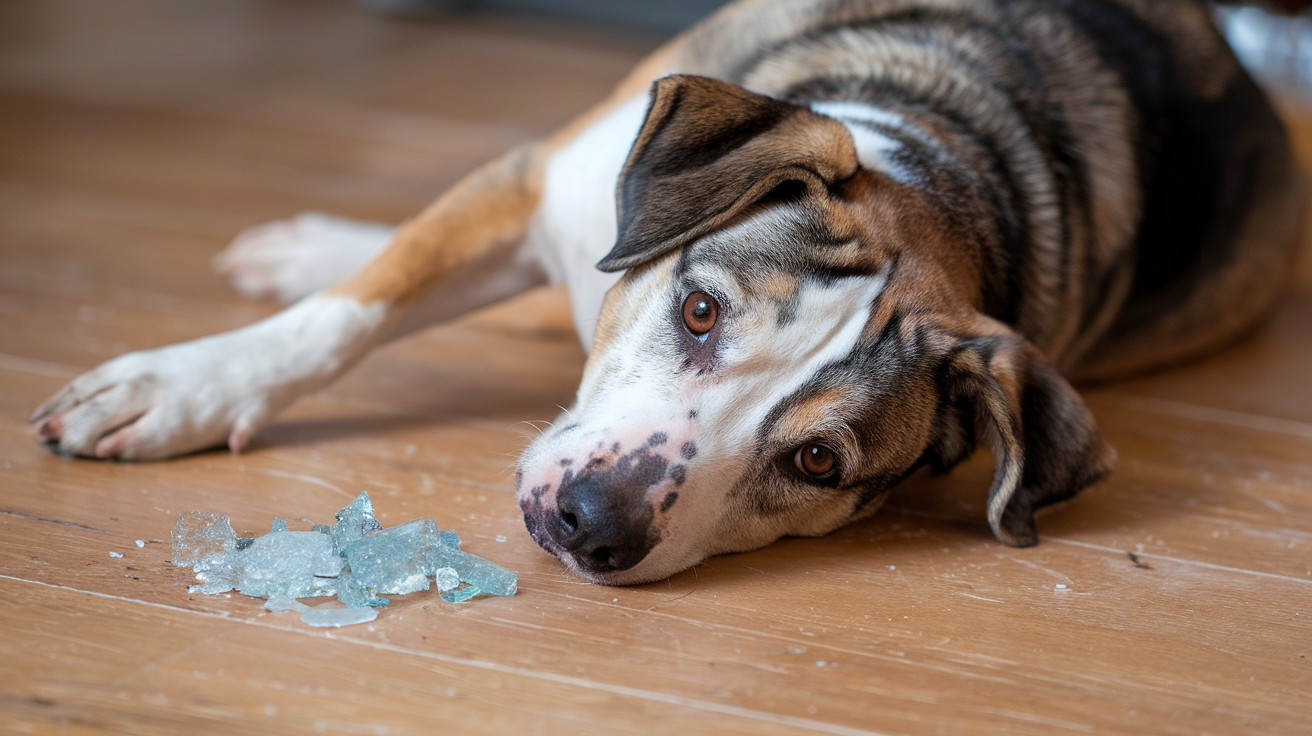
Is your dog vomiting repeatedly and refusing to eat? That’s not just an upset stomach.
It could be a bowel obstruction, and it can turn deadly in less than 48 hours.
Vets catch and treat this condition successfully every day, especially when you act fast.
This blog covers everything you need to know about bowel obstruction, from spotting the early signs to understanding how vets treat it.
What Causes Bowel Obstruction in Dogs?
A bowel obstruction happens when something blocks your dog’s intestines.
This blockage stops food, water, and waste from moving through the digestive tract normally.
The blockage can occur in two places: the small intestine, which is very common, and the large intestine, which is less common but equally serious.
Dogs are curious by nature. They chew and swallow things without a second thought. Common causes include:
- Swallowed objects like toys, socks, or corn cobs
- Tumors or intestinal twisting
- Severe constipation or hernias
- Intussusception, where one part of the intestine slides into another
- Parasites in severe, unmanaged cases
Puppies and younger dogs face the highest risk, but it can happen at any age.
Early Warning Signs of Intestinal Blockage in Dogs
Your dog can’t tell you that something is wrong, but their body will.
Spotting these signs early could be the difference between a quick recovery and a life-threatening emergency.
Common Symptoms
These are the most obvious signs that something is wrong:
- Vomiting: often repeated, sometimes containing bile
- Loss of appetite: your dog refuses food or water
- Bloated or swollen belly: visible distension around the abdomen
- Straining to pass stool: little to nothing comes out
- Diarrhea or constipation: irregular bowel movements are a red flag
- Excessive drooling: more than usual
Behavioral Changes
Dogs can’t tell you they’re in pain. But their behavior may turn unusual to be noticed.
A dog with a blockage may become restless, unable to settle or get comfortable. They might whimper or cry, especially when you touch their belly.
Some dogs start hiding or pulling away from the family. Others simply lose all energy and refuse to move.
If your dog is acting out of character, don’t ignore it.
Physical Signs
Some signs mean you need to act right now:
- A hard, rigid abdomen that’s painful to touch
- Pale or white gums are a sign of poor circulation
- Rapid breathing or weakness that makes your dog barely stand
- Complete refusal to eat or drink for more than 24 hours
When Your Dog Needs To See A Vet
Don’t wait to see if things improve on their own.
If your dog shows any of the emergency signs above, go to the vet immediately. Even milder symptoms like repeated vomiting or a swollen belly need attention within 24 hours.
Bowel obstruction in dogs gets worse quickly. Early treatment gives your dog the best chance of recovery.
Is Bowel Obstruction Life-Threatening for Dogs?
Yes, and this is not something to wait out at home.
A complete blockage cuts off blood flow to the intestines. Within hours, the tissue begins to die. Once that happens, the situation becomes critical very fast.
Dogs have lost their lives to untreated bowel obstructions; it is that serious.
If you suspect a blockage, do not monitor and hope for the best. Get to a vet immediately.
How to Help Your Dog Before Treatment?
Before taking your dog to the vet, you need to take care of a few things so the situation does not worsen.
- Stop all food and water immediately. Feeding a blocked dog makes things worse
- Keep your dog calm and still, as unnecessary movement can increase discomfort
- Note when symptoms started and what your dog may have swallowed
- Avoid pressing or squeezing your dog’s abdomen
Note: Do not give any home remedies or medications without vet approval
Treatment Options for Intestinal Blockage
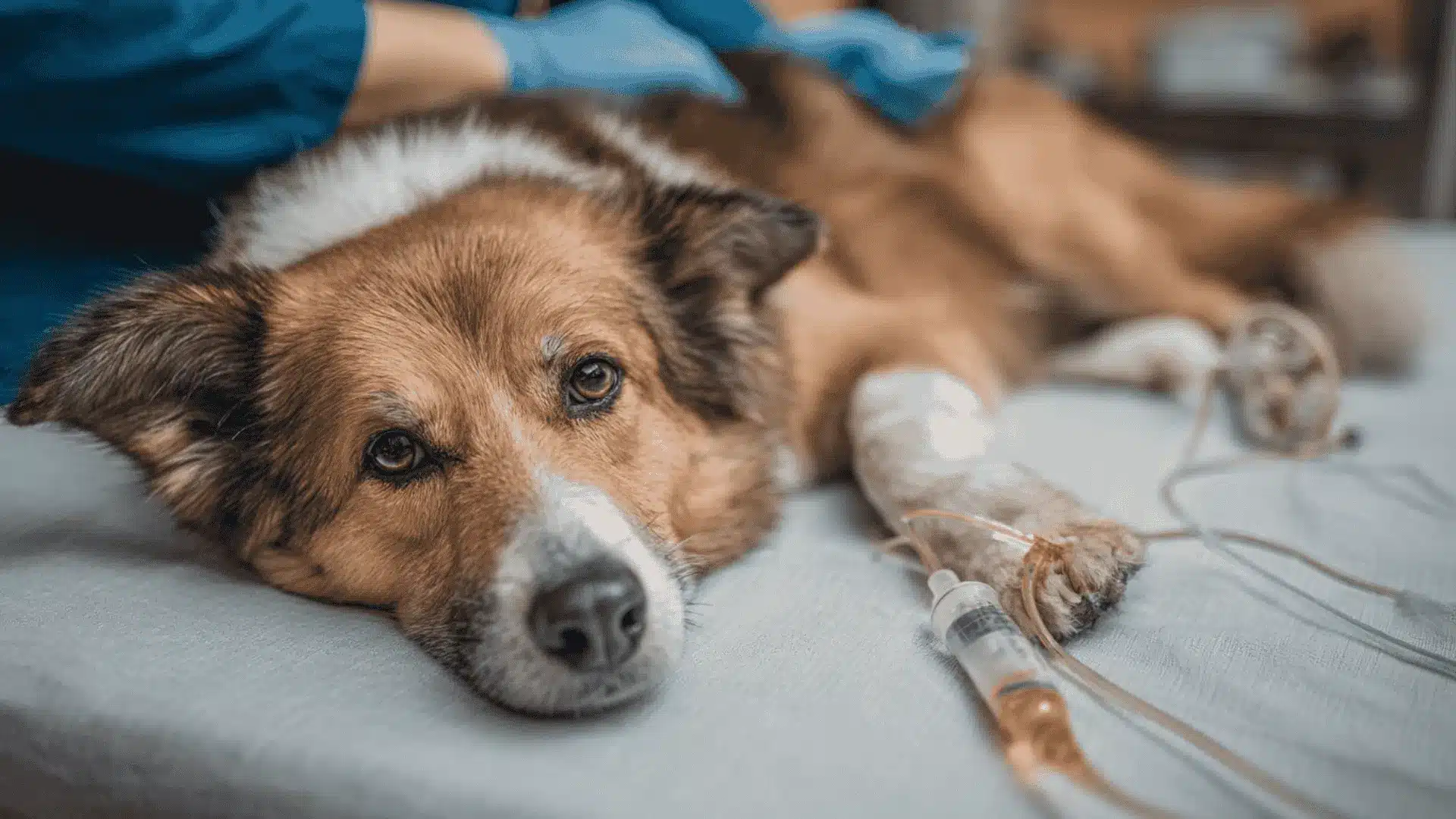
Treatment depends on the severity of the blockage.
Your vet will decide the best approach after a physical exam and imaging tests like X-rays or ultrasounds.
Non-Surgical Treatment Approaches
Sometimes, a partial blockage can be treated without surgery. Your vet may try these first:
- IV fluids: to rehydrate and stabilize your dog
- Induced vomiting: only if the object was swallowed recently
- Laxatives or stool softeners: to help move the blockage along
- Fasting: giving the digestive tract time to rest and recover
- Close monitoring: regular check-ups to track progress
Endoscopic Removal of Foreign Objects
If the object is still in the stomach or upper digestive tract, a vet may use an endoscope to remove it.
This is a thin, flexible tube with a small camera attached.
It goes down through the mouth without any cuts or stitches. It’s a much less invasive option than surgery, and recovery is usually faster.
Surgery for Bowel Obstruction in Dogs
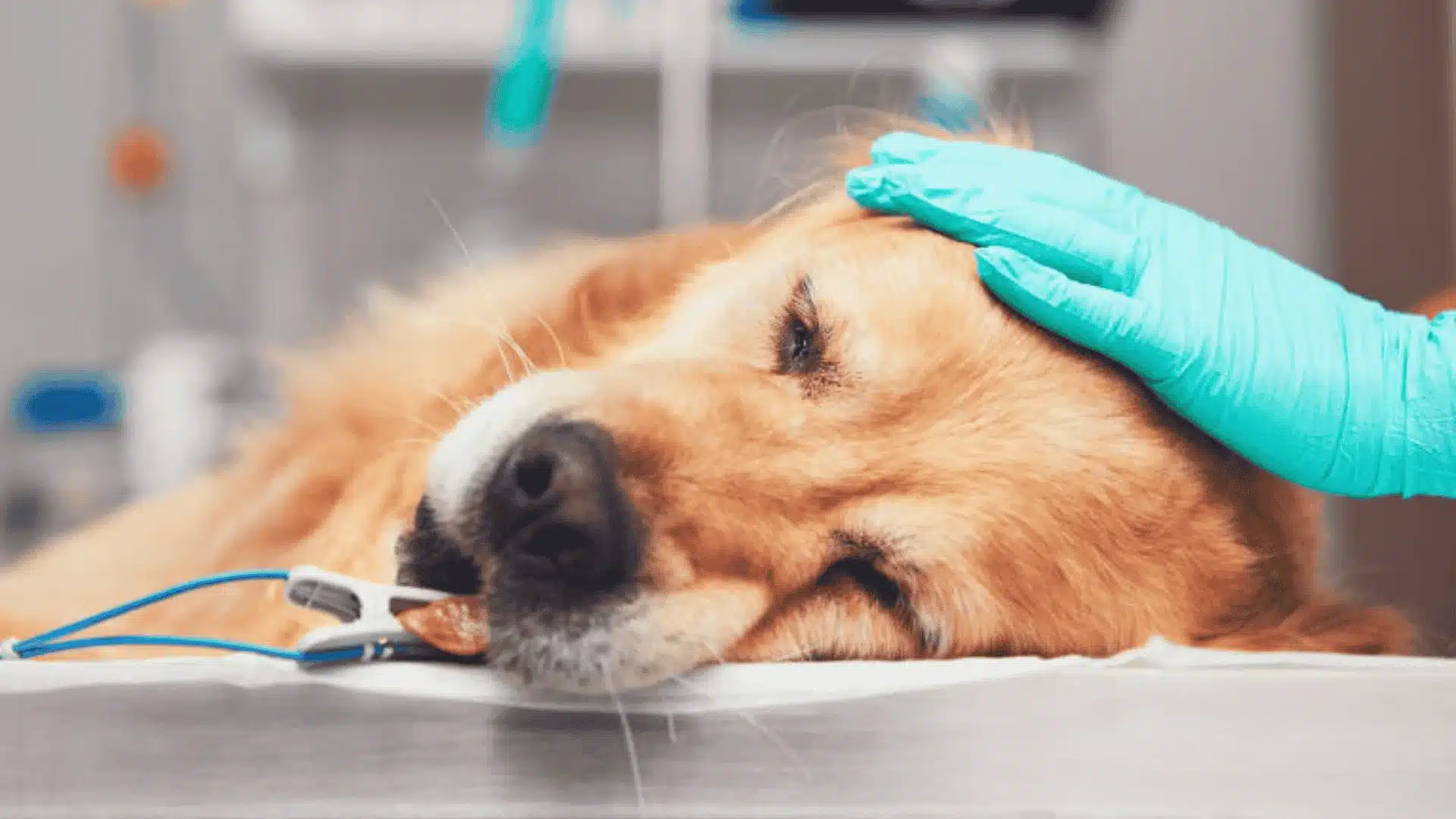
When non-surgical options don’t work, surgery becomes the only way to save your dog’s life.
Surgery is needed when there is a complete blockage or the intestine is damaged. Waiting too puts your dog’s life in serious danger.
Cost of Surgery
Bowel obstruction surgery in dogs typically costs between $2,000 and $10,000+ USD (2025 figures)
The price depends on your location, the severity of the blockage, and your vet’s fees. Emergency procedures cost more.
Pet insurance can help cover a significant portion of these expenses.
What Happens During the Procedure
Here’s a step-by-step breakdown of what the surgery involves:
Step 1: Anesthesia
Your dog is put under general anesthesia.
The vet team monitors heart rate, breathing, and oxygen levels closely throughout the entire procedure.
Step 2: Incision
The surgeon makes a careful cut along the abdomen.
This gives them full access to the intestines and the surrounding area.
Step 3: Locating the blockage
The vet carefully examines the intestines to find the exact site. The nearby tissues are also checked for any signs of damage.
Step 4: Removing the object
The foreign object or damaged tissue is carefully removed.
The vet works precisely to avoid causing further harm to the intestinal walls.
Step 5: Intestinal repair
If any tissue has died, that section of the intestine is removed completely. The healthy ends are then reconnected through a procedure called anastomosis.
Step 6: Closing up
The abdomen is stitched back carefully in layers.
Each layer is closed individually to reduce the risk of infection and support proper healing.
Step 7: Recovery room
Your dog is monitored closely as the anesthesia wears off.
The team watches for any signs of complications before moving them to a regular ward.
Risks and Success Rates
Surgery for bowel obstruction in dogs carries risks like infection, reaction to anesthesia, and internal bleeding.
However, the success rate is>85–95% with prompt surgery.
Dogs treated promptly have a strong chance of making a full recovery.
Recovery Timeline of the Surgery
- Hospital stay typically lasts 3-7 days post-surgery
- Solid food is reintroduced slowly over several days
- Full recovery takes around two to four weeks
- Follow-up vet visits are required to monitor healing
- Activity must be kept minimal during the recovery period
Preventing Bowel Obstruction in Dogs
The best way to deal with bowel obstruction in dogs is to stop it from happening in the first place.
A few simple habits can go a long way.
- Keep small objects, toys, and household items out of your dog’s reach at all times.
- Feed your dog the right-sized meals and avoid giving them bones, corn cobs, or table scraps.
- Check your dog’s toys regularly and throw away anything that looks chewed up or broken.
- Take your dog for routine vet check-ups so any internal issues get caught early.
- Watch your dog closely during playtime, especially if they tend to chew on everything they find.
Protect Your Dog From Intestinal Blockage
Bowel obstruction in dogs is serious. But with the right knowledge, you can act fast and give your dog the best chance of recovery.
Watch for the warning signs. Know what your dog is chewing on. And never wait too long before calling your vet.
Most dogs recover fully when treatment happens on time.
Take a few minutes today to dog-proof your home. Remove small objects, check their toys, and schedule that routine vet visit you’ve been putting off.
Have questions or a story to share? Drop them in the comments below. We’d love to hear from you.
Frequently Asked Questions
1. Will a Dog Eat if They Have an Intestinal Blockage?
Most dogs with a blockage refuse food completely. Some may eat small amounts but vomit shortly after.
2. What Does Dog Poop Look Like if There is a Blockage?
A blocked dog may pass little to no stool. What comes out is often watery, bloody, or mucus-filled.
3. Dog Stomach Blockage Home Remedy?
There is no safe home remedy for a blockage. Take your dog to the vet immediately.