Puppies are full of energy. They run, jump, chew, and bark sometimes all at once.
It’s fun at first, but after a few weeks, it can wear you out completely.
Many new puppy owners wonder if this behavior is normal. It is. But it also doesn’t last forever.
As puppies grow, they go through key stages that shape their behavior.
And as for whether they calm down? That depends on a few things: breed, size, and how they’re raised.
In this blog, you’ll learn what drives your puppy’s high energy, when it starts to ease up, and what you can do to help them along the way.
Why Puppies are so Hyper in the First Place
Puppies are not hyper without reason.
Their brains and bodies are growing fast, and that growth comes with a lot of restless energy.
At this stage, everything around them is new. New smells, sounds, people, and places.
Their curiosity runs high, and they respond to it by moving constantly. Their bodies also produce a lot of cortisol, a stress hormone that spikes during new experiences. This keeps them alert and active for longer than you’d expect.
On top of that, puppies haven’t yet learned how to self-regulate.
They don’t know when to stop. That’s something they pick up gradually as they mature.
When do Puppies Start to Calm Down?
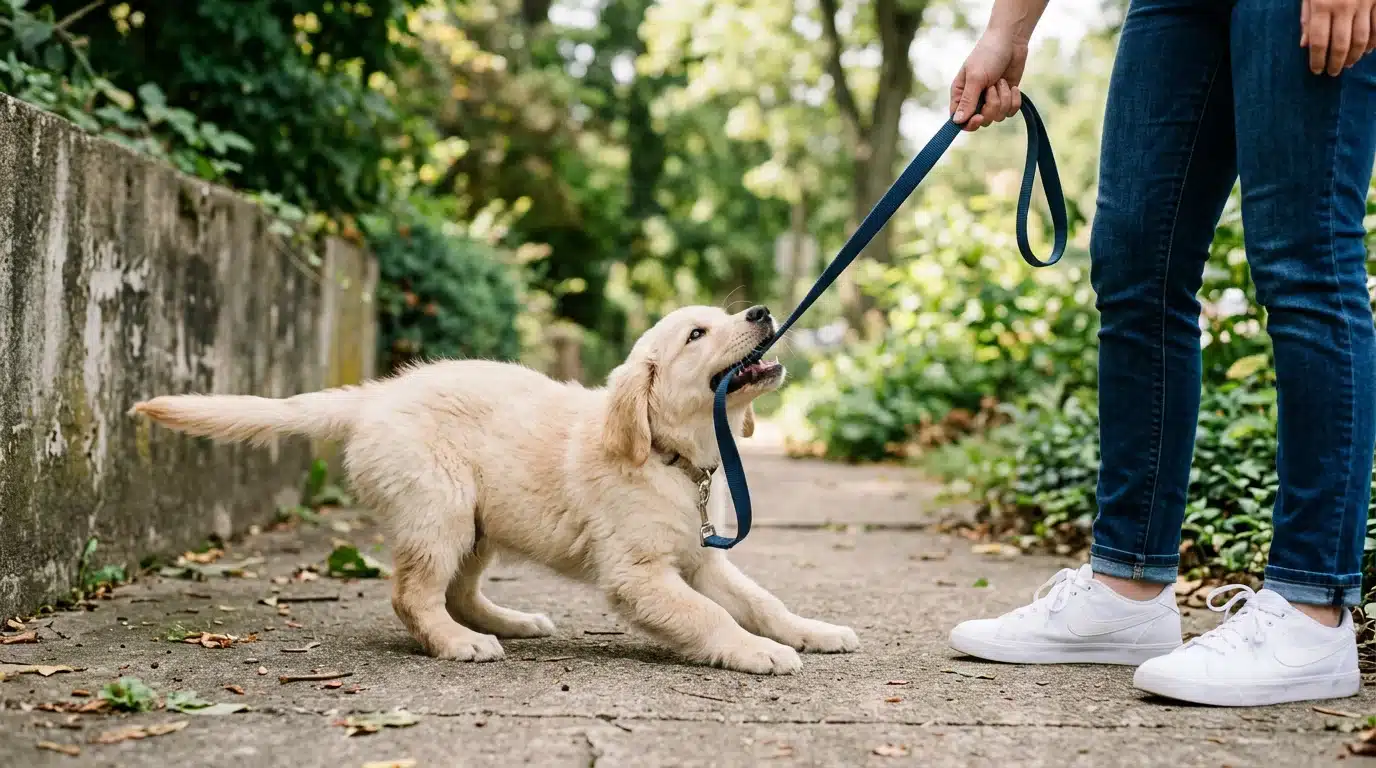
Puppies don’t calm down overnight. It happens gradually, across different growth phases.
Each phase brings its own set of behaviors, and knowing what to expect makes a big difference.
2–4 Months – The Growing Phase
At this age, your puppy is taking in everything around them.
Every corner, smell, and sound feels new. Their curiosity peaks, but self-control drops, and teething causes discomfort, making them chew anything nearby.
This adds to their restlessness and makes them harder to settle.
4–6 Months – The Testing Phase
Your puppy begins responding to training, recognizing commands, but not always following. They’re still energetic, but slightly more predictable.
You’ll notice small windows where they actually sit still. Those moments will grow over time.
6–12 Months – The Teenage Chaos
This phase catches many owners off guard.
Just when you think things are improving, hormonal changes kick in and energy spikes again.
Your puppy may ignore commands they knew, showing selective listening, which is common. It’s not defiance, but hormones and brain rewiring.
12–18 Months – The Turning Point
This is where things shift. Your puppy shows early signs of emotional maturity, being calmer after exercise and responding better to routines.
They still have energy, but it feels more manageable.
Commands land more consistently, and the chaos starts to feel less overwhelming.
18–24 Months – Noticeable Calmness
By this point, most dogs have settled into adult behavior. The wild bursts of energy become less frequent.
They sleep longer, stay calmer indoors, and are generally easier to manage. This doesn’t mean they become lazy. They still need exercise and attention.
But the nonstop hyperactivity of the early months is largely behind you.
When Will my Puppy Calm Down and What Determines it
Every puppy is different, and a few key factors shape how quickly they settle down.
Working breeds like Huskies and Border Collies carry higher energy levels than companion breeds like Shih Tzus or Cavaliers.
Beyond breed, these factors matter too:
1. Diet and sleep patterns
Poor nutrition and broken sleep keep energy levels unpredictable.
2. Daily exercise and mental stimulation
A tired puppy is calmer. Physical activity and brain challenges quickly burn off excess energy.
3. Training consistency and boundaries
Clear rules, repeated daily, help puppies understand what’s expected of them.
4. Owner behavior and environment
Puppies mirror the energy around them. A calm, structured home speeds up the settling process.
Signs Your Puppy is Starting to Calm Down
- Nap cycles get longer and more consistent through the day.
- Biting and jumping happen less often without much prompting.
- They hold focus during training sessions for longer stretches.
- Random bursts of energy become fewer and further apart.
- They stop reacting to every little sound or movement around them.
- They greet visitors without jumping all over them.
- Chewing on furniture and household items slows down noticeably.
- Mealtimes become calmer, with less excitement and less mess.
- They respond to their name more reliably than before.
Why Some Puppies Take Longer to Calm Down
Not every puppy follows the same timeline, and that’s completely normal.
Some breeds are simply wired for high energy and take longer to mellow out.
Puppies that missed early socialization or had inconsistent training often stay restless longer, too. Health issues, anxiety, or an overly stimulating environment can also slow things down.
Even your own energy and daily routine play a part.
If your puppy seems unusually hyper past 18 months, a vet check is worth considering.
How to Help Your Puppy Calm Down Faster
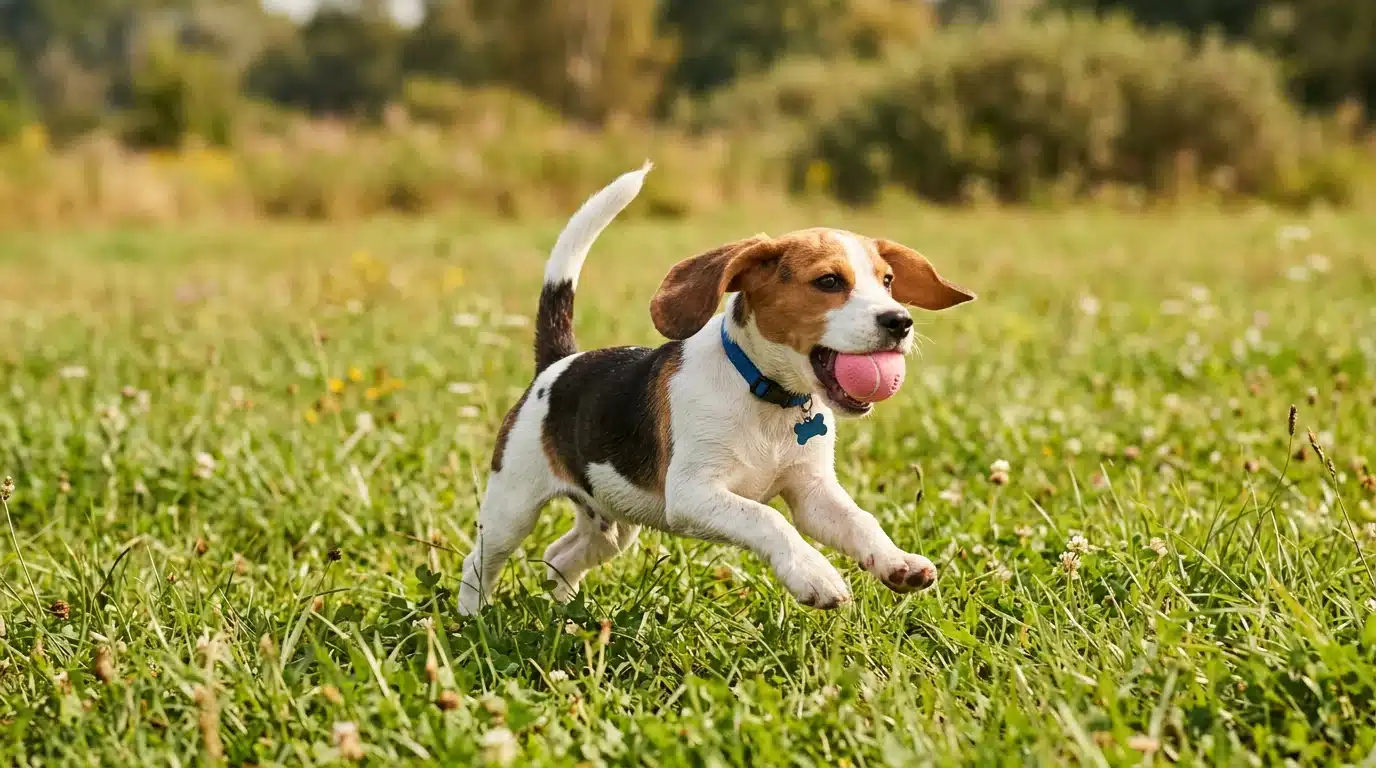
You can’t rush the process, but you can make it smoother. A few consistent habits go a long way in helping your puppy settle down sooner.
Set a Daily Routine
Puppies thrive on structure. Fixed times for meals, walks, play, and sleep help their nervous system regulate faster.
When they know what’s coming next, they feel less need to act out or burn energy unpredictably.
Give Them Enough Physical Exercise
A well-exercised puppy is a calmer one.
Short walks, fetch sessions, and outdoor play effectively burn off physical energy. Match the activity level to your puppy’s age to avoid overdoing it.
Add Mental Stimulation
Physical exercise alone isn’t always enough. Puzzle feeders, sniff games, and short training sessions keep their brains occupied.
A mentally tired puppy settles down much faster than one that’s only physically active.
Stay Consistent With Training
Mixed signals confuse puppies and slow down progress. Stick to the same commands, same rules, and same boundaries every day.
Consistency builds confidence in your puppy and makes them easier to manage over time.
Create a Calm Environment
Loud noises, constant activity, and irregular schedules keep puppies wound up.
A quieter, more predictable space helps them learn to relax.
Give them a dedicated rest area where they feel safe and undisturbed.
Watch Your Own Energy
Puppies pick up on how you behave around them.
Reacting with frustration or high excitement adds fuel to their energy.
Staying calm and composed during training and play teaches them to mirror that behavior.
Breed-Based Calmness Expectations: Quick Comparison
Not all breeds calm down at the same age. Here’s a quick look at what to expect based on breed type.
| Breed Type | Examples | Energy Level | Typical Calm-Down Age |
|---|---|---|---|
| Working Breeds | Husky, Border Collie, German Shepherd | Very High | 2–3 years |
| Sporting Breeds | Labrador, Golden Retriever, Spaniel | High | 2–3 years |
| Terrier Breeds | Jack Russell, Bull Terrier, Scottie | High | 2–3 years |
| Herding Breeds | Australian Shepherd, Collie | High | 2–3 years |
| Toy Breeds | Chihuahua, Pomeranian, Maltese | Moderate–High | 18 months–2 years |
| Companion Breeds | Shih Tzu, Cavalier, Bichon Frise | Low–Moderate | 12–18 months |
| Giant Breeds | Great Dane, Mastiff, Saint Bernard | Moderate | 12–18 months |
Is Your Puppy Too Hyper or Just Normal?
Most puppy hyperactivity is completely normal.
High energy, short attention spans, and occasional chaos are just part of growing up.
There are times when the behavior goes beyond typical.
Signs like aggression, inability to sleep, compulsive chewing, or extreme anxiety that doesn’t ease with exercise and routine may need professional attention.
A certified dog trainer or vet can help you tell the difference. Trust your instincts; you know your puppy best.
Key Takeaway!
Raising a hyper puppy is tough, but it’s also temporary.
Every phase your puppy goes through is a stepping stone toward calmer, more settled behavior. The key is staying consistent. Regular exercise, clear boundaries, and a structured routine make a real difference over time.
Some puppies settle earlier, others take a little longer, and both are perfectly fine.
By 18 to 24 months, most dogs are noticeably easier to live with.
So take a breath.
You’re not doing it wrong. With a little patience and the right approach, calmer days are well on their way.
Frequently Asked Questions (FAQ’s)
1. At What Age are Puppies Most Hyper?
Puppies are most hyper between 6 and 12 months due to hormonal changes.
2. At What Stage are Puppies Most Difficult?
The teenage phase, between 6 and 12 months, is typically the hardest stage.
3. What is a Red Flag Puppy’s Behavior?
Aggression, compulsive chewing, extreme anxiety, and inability to sleep are clear red flags.
4. What is the 10-10-10 Rule for Puppies?
Ten minutes of training, ten minutes of play, and ten minutes of rest daily.