You’ve seen your dog make that strange little jerking sound. It’s startling, right?
It is scary the first time it happens. But hiccups in dogs are actually pretty common.
This blog will explain why dogs get hiccups, what causes them, and when you should call the vet.
What Do Dog Hiccups Sound Like?
If you’ve never heard your dog have hiccups before, you might not even recognize what’s happening.
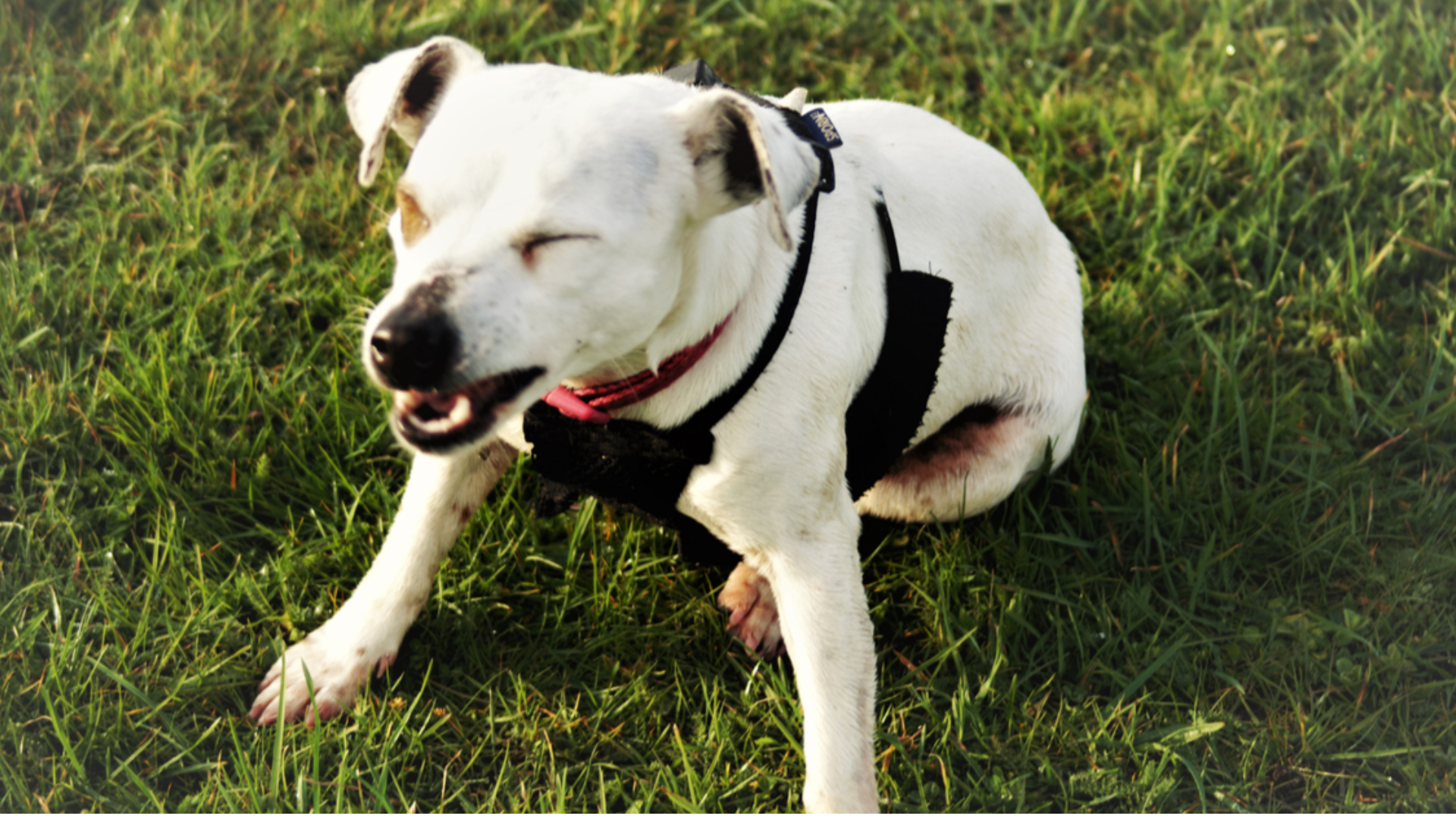
Dog hiccups appear as small, rhythmic jerks in the chest or belly area.
You’ll see their body make quick, involuntary movements that repeat in a steady pattern.
Sometimes you’ll hear a soft “hic” or a gulping sound, while at other times it’s just visible chest movements.
Dogs often don’t seem bothered by hiccups and might just carry on playing.
Now that you know what hiccups look like, let’s dig into why your dog experiences them.
Don’t confuse hiccups with coughing, but hiccups are rhythmic and repetitive, while coughs are irregular.
Why Does my Dog Have Hiccups: Answered
Just like humans, dogs get hiccups when their diaphragm gets irritated.
This muscle sits between the chest and belly, helping your pup breathe. When it spasms involuntarily, you get those “hiccs.”
Common causes include:
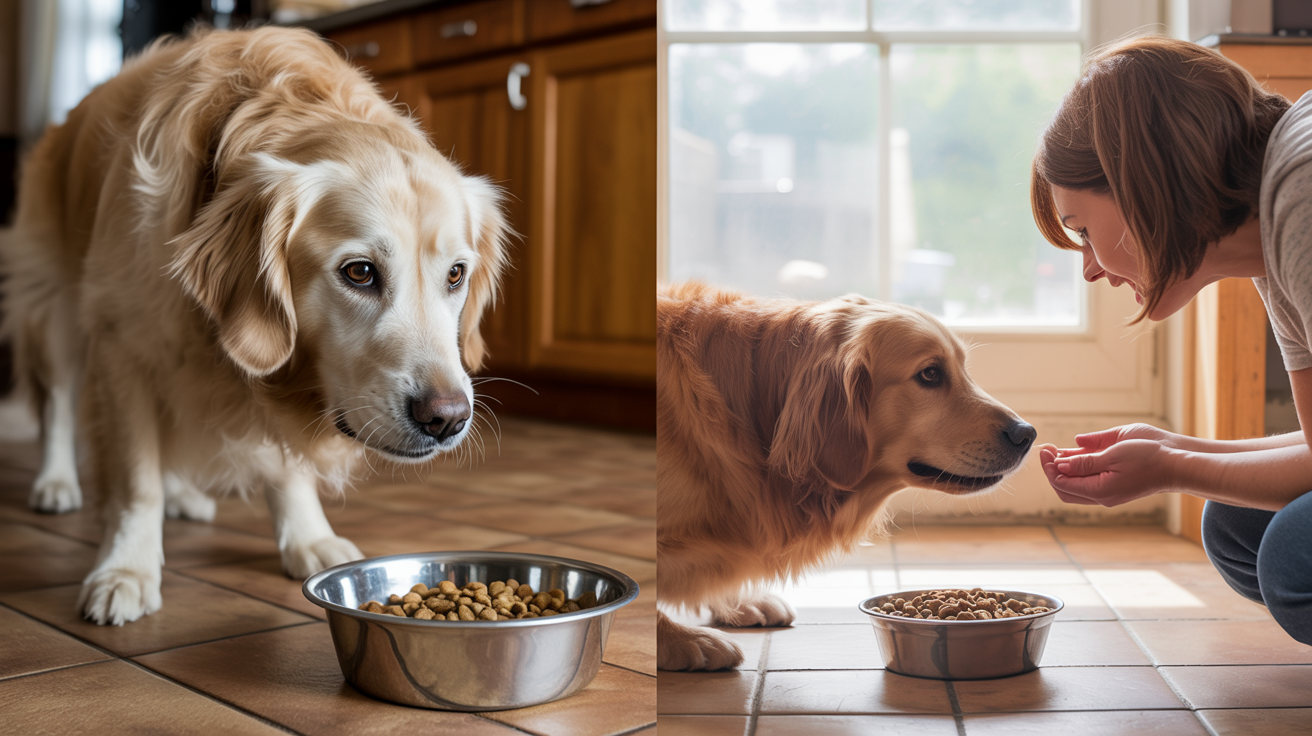
- Eating or drinking too fast is the main reason.
- Gobbling food means swallowing lots of air, which irritates the diaphragm.
- Excitement can also trigger hiccups.
- Playing hard causes rapid breathing, which can lead to spasms.
- Temperature changes matter too, like drinking cold water quickly
Now that you understand what triggers these spasms, let’s discuss whether they are normal.
Are Dog Hiccups Normal?
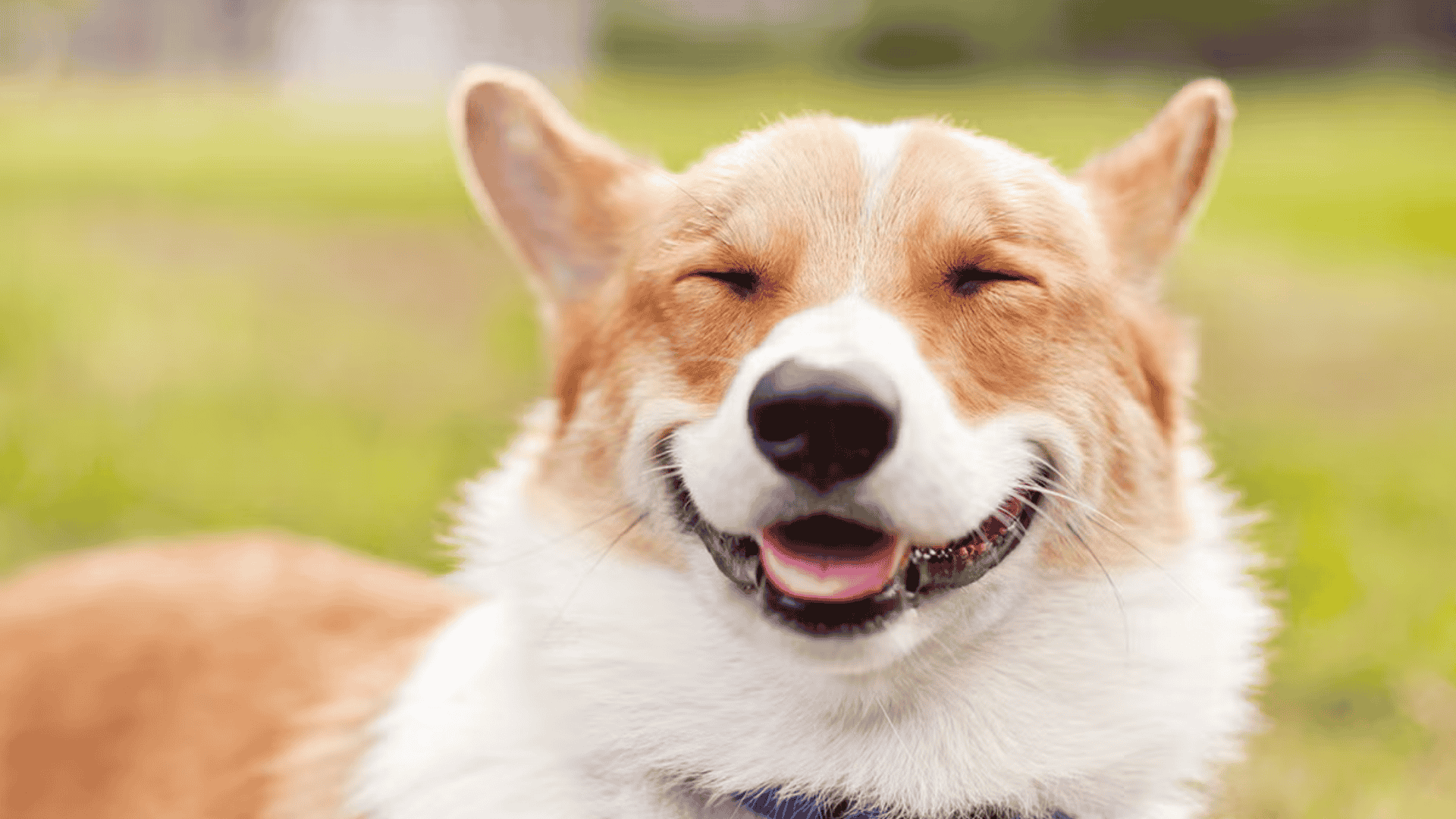
Yes, dog hiccups are completely normal and happen to pups of all ages.
Just like humans get them after eating too quickly or getting excited, dogs experience the same thing.
If your dog has occasional hiccups that go away on their own within an hour, that’s perfectly fine.
Puppies get hiccups more often than adult dogs. Their bodies are still growing, and their diaphragm is more sensitive. It’s just part of being a young pup.
Hiccups are a minor inconvenience rather than a health crisis. Your pup’s body knows how to handle them.
Signs to Take the Hiccups Seriously
The following are some signs that tell when hiccups need a closer look.
1. Hiccups Last More Than an Hour
Most hiccups stop within a few minutes.
But if a dog’s hiccups go on for over an hour, something else might be going on inside their body.
Vet’s Note:If hiccups last more than an hour, book a vet appointment right away. Waiting too long can make things worse.
2. Hiccups Come With Coughing
When hiccups mix with coughing, it’s a red flag.
This combo can point to a breathing issue or throat irritation that needs a proper check-up soon.
3. The Dog Seems Tired or Weak
A dog that looks tired, sluggish, or weak during hiccups needs attention.
This combination often signals that something deeper is affecting their overall health and energy.
Vet’s Note:Weakness paired with hiccups can mean low blood sugar or other internal issues. A vet check is strongly advised here.
4. Hiccups Happen After Every Meal
If a dog gets hiccups after every single meal, it may be eating too fast.
But repeated episodes can also hint at digestive or stomach-related concerns worth checking.
5. The Dog Loses Interest in Food
A dog skipping meals while having hiccups is unusual.
Loss of appetite combined with hiccups can sometimes indicate discomfort, nausea, or an underlying health issue that needs attention.
When to Consult a Vet?
Most dog hiccups go away on their own. But sometimes, they stick around longer than expected.
If your dog’s hiccups last more than an hour, it’s time to call the vet. The same goes if hiccups come with coughing, weakness, or loss of appetite.
Every dog is different, and owners know their pets best. Trusting that gut feeling and getting a check-up is always the right call.
Note:Early vet visits can catch small problems before they turn into bigger ones. Always better to be safe than sorry.
Symptoms That Look Like Hiccups but Aren’t
Sometimes what appears to be hiccups might actually be something else entirely. It’s important to know the difference so you can respond appropriately.
Your dog makes rapid, loud snorts as it inhales.
It looks alarming, but it is usually harmless and passes quickly. No need to worry unless it happens constantly.
2. Coughing
Coughing in dogs is irregular and forceful, while hiccups follow a steady rhythm. Occasional coughs are fine, but persistent coughing needs a vet visit.
3. Kennel Cough
A harsh, dry cough that sounds like your dog has something stuck in their throat, often followed by gagging.
Highly contagious and requires treatment.
A honking sound, especially during excitement or exercise.
The windpipe temporarily narrows, causing a distinctive goose-like honk. Common in small breeds and needs veterinary evaluation.
5. Respiratory Distress
Labored breathing, wheezing, or gasping needs immediate attention. Your dog will seem uncomfortable or distressed.
This requires urgent care.
6. Choking
Pawing at the mouth, excessive drooling, and panicked behavior, along with jerking movements.
This is an emergency requiring immediate help.
Gagging or retching can also mimic hiccups. If your pup looks like they’re trying to vomit repeatedly, contact your vet.
Knowing these distinctions helps you figure out whether your dog just has harmless hiccups or needs veterinary care.
Why Puppies Get Hiccups More Often?
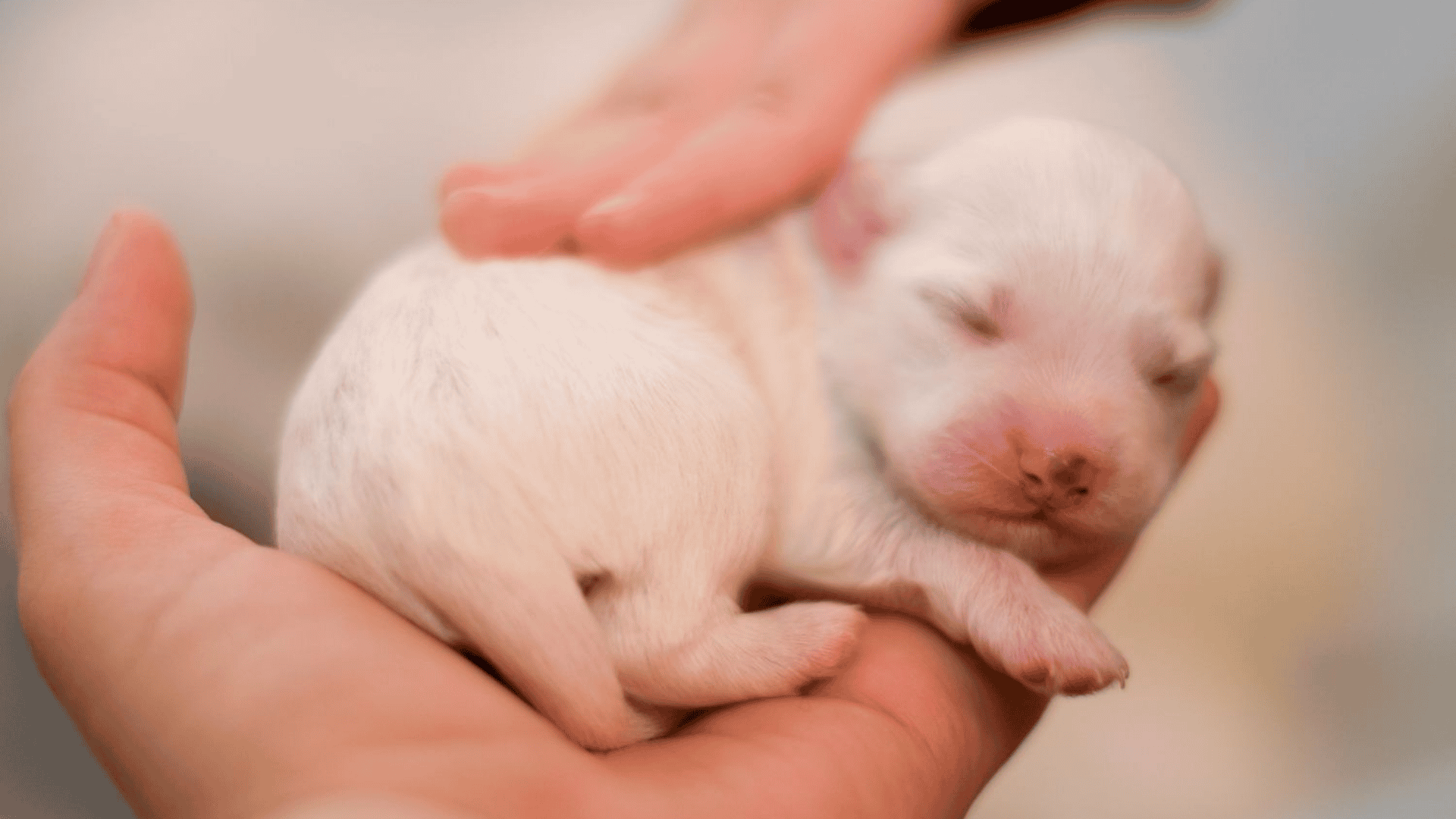
Puppies are basically hiccup magnets, and there’s a good reason for that.
A puppy’s diaphragm hasn’t fully matured yet. Think of it like a muscle that’s still learning the ropes, so it’s more sensitive to irritation and spasms.
Young pups also have way more energy than their older counterparts.
They zoom around constantly without knowing when to take a break, which puts extra strain on their developing respiratory system.
Why puppies struggle more:
- Lack of self-control at mealtimes
- Can’t regulate excitement levels properly
- Erratic breathing patterns during play
Most puppies outgrow frequent hiccups as they mature.
How to Help when Your Dog Has Hiccups
Most hiccup episodes resolve on their own without any intervention. But if you want to help your dog feel better faster, there are some gentle ways you can try.
If excitement triggered the hiccups, help your dog relax.
Gentle petting and a quiet environment work wonders. Sometimes just sitting calmly with them does the trick.
Offer a small drink of water. This can help reset the diaphragm and calm spasms. Just make sure your pup drinks slowly this time.
You can also try these methods:
- Encourage slow, steady breathing by keeping them still
- Give them a small treat to change their swallowing pattern
- Gently massage their chest to relax the diaphragm
Never startle your dog, or use the “scare them” method people use on humans. That’s stressful and unnecessary for your pups or dogs.
How Long Do Dog Hiccups Usually Last?
Most cases of dog hiccups last anywhere from a few minutes to about an hour. That’s completely normal and nothing to stress about.
Puppies might experience episodes multiple times throughout the day, with each bout lasting around ten to fifteen minutes.
Adult dogs typically have shorter episodes of five to ten minutes, and they happen less frequently overall.
The timing can vary based on what triggered them. A quick meal might cause brief hiccups, while an extended play session could lead to longer episodes.
Understanding typical duration helps you recognize when something seems off.
Preventive Tips to Reduce Future Hiccups
Prevention is always easier than treatment. A few simple changes to your dog’s routine can significantly reduce the frequency of hiccup episodes.
- Use puzzle feeders or slow-feed bowls to slow down eating
- Split meals into smaller portions throughout the day
- Raise food and water bowls to reduce air intake
- Create a calm feeding environment away from other pets
- Avoid cold water right after exercise or playtime
- Offer room-temperature water and food instead
- Provide regular exercise to manage excitement levels
- Keep your dog calm during mealtimes
These simple adjustments make a real difference in reducing how often your dog has hiccups and keeping them comfortable overall.
The Bottom Line
Understanding why your dog has hiccups takes the worry out of those spasms. Most cases stem from eating too fast, excitement, or temperature changes.
Puppies experience them more frequently because their bodies are still developing, but they’ll grow out of them.
Keep an eye on the duration and any unusual symptoms that may accompany it.
When in doubt about persistent hiccups, your vet is always the best resource for peace of mind.
Frequently Asked Questions (FAQs)
1. What Dog Breeds Are Prone to Hiccups?
Flat-faced breeds like Bulldogs, Pugs, and Boxers are more likely to get hiccups due to their shorter airways and breathing patterns.
2. What Foods Trigger Dog Hiccups?
Dry kibble, spicy foods, and eating too fast are common triggers. These irritate the diaphragm and cause sudden hiccup episodes.
3. Do Heartworms Cause Hiccups?
Yes, heartworms can irritate the chest and diaphragm. This sometimes leads to repeated hiccups, coughing, and breathing difficulties in dogs.