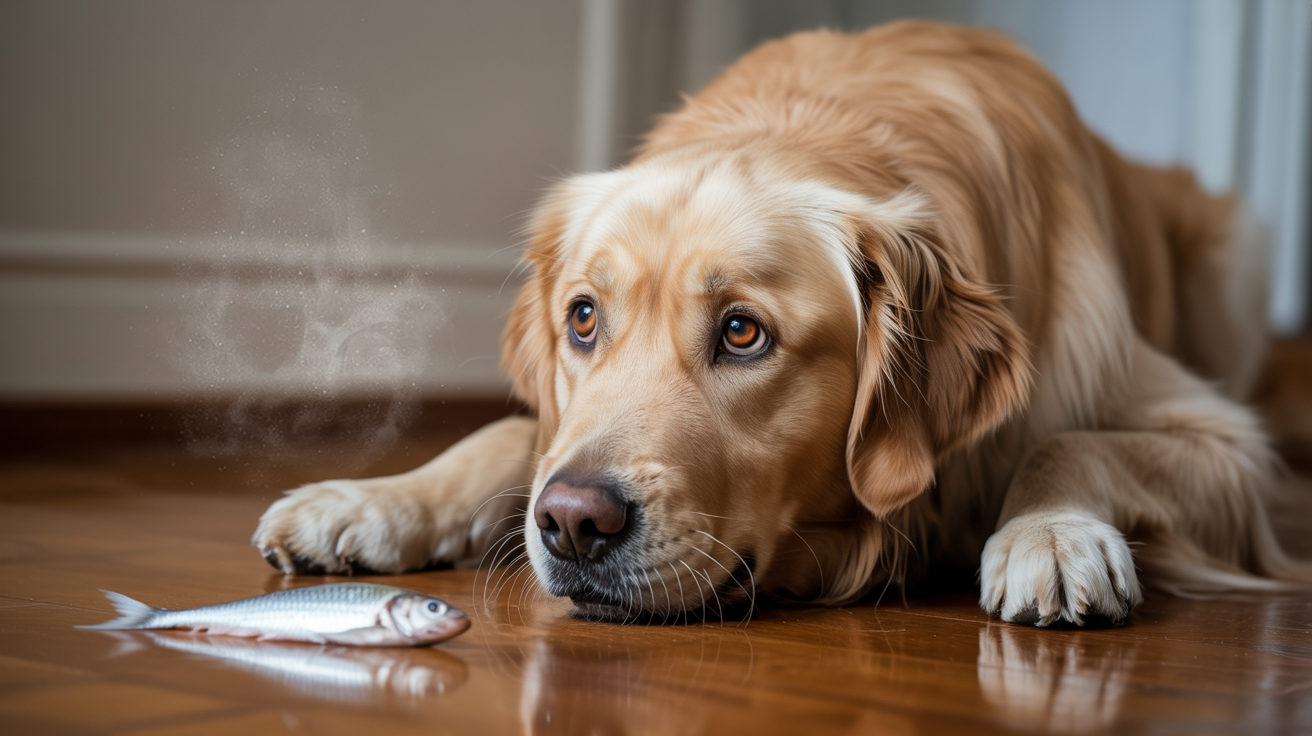
Something looks off with your dog’s mouth. The gums are pale, almost white.
Pale gums can point to serious health problems, from anemia to internal bleeding.
When you notice these warning signs, every second feels critical, and you need answers fast.
This blog covers the common causes of pale gums in dogs, what the different colors mean, and when to rush to the vet.
What do Healthy Dog Gums Look Like?
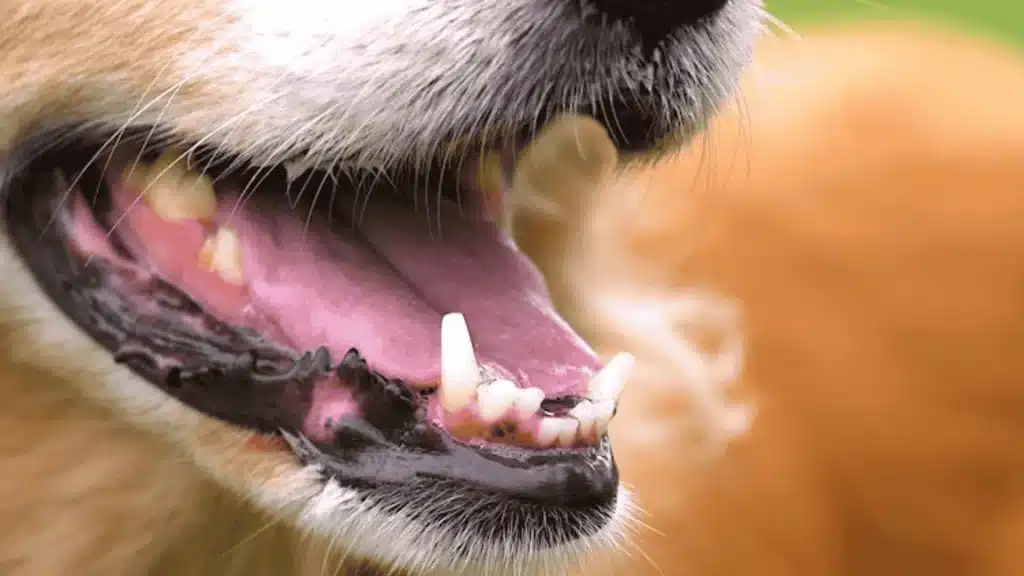
Healthy dog gums should be pink or salmon-colored, moist, and smooth, not dry or sticky.
If your dog has dark or black gums, look for pink patches to monitor, or check the inside of the lower eyelid instead.
Get familiar with your dog’s normal gum color when healthy. That baseline helps you spot changes immediately.
Quick test: Press your finger on the gum until it turns white, then release. Color should return within 1 to 2 seconds, indicating proper blood flow.
Causes of Pale Gums in Dogs
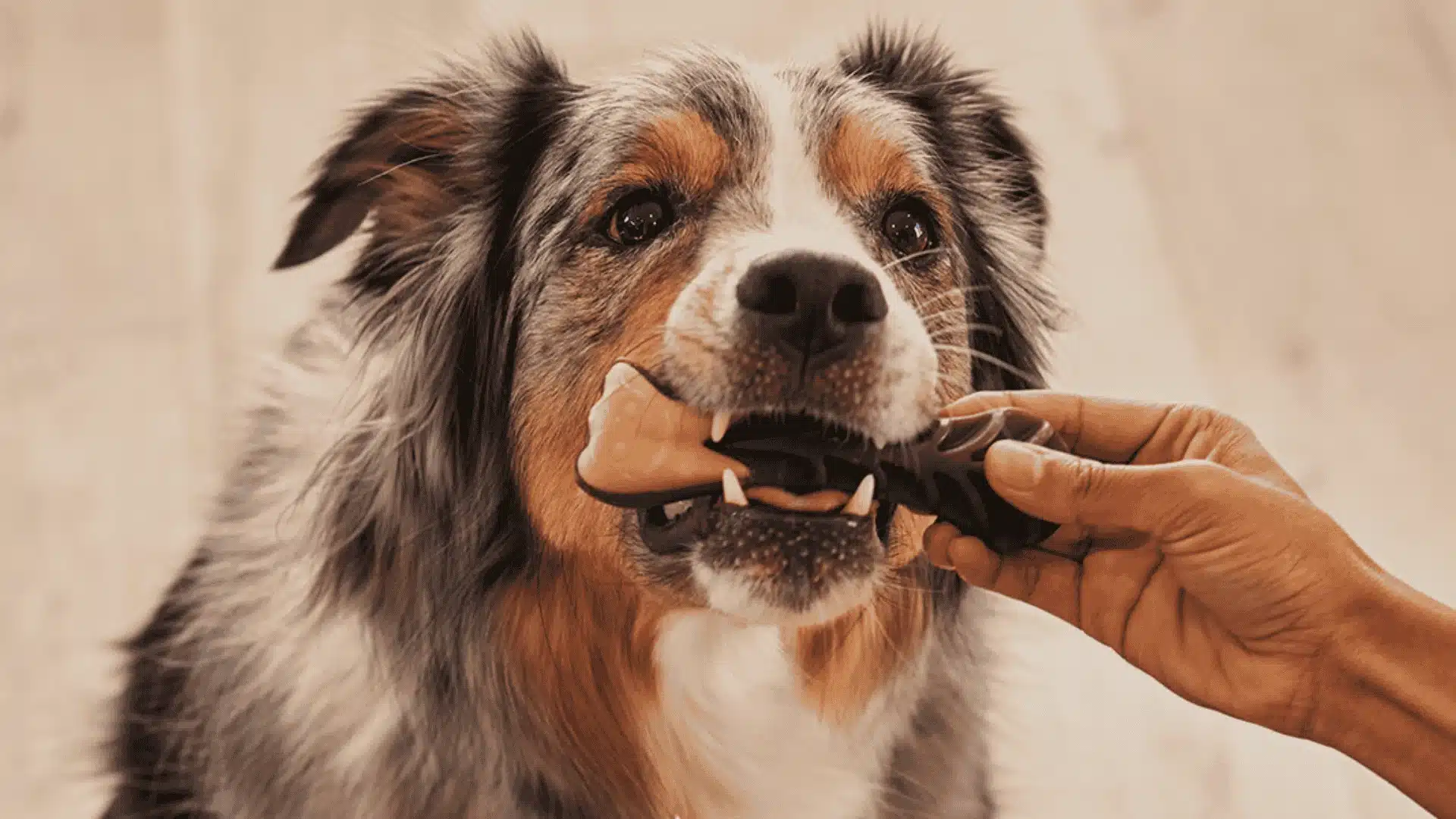
Pale gums mean your dog isn’t getting enough oxygenated blood to those tissues.
1. Anemia (Low Red Blood Cell Count)
Anemia occurs when your dog doesn’t have enough red blood cells to carry oxygen throughout the body.
This isn’t a disease itself, but a sign that something else is wrong, like blood loss from an injury, a reaction to a toxin, or even a bad flea infestation.
2. Shock or Trauma
If a dog gets badly hurt or faces a major scare, their body goes into survival mode.
To keep the heart and brain running, the body pulls blood away from the non-essential parts like the gums.
This makes the mouth look very pale or even greyish-white very quickly.
3. Internal Bleeding
This is a hidden emergency that often causes pale gums. It could be from a ruptured tumor or an organ injury.
Since you can’t see the blood leaving the body, the fading color of their gums is one of the only big warnings that your dog needs a vet immediately.
4. Heart Disease
When a dog’s heart isn’t pumping effectively, the blood doesn’t reach the small vessels in the gums as it should.
If the pump is weak, the gums lose that healthy pink glow.
You might also notice your dog getting tired much faster than usual or coughing.
Note: If your dog’s gums look white or blue, or if they seem very weak, head to an emergency vet right away.
Steps to Take When You Notice Pale Gums in Dogs
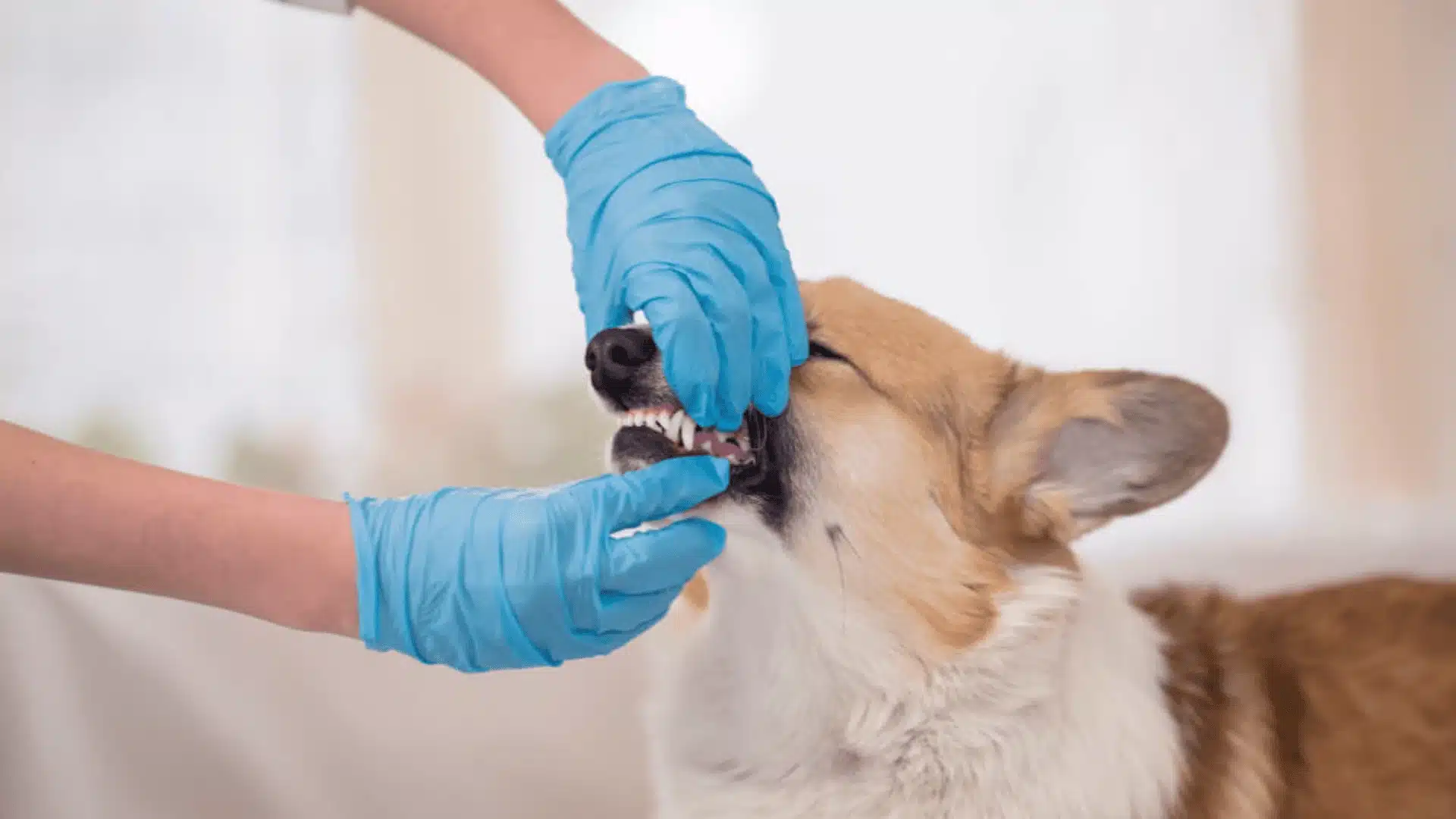
Pale gums can signal a life-threatening emergency, but not always, but often enough that you need to act fast and smart.
Here’s a quick way to assess your dog’s condition before deciding on your next move.
Step 1: Stay Calm and Assess Your Dog
Take a breath.
Look at your dog’s overall state. Are they standing and responsive or collapsing and weak?
Step 2: Perform the Capillary Refill Test
Press your finger on your dog’s gum until it turns white. Release and count.
One to two seconds is normal. Three seconds or longer means trouble.
Step 3: Check for Emergency Symptoms
Look for these red flags with pale gums:
- Collapse or extreme weakness
- Labored breathing or gasping
- Swollen belly
- Vomiting frequently
- Disorientation or unresponsiveness
Step 4: Emergency Scenarios – go to the ER Vet NOW
Get to emergency care immediately if your dog has:
- White or gray gums
- Blue-tinged gums
- Collapse or can’t stand
- Severe breathing trouble
- Known trauma or suspected poisoning
- Distended, hard belly
Step 5: Non-Emergency Scenarios – Call Your Vet Today
If your dog has pale pink gums but is walking, eating, alert, and breathing normally, call your regular vet right away. They’ll likely want a same-day appointment.
To understand what’s abnormal, it helps to know what healthy gums look like.
The Complete Gum Color Decoder
This is a quick-reference companion to help you know what your dog’s gum color reveals about their health.
Recognizing these changes early can be the difference between a routine vet visit and a life-saving emergency.
| Gum Color | What It Signals | Action Required |
|---|---|---|
| Pink to Light Pink | Normal and healthy | Routine monitoring |
| Pale Pink | Early warning sign | Monitor closely; consult a vet if it persists |
| White/Gray | Shock or severe anemia | Emergency: seek immediate care |
| Blue/Purple | Oxygen deprivation | Critical emergency, call vet NOW |
| Yellow | Liver issues or jaundice | Vet visit within 24 hours |
| Cherry Red | Toxin ingestion or heatstroke | Emergency, act immediately |
| Bright Red + Inflammation | Dental disease or infection | Schedule a dental evaluation promptly |
Veterinarians recommend checking your dog’s gum color monthly. Healthy gums should always feel moist and return to pink within 2 seconds of pressure.
Why White Gums in Dogs are a Sign of Emergency?
A dog’s gums are a built-in health monitor.
When they turn white, it’s basically their body’s way of pulling the fire alarm. It means the vital organs, like the brain and heart, aren’t getting the oxygen-rich blood they need to keep functioning.
This usually happens because of a massive internal crisis, like a sudden bleed or a heart failure.
Since dogs can’t tell us where it hurts, this color change is a huge SOS signal.
If you see white, don’t wait for other signs; it might be a life-or-death race to get them to a vet.
Difference Between Healthy and Unhealthy Gums
| Feature | Healthy Gums | Unhealthy Gums |
|---|---|---|
| Color | Powder pink (gum or salmon color) | Pale pink, white, gray, blue, yellow, or bright red |
| Texture | Moist and smooth | Dry, sticky, tacky, or slimy |
| Smell | No strong odor | Foul or unusual smell |
| Appearance | Even consistent color | Patchy, discolored, or inflamed areas |
| Bleeding | No bleeding | Bleeds easily when touched |
| Swelling | Flat, normal | Swollen or puffy around the teeth |
| Overall Feel | Firm but not hard | Soft, mushy, or overly firm |
| Capillary Refill Time | Returns to pink in 1-2 seconds after pressing | Takes longer than 2 seconds or doesn’t return to normal color |
Pro tip: Check your dog’s gums monthly when they’re healthy and relaxed. That way, you’ll immediately notice when something’s off.
Treatment for Pale Gums in Dogs
Since pale gums are usually a symptom of a bigger problem rather than the problem itself, there isn’t a single fix forthem.
The treatment really depends on what the vet finds under the hood.
Common Ways Vets Fix Pale Gums
If your dog has lost a lot of blood or is severely anemic, they may need a transfusion from a donor dog to quickly restore their oxygen levels.
For dogs in shock or suffering from dehydration, vets use a drip to stabilize their blood pressure and help the blood circulate better.
Sometimes, a pup just needs a little help breathing.
Vets can place them in an oxygen-rich tank to ensure every red blood cell they have is working overtime.
Surgery
If the paleness is coming from a bleeding tumor or a ruptured organ, a surgeon will need to go in and stop the leak.
Medications
Depending on the cause, your dog might need steroids for immune issues, antibiotics for infections, or heart medications to help the heart pump more efficiently.
Quick Tip: Never try to treat pale gums at home with human vitamins or iron supplements, as these can actually be toxic to dogs if the dose is wrong.
Should You Be Concerned About Mottled Gums in Dogs?
Mottled gums in dogs can look a little odd, with patches of pink, black, or brown all mixed together.
But it’s not always a bad sign.
Some dogs are simply born with pigmented gums. Breeds like Chow Chows and Shar-Peis naturally have dark or spotted gums.
So if your dog has always had mottled gums, there’s likely nothing to worry about.
If the mottling shows up suddenly, then that’s worth a vet visit to be.
Pale Gums in Dogs: Prevention & Long-Term Care
You can’t prevent every health issue, but you can stack the odds in your dog’s favor.
1. Schedule regular vet checkups: At least once a year for healthy adults, more for seniors. Early detection prevents pale gums.
2. Keep up with parasite prevention: Year-round protection against fleas, ticks, and worms that steal blood and cause anemia.
3. Feed a high-quality, balanced diet: Supports red blood cell production. Always provide fresh water.
4. Create a safe home environment: Keep toxins, medications, rat poison, toxic plants, and sharp objects out of reach.
5. Check your dog’s gums monthly: To know what’s normal and spot changes immediately.
6. Watch for subtle behavior changes: Lethargy, appetite loss, or increased panting signal problems before gums turn pale. Trust your gut.
7. Manage exercise and temperature exposure:Avoid overexertion in heat; extreme temperatures affect circulation.
Save your vet’s number and nearest 24-hour clinic. Don’t waste time searching in a crisis.
Conclusion
Pale gums and white gums in dogs aren’t something to ignore.
They’re your dog’s warning system, telling you something’s wrong. Now you know what to look for, when to rush to the ER, and what causes pale gums.
Most importantly, you know how to check those gums regularly and catch problems early.
Trust your instincts. If something feels off, get it checked. Your quick action could save your dog’s life.
Frequently Asked Questions (FAQ’s)
1. What Color are a Sick Dog’s Gums?
Sick gums can look pale, bright red, yellow, or even a scary blue-purple.
2. What Color are Dogs Gums with Heart Failure?
A dog with heart failure usually has gums that look pale pink or greyish.
3. What Color are Dogs’ Gums When They Have Parvo?
Parvo often makes the gums look very dark red or extremely pale due to severe dehydration.
4. What are the First Signs of Pneumonia in Dogs?
You will likely notice a deep cough, heavy breathing, and a very runny nose.