Training your dog at home is simple, but it is difficult to know where to start.
In this blog, you’ll know why dog training at home is the smartest first step you can take.
Thousands of dog owners have already built better habits with their pets by starting at home. No fancy classes needed.
Ready to see how it works? Let’s get into it.
Why Home Dog Training is Better?
You might think that a professional class is the best place to start, but that’s not always true. A dog’s home is where it feels safest and where it learns more quickly.
Stress gets in the way of learning, and unfamiliar places bring plenty of it.
At home, distractions are low, and the space is familiar to both the owner and the dog. Small, repeated daily sessions build habits that stick.
Over time, training dogs at home connects lessons to real-world situations far more effectively than classroom training ever could.
Key Benefits of Dog Training at Home
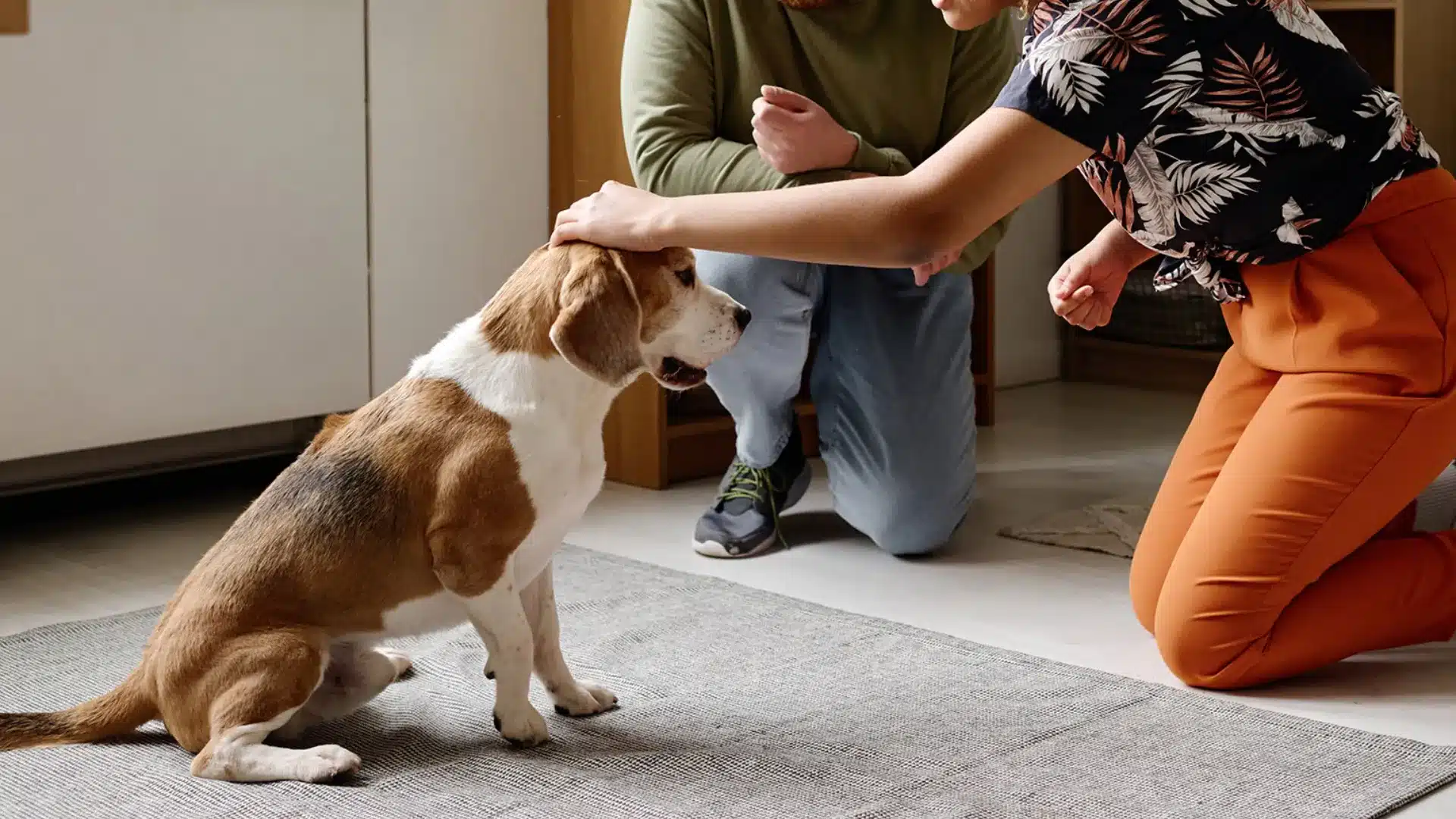
The following is what you actually gain when you train your dog there.
Stronger Bond Between You and Your Dog
Daily training builds real trust between a dog and its owner.
The dog begins to look to its owner for guidance, and their relationship grows stronger with every session.
Flexible Training Schedule That Fits Your Life
No strict class times, no long drives. Owners can train early morning or after work.
A few focused minutes each day is all it takes to stay consistent.
Cost-Effective Without Sacrificing Results
Professional trainers can be expensive. At-home dog training costs significantly less.
With the right approach and a little patience, owners can see real results without paying for classes.
Customized Learning Based on Your Dog’s Personality
Every dog is different. At home, owners can adjust the pace, tone, and rewards until they find what works.
Better Behavior in Real Home Situations
Dogs improve where it matters most, right at home.
Less jumping, less begging, better manners at the door. Training fixes the exact behaviors owners deal with every day.
How do Dogs Actually Learn?
Before you start training, it helps to understand how your dog thinks.
Positive Reinforcement is simply rewarding the behavior you want, and your dog will repeat it. Treats, praise, or play all work well.
Timing matters more than duration. A short, well-timed correction or reward beats a long session every time.
Your dog connects the reward to the action only if it comes within seconds.
Body language speaks louder than words. Dogs pay close attention to your posture, eye contact, and tone of voice.
Stay calm and confident; your dog picks up on your emotions.
What to Teach First in Dog Training at Home?
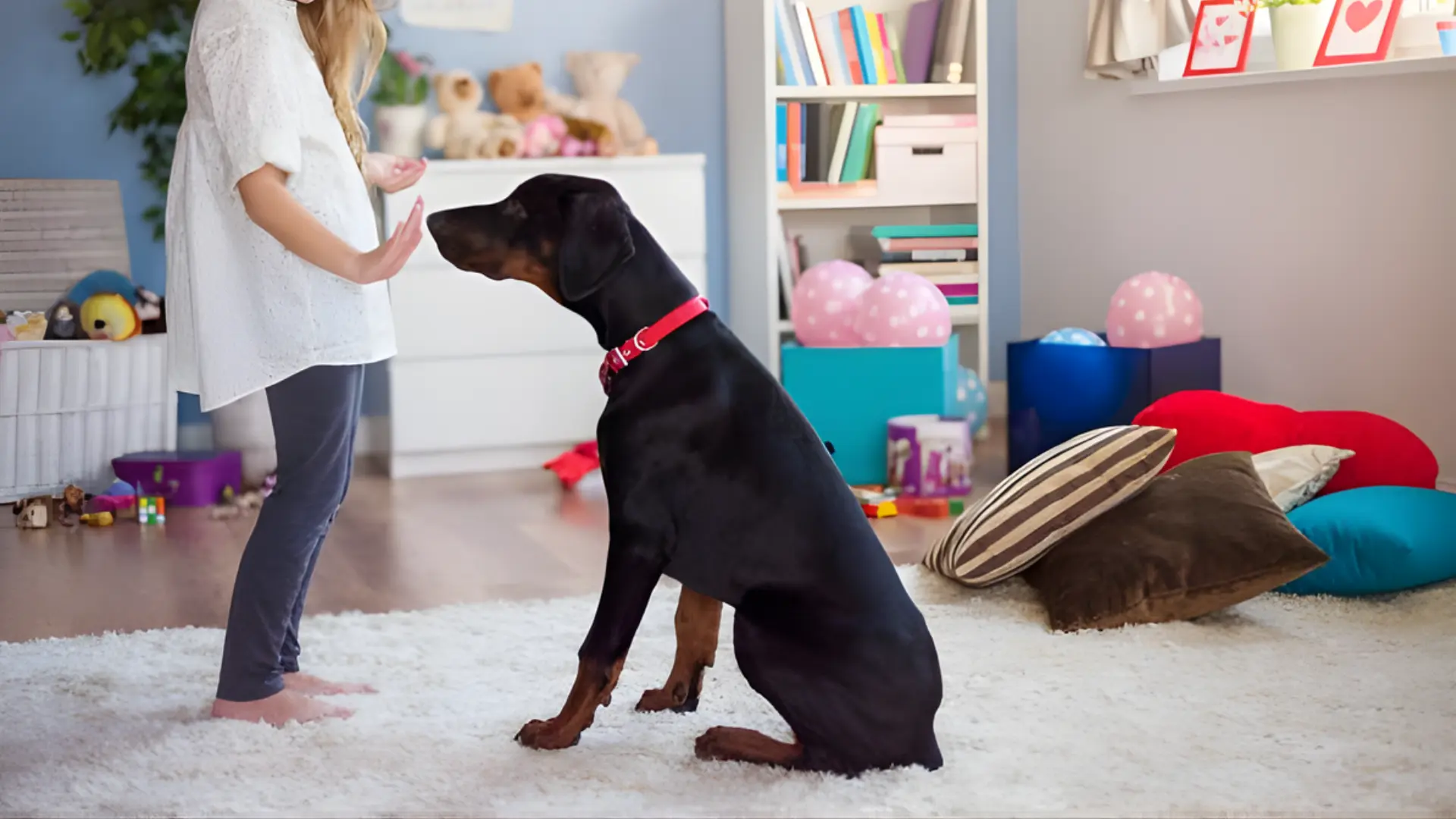
Start simple. These are the commands that make the biggest difference early on.
1. Teach Your Dog to Come Reliably
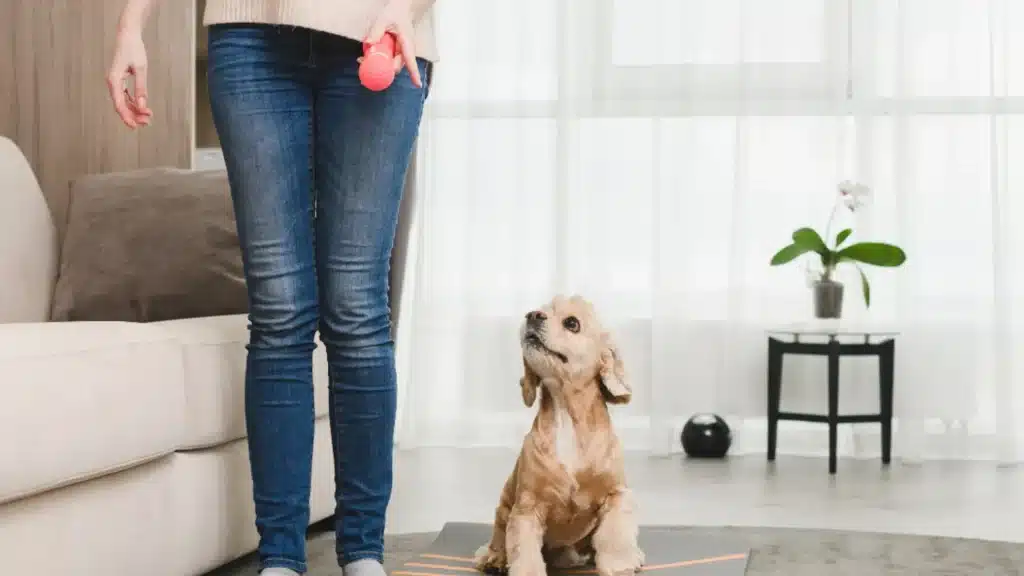
Recall keeps your dog safe, especially outdoors. Say your dog’s name, followed by “come” in a calm tone.
Reward them immediately when they reach you. Practice in short daily bursts and slowly increase the distance.
It’s one of the most critical skills to build early, and it forms the base for everything that follows.
2. Teach Your Dog to Stay Calm and Still
“Stay” builds patience gradually. Start with just a few seconds, then slowly increase the time. Don’t rush it.
Short, repeated sessions work far better than long, forced ones.
Once your dog holds a stay reliably, you’ll notice calmer behavior across the board, not just during training.
3. Teach Your Puppy to Lie Down on Command
“Down” helps keep your dog calm in complicated situations, such as during meals, guest visits, or vet visits.
Guide your dog gently into the position and reward every time they get it right.
It’s a straightforward command, but it gives you real control when you need it most.
4. Teach Your Dog to Sit on Cue
“Sit” is the foundation of all training. Most dogs pick it up quickly, which makes it the perfect starting point.
Once your dog masters this one command, teaching everything else becomes a lot more straightforward and less frustrating for both of you.
5. Teach Your Dog to Leave it Safely
This command could prevent a real emergency. Food on the floor, something dangerous outside.
“Leave it” teaches your dog to stop and look to you instead.
Practice it regularly at home so your dog responds fast when it actually counts.
Behavior Skills That Make Daily Life Easier
Commands are just one part of at-home dog training. These everyday habits matter just as much:
- Potty habits: Set a fixed schedule for outdoor breaks. Reward your dog every time they go in the right spot. Consistency here makes the biggest difference in the shortest time.
- No jumping: Ignore the behavior completely. Reward all four paws on the floor every single time it happens.
- Leash manners: Practice loose-leash walking at home first before heading outside. Keep sessions short and calm for the best results.
To Wrap Up
Dog training at home doesn’t have to be complicated.
A few minutes each day, in your own space, with your own dog, that’s really all it takes. Start small. Stay consistent, and the results will follow.
Over time, those small daily moments add up to a calmer, better-behaved, and easier-to-live-with dog. And that’s a win for both of you.
Frequently Asked Questions (FAQs)
1. What Annoys Dogs the Most?
Loud noises, tight hugs, direct eye contact, and irregular routines are some of the most common things that annoy dogs.
2. At What Age is it Too Late to Train a Dog?
There’s no age limit; older dogs can absolutely learn new behaviors with the right patience and consistency.
3. What is a Red Flag Puppy Behavior?
Excessive aggression, constant biting, fearfulness, or refusing to respond to any interaction can be early warning signs worth addressing quickly.
4. What’s the Most Jealous Dog?
French Bulldogs, Labrador Retrievers, and Golden Retrievers are known to exhibit the most jealousy toward their owners.