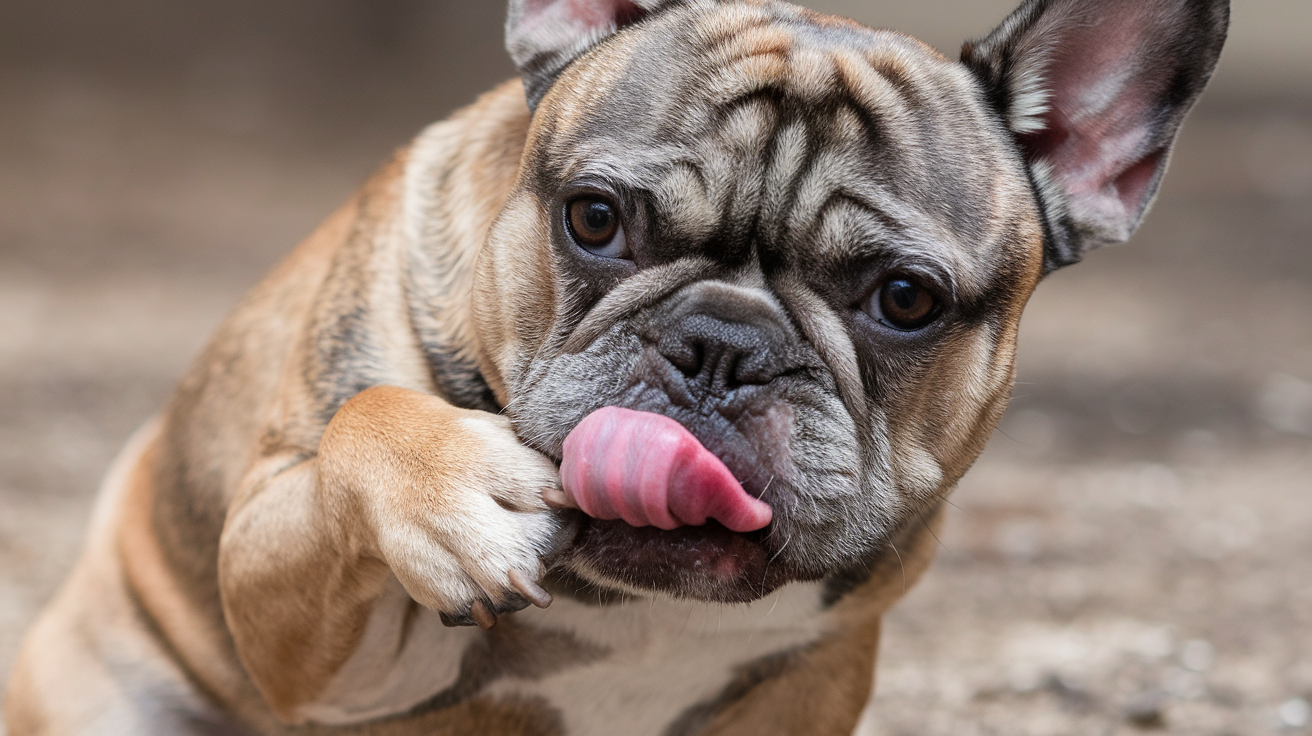


French Bulldogs have that signature short, smooth coat.
And a long-haired French Bulldog, a rare genetic variation that’s been famous across dog communities.
These Frenchies carry the same build, bat ears, and big personality that the breed is known for. The only difference is a single gene that gives them hair that French Bulldogs will never have.
They’re not a separate breed. They’re not a mix. They’re just a version of a bulldog millions of people already love.
What is a Long Hair French Bulldog?
A long-haired Frenchie is a purebred French Bulldog that has a rare recessive gene responsible for its longer, softer hair.
The long coat is caused specifically by the LH gene (Fibroblast Growth Factor 5 mutation).
Unlike the usual short and smooth fur most Frenchies are known for, these have a noticeably fluffier appearance, mostly around their ears, chest, and back.
Despite the difference in coat, they share every other trait with a standard French Bulldog.
The long coat only appears when a puppy inherits the recessive gene from both parents, and it might come as a shock to most people that they’re 100% French Bulldog and not a mixed breed.
Physical Characteristics of a Long-Haired French Bulldog
A long-haired French Bulldog looks like a normal Frenchie.
What creates a difference is their hair. They carry the same compact, muscular build the breed is known for, but with softer, longer fur.
Size and Weight
They are small but sturdy dogs, built low to the ground with a solid, muscular frame.
- Height: 11 to 13 inches tall.
- Weight: 16 to 28 pounds.
- Build: Compact and heavy for their size.
Coat and Color
Their coat is the defining feature, longer and softer than a typical Frenchie, with feathering around the ears, chest, and legs.
- Coat length: Medium to long, with a silky texture.
- Common colors: Brindle, fawn, cream, pied, blue, and chocolate.
- Texture: Soft and slightly wavy in most cases.
Did you know? Blue and chocolate are considered rare French Bulldog color variants, and they may come with additional health considerations.
Body
Their body structure is identical to a standard French Bulldog, with a few features that make the breed instantly recognizable.
- Head: Large and square with a flat, pushed-in face.
- Ears: Upright bat ears, often with longer fur around the edges.
- Tail: Short and low-set, either straight or screwed.
Personality Traits of Your Long-Haired Frenchie
Long-haired Frenchies may have a fluffy coat, but their personalities are high-maintenance.
These dogs have equal parts of a couch potato and a social butterfly personality. They’re stubbornly charming, hilariously dramatic about the smallest things, and somehow always the center of attention in any room.
Basically, they know they’re cute, and they’re not afraid to use it.
| Trait | Pros | Cons |
|---|---|---|
| Affectionate | Loves cuddles and bonding with family | Can get separation anxiety when left alone |
| Playful | Fun and entertaining to be around | May get overly excited around small children |
| Stubborn | Independent and confident | Can make training a patience game |
| Adaptable | Can live in apartments and small spaces | Low tolerance for extreme heat or cold |
| Social | Friendly with strangers and other pets | May demand constant attention |
| Low Energy | Happy with short walks and indoor play | Prone to weight gain without proper activity |
| Alert | Notices changes in the environment quickly | Can develop a habit of unnecessary barking |
Are Long-Haired French Bulldogs Rare?
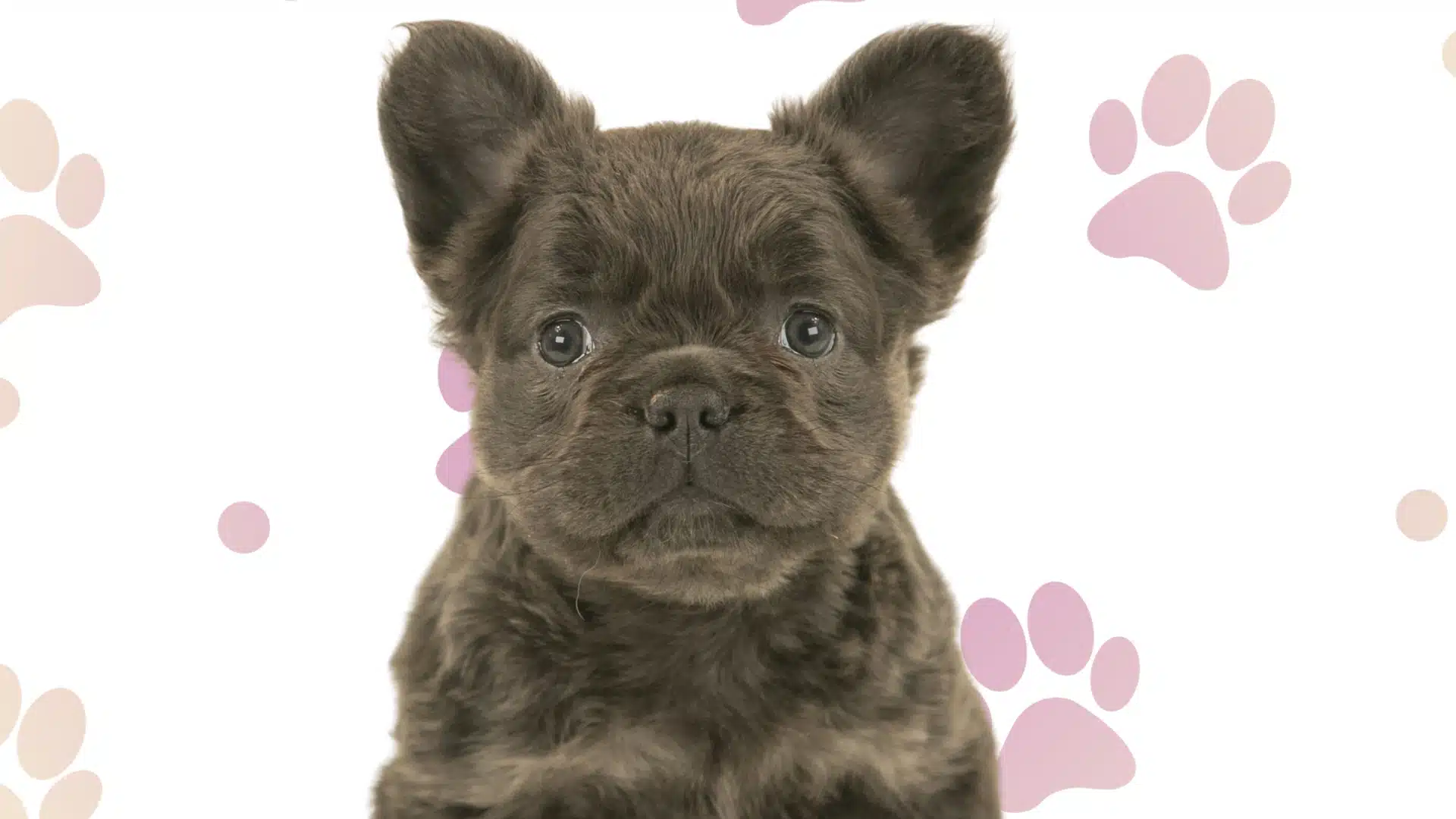
Yes. A long-haired French Bulldog only gets its fluffy coat from the genes of both parents.
That means both the mother and father need to carry this gene without actually showing the trait themselves. And the chances of that lining up are pretty low.
Breeders don’t specifically breed for this coat type, which keeps the numbers low.
When a long-haired puppy does appear, that rarity is a big part of what makes these dogs most expensive and so sought after.
Long Hair French Bulldog Lifespan and Health Details
Long-Haired Frenchies generally live 10 to 14 years, which is the breed standard. Their fluffy coat doesn’t affect their overall health.
Their lifespan is largely affected by genetics, lifestyle, and how well their health issues are managed over time.
Like all French Bulldogs, they have certain health considerations that you should know about.
Common Health Issues
French Bulldogs, as a breed, are prone to certain health conditions, and the long-haired variation goes through the same.
| Health Issue | What It Means |
|---|---|
| Brachycephalic Syndrome | Breathing difficulties due to their flat face structure |
| Hip Dysplasia | Improper hip joint development can cause pain or mobility issues |
| Skin Fold Dermatitis | Irritation and infection in the skin folds around the face |
| Ear Infections | Their ear shape traps moisture and debris easily |
| Spinal Issues | Conditions like IVDD are common in the breed due to their compact build |
| Eye Problems | Prone to cherry eye, cataracts, and general eye irritation |
| Obesity | Low activity levels combined with overeating can lead to weight gain quickly |
How to Take Care of Their Health?
Keeping a long-haired Frenchie healthy is not very complicated, but you can do it easily with the right tricks and tips.
- Schedule regular vet checkups at least once a year.
- Keep their skin folds clean and dry to prevent irritation.
- Avoid intense exercise in hot or humid weather.
- Feed them a balanced diet portioned for small breeds.
- Brush their longer coat a few times a week to prevent matting.
Did you know? IVDD increases when these dogs jump from furniture.
How Easy is it to Have a Long-Haired French Bulldog?
Long-haired French Bulldogs are not high-maintenance when it comes to exercise, but they do need attention, grooming, and a living environment that accommodates their physical limitations.
1. Exercise
Long-haired French Bulldogs are not built for intense physical activity.
- Short daily walks and light indoor play sessions are more than enough.
- Two short walks a day, around 15 to 20 minutes each, help.
Overexertion, especially in hotter weather, can cause serious breathing problems due to their flat face structure.
2. Grooming
And you’ve guessed it right, long-haired Frenchies need it more.
- Brush their coat two to three times a week to prevent tangles and matting.
- Clean skin folds around the face regularly to avoid irritation and infection.
- Trim fur around the ears and paws when it gets too long.
- Bathe them once every 3 to 4 weeks with a gentle dog shampoo.
- Check and clean their ears weekly to reduce the risk of infection.
A slicker brush works better than a bristle brush for their long hair coat.
3. Training and Socialization
Frenchies are smart but very stubborn, so training them requires patience and consistency.
- Positive reinforcement works best with this breed.
- Harsh corrections tend to backfire.
- Starting socialization early helps them grow into well-rounded and confident dogs.
Conclusion
Long-haired French Bulldogs are rare, and they’re ridiculously cute.
But before you commit to one, it is important to know that Frenchies are a little extra.
They need extra grooming, incur some vet bills, and will dramatically collapse on the floor if the walk is two minutes longer than preferred.
But ask any long-haired Frenchie owner, and they’ll tell you it’s worth it.
If a fluffy, bat-eared, perpetually unbothered little dog. These dogs take over the whole couch and somehow still get away with it.
Frequently Asked Questions (FAQs)
1. How Much do Long-Haired French Bulldogs Cost?
Long-haired French Bulldogs cost between $5,000 to $15,000. Their rarity makes them more expensive.
2. Do Frenchies Like Sleeping Under Blankets?
Yes, most Frenchies love burrowing under blankets. They’re comfort-driven dogs that enjoy a comfy spot and a sense of security.
3. Do You Have to Wipe Frenchies After Pooping?
Yes, ideally. Their short, curly tails and skin folds make it hard to stay clean on their own.
4. What Vegetables Can Frenchies Not Eat?
Avoid onions, garlic, leeks, and chives. These are toxic to French Bulldogs and can cause serious digestive issues and red blood cell damage.